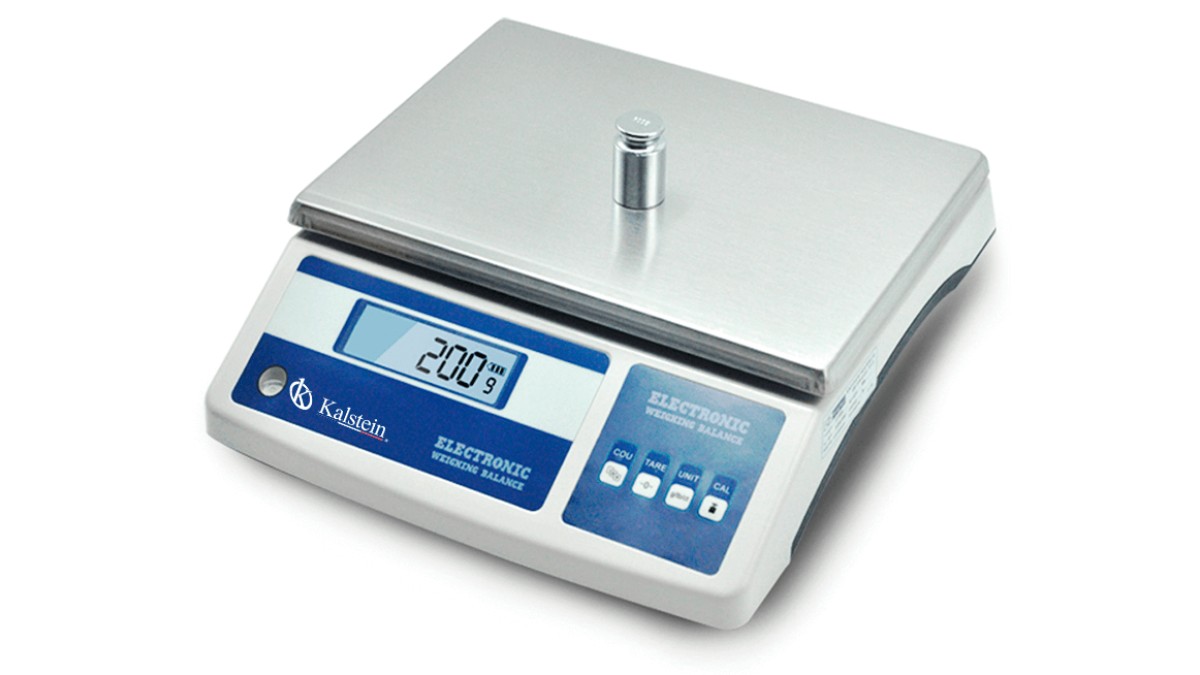
Industrial Balances: Practical Applications and Techniques 2026
Industrial balances are essential tools in various laboratory and industrial settings. As technology advances, understanding their applications, techniques, and best practices becomes crucial for laboratory professionals. This article aims to provide a comprehensive guide on using industrial balances effectively in 2026.
What is it used for in 2026
In 2026, industrial balances are utilized for precise weight measurements in laboratories and industrial environments. They play a vital role in quality control, formulation, and research across various fields, including pharmaceuticals, food production, and environmental testing. Accurate measurements are essential for ensuring product consistency, compliance with regulations, and operational efficiency.
History and evolution of the technology
The evolution of industrial balances dates back to ancient civilizations where simple scales were used for trade and commerce. Over the years, advancements in materials and technology have led to the development of electronic balances, which offer higher precision and ease of use. In recent years, features such as connectivity options, built-in data management, and enhanced user interfaces have made industrial balances more efficient and user-friendly.
How to use it step by step
Using an industrial balance involves several steps to ensure accuracy and reliability:
- Calibration: Before use, ensure the balance is calibrated according to the manufacturer’s specifications.
- Power On: Turn on the balance and allow it to warm up for a few minutes.
- Tare Function: Place a clean container on the balance and use the tare function to zero out the weight of the container.
- Weighing: Slowly add the sample to the container, taking care not to exceed the balance's maximum capacity.
- Reading Measurement: Wait for the reading to stabilize before recording the weight displayed on the screen.
- Clean Up: Clean the balance and the weighing container after use.
Best techniques and protocols
To achieve optimal results when using industrial balances, adhere to the following techniques and protocols:
- Always use the balance on a stable surface to prevent vibrations that can affect accuracy.
- Limit drafts and fluctuations in temperature around the balance.
- Utilize appropriate containers that do not interact with the sample being weighed.
- Employ proper handling techniques to avoid introducing moisture or contaminants.
Practical applications by laboratory type
Different types of laboratories utilize industrial balances in various ways:
- Pharmaceutical Labs: For precise measurements of active ingredients in drug formulations.
- Food Production: To ensure accurate ingredient ratios for consistency in products.
- Environmental Testing: For weighing samples of soil, water, and air pollutants.
- Chemical Research: To weigh chemicals and reagents accurately for experiments.
Regulations, standards and certifications
In 2026, compliance with regulations and standards is crucial for laboratory operation. Industrial balances should meet ISO/IEC 17025 standards for testing and calibration laboratories. Additionally, they must comply with Good Laboratory Practice (GLP) and Good Manufacturing Practice (GMP) guidelines to ensure accuracy and reliability in measurements.
Comparison with alternative technologies
While industrial balances are widely used, there are alternative technologies for weight measurement, such as load cells and pressure sensors. However, these alternatives often lack the precision and ease of use that industrial balances provide, making them less suitable for laboratory environments.
Comparison of available models
| Model | Best for | Key specs | Recommended use case |
|---|---|---|---|
| YR05606 | General laboratory use | Capacity: 11kg, Readability: 1g | Ideal for weighing smaller samples in research settings. |
| YR05607 | Medium sample weighing | Capacity: 16kg, Readability: 1g | Suitable for food production and testing laboratories. |
| YR05608 | Heavy sample weighing | Capacity: 21kg, Readability: 1g | Used in environmental testing for larger samples. |
| YR05609 | Heavy-duty applications | Capacity: 31kg, Readability: 1g | Best for industries requiring high-weight measurements. |
| YR05610 | Precision weighing | Capacity: 5.1kg, Readability: 0.1g | Ideal for pharmaceutical labs needing high accuracy. |
| YR05611 | Laboratory and research | Capacity: 11kg, Readability: 0.1g | Great for academic research requiring precise measurements. |
| YR05612 | Quality control | Capacity: 16kg, Readability: 0.1g | Suitable for manufacturing processes in quality assurance. |
| YR05613 | Laboratory use | Capacity: 21kg, Readability: 0.1g | Effective for various laboratory applications. |
| YR05614 | Industrial applications | Capacity: 26kg, Readability: 0.1g | Best for large-scale industrial operations. |
Common mistakes and how to avoid them
Common mistakes when using industrial balances include:
- Failing to calibrate the balance regularly, leading to inaccurate measurements.
- Using inappropriate containers, which can affect the weight readings.
- Placing the balance on an unstable surface, causing fluctuations in readings.
- Ignoring environmental factors such as temperature and humidity, which can impact accuracy.
Maintenance, calibration and good practices 2026
Maintaining industrial balances is essential for consistent performance:
- Regularly calibrate the balance using standard weights and follow the manufacturer's guidelines.
- Keep the balance clean and dust-free to prevent contamination.
- Store the balance in a controlled environment, away from extreme conditions.
- Perform routine checks and maintenance to ensure longevity and reliability.
Cost-benefit analysis 2026
Investing in industrial balances proves beneficial in the long run due to their precision and reliability. While the initial cost may be high, the return on investment is evident through enhanced accuracy, reduced waste in production, and compliance with regulatory standards. Choosing the right model based on specific laboratory needs can maximize operational efficiency and improve overall results.
Frequently asked questions
What factors should I consider when choosing an industrial balance?
Consider the maximum capacity, readability, and specific applications required for your laboratory. Ensure the balance can meet your precision needs and check for additional features like connectivity and data management options.
How often should I calibrate my industrial balance?
Calibrate your industrial balance at least once a month or more frequently if used in critical applications. Regular calibration ensures accuracy and reliability in measurements.
Can I use any container for weighing samples?
It is best to use containers specifically designed for weighing, as they should not react with the sample or add significant weight that may alter the measurement.
What are the best practices for weighing hygroscopic samples?
To weigh hygroscopic samples, use desiccators to limit moisture absorption and ensure measurements are taken quickly once the sample is placed on the balance.
How do I maintain my industrial balance to ensure longevity?
Regular cleaning, calibration, and storing the balance in a stable environment away from dust and moisture will help maintain its performance and extend its lifespan.
What is the difference between a standard balance and an analytical balance?
Standard balances are suitable for general weighing, while analytical balances provide higher precision and are used for applications requiring extreme accuracy.
How can I request a quote for an industrial balance?
You can easily request a quote by contacting our sales team or visiting our website for more details on our available models.
If you are looking for a fusion of innovation and quality, you have come to the right place. At Kalstein, we offer you the luxury of exploring our exclusive catalog of laboratory equipment. We manufacture every device to the highest standards of excellence. Our intuitive and seamless online purchasing channels are designed for your convenience, securing the most competitive prices. Hesitate no longer — we bring science to life, it is time to become part of our community.