Ice Machines: Practical Applications and Techniques 2026
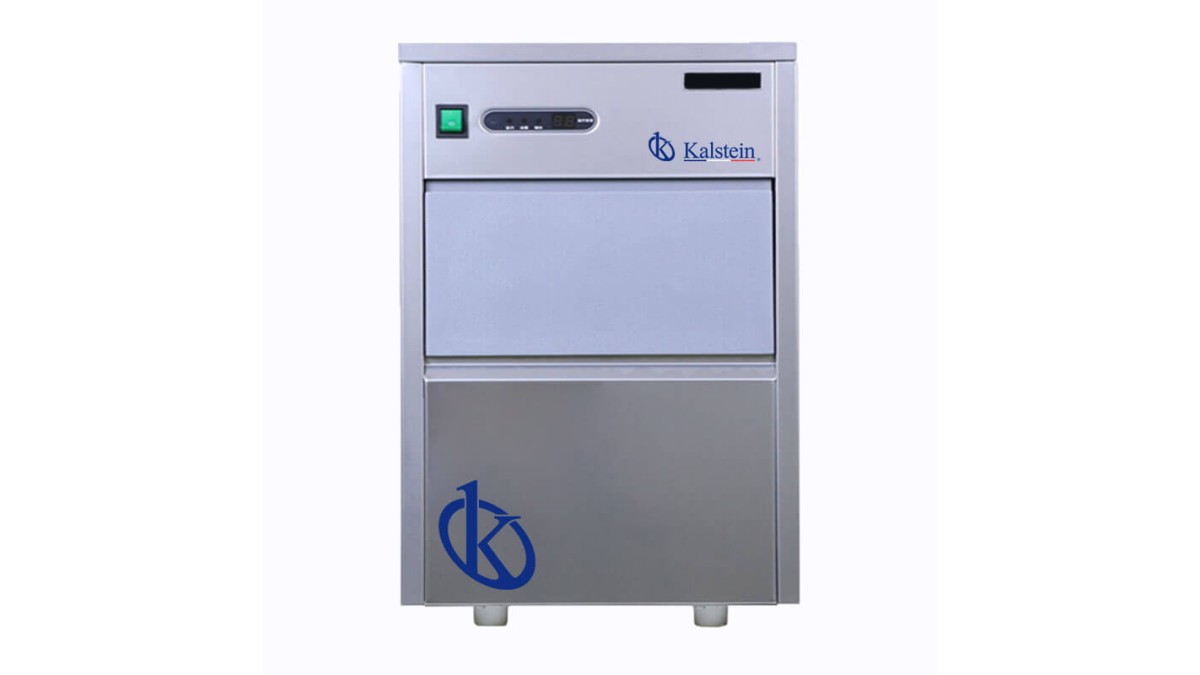
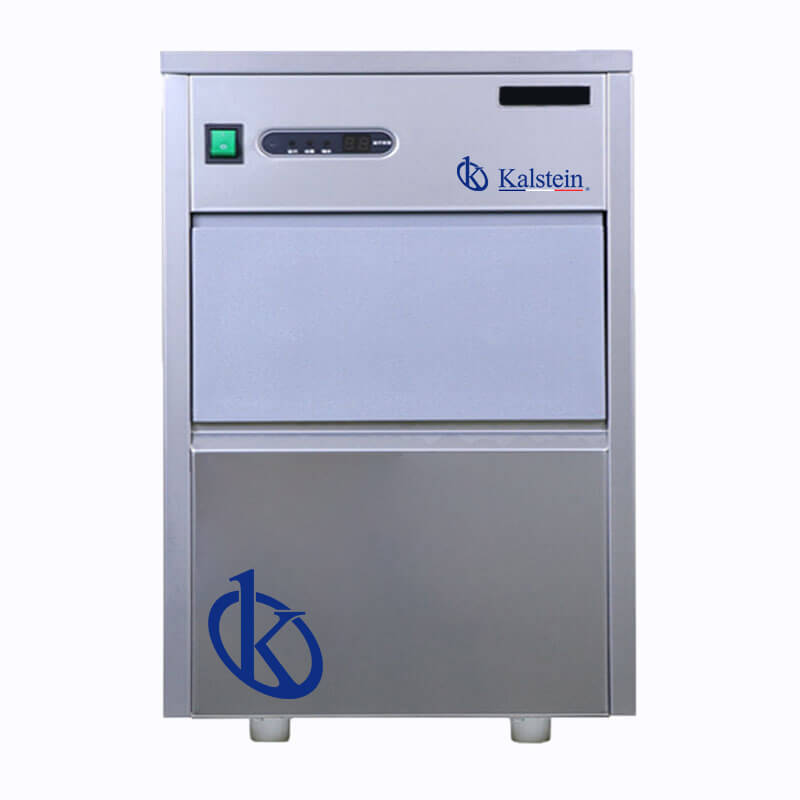
In the fast-evolving world of laboratory environments, ice machines have emerged as indispensable tools across various fields. This article delves into the multifaceted roles of ice machines in 2026, elucidating practical applications, best practices, and innovative techniques for laboratory professionals.
What is it used for in 2026
In 2026, ice machines are primarily utilized in clinical laboratories, research institutions, and educational settings. The main applications include:
- Providing a reliable source of ice for specimen preservation.
- Facilitating temperature-sensitive experiments.
- Cooling reagents and samples during various laboratory procedures.
- Supporting emergency medical services in hospitals.
History and evolution of the technology
The evolution of ice machine technology has seen significant advancements since their inception. Initially, ice was produced manually, which was inefficient and labor-intensive. The introduction of electric refrigeration systems in the mid-20th century revolutionized the process, making ice production faster and more reliable. Over the years, technological advancements have introduced energy-efficient compressors and automated controls, enhancing performance and user convenience.
How to use it step by step
Using an ice machine effectively requires following specific steps to ensure optimal performance:
- Setup: Position the ice machine on a level surface, ensuring adequate ventilation around the unit.
- Water Supply: Connect the machine to a clean water source, ensuring there are no leaks.
- Power On: Plug the machine into an appropriate power outlet and turn it on.
- Select Ice Type: If applicable, select the desired ice type or size from the control panel.
- Monitor Production: Observe the ice production cycle to ensure the unit operates within specified parameters.
- Harvest Ice: Collect the ice from the storage bin regularly to prevent overflow.
- Maintenance: Perform routine checks and maintenance as outlined in the user manual.
Best techniques and protocols
To maximize efficiency and reliability, consider the following techniques and protocols when using ice machines:
- Regularly clean the machine to prevent contamination.
- Utilize ice storage bins to maintain ice quality and prevent melting.
- Implement a standard operating procedure (SOP) for ice production and usage.
- Keep a log of ice production and usage patterns for better inventory management.
Practical applications by laboratory type
Different laboratory types leverage ice machines for various specific needs:
Clinical Laboratories
Used for preserving biological samples and maintaining proper temperatures for reagents.
Research Laboratories
Essential for cooling components in chemical reactions and experiments.
Educational Laboratories
Utilized in teaching environments to demonstrate principles of thermodynamics and chemical reactions.
Hospital Emergency Departments
Critical for managing trauma cases and providing immediate cooling solutions for injuries.
Regulations, standards and certifications
Compliance with safety and health regulations is crucial for ice machines used in laboratories. Key certifications and standards include:
- ISO 9001 for quality management.
- CE marking for compliance with European health, safety, and environmental protection standards.
- NSF certification for food safety and sanitation standards.
Comparison with alternative technologies
While ice machines are widely used, alternative cooling technologies exist, such as:
- Dry Ice: Effective for short-term cooling but has handling risks.
- Refrigerated Cooling Units: More expensive but suitable for long-term applications.
- Cold Packs: Convenient for portable applications but limited in duration.
Comparison of available models
| Model | Best for | Key specs | Recommended use case |
|---|---|---|---|
| YR05130 | School laboratories | 20 Kg/24h, 10 Kg storage | Ideal for small laboratory settings requiring efficient ice production. |
| YR05131 | Medical labs | 30 Kg/24h, 10 Kg storage | Best for medical applications needing quick ice access. |
| YR05132 | Research labs | 40 Kg/24h, 15 Kg storage | Optimal for experiments where larger ice quantities are necessary. |
| YR05133 | Biological labs | 50 Kg/24h, 15 Kg storage | Suitable for high-volume biological sample cooling. |
| YR05134 | Clinical labs | 60 Kg/24h, 25 Kg storage | Excellent for extensive clinical applications needing substantial ice production. |
| YR05135 | Research and clinical labs | 70 Kg/24h, 25 Kg storage | Versatile use for both research and clinical applications. |
Common mistakes and how to avoid them
Laboratory professionals often make common mistakes when using ice machines, such as:
- Neglecting maintenance: Regular cleaning and servicing are essential for longevity.
- Overloading storage: Preventing efficient ice harvest can lead to blockages.
- Ignoring water quality: Using contaminated water can compromise ice quality.
Maintenance, calibration and good practices 2026
For optimal performance, implement the following maintenance practices:
- Inspect and clean the water filter regularly.
- Check and calibrate temperature sensors annually.
- Keep the unit's exterior clean to ensure proper air circulation.
Cost-benefit analysis 2026
When considering the purchase of an ice machine, evaluate:
- Initial Costs: Assess the upfront investment required for different models.
- Operational Costs: Include maintenance, energy consumption, and repair expenses.
- Longevity and Efficiency: Consider the durability and efficiency of the machine over time.
Frequently asked questions
What should I consider when choosing an ice machine?
Consider factors like ice production capacity, storage options, energy efficiency, and the specific needs of your laboratory.
How often should I perform maintenance on my ice machine?
Regular maintenance should be conducted monthly, with thorough servicing every six months to ensure optimal performance.
Can I use tap water in my ice machine?
Yes, but ensure the water is clean and free of contaminants to maintain ice quality.
What are common signs that my ice machine needs servicing?
Signs include reduced ice production, unusual noises, or the presence of contaminants in the ice.
How can I improve the efficiency of my ice machine?
Regular cleaning, proper placement for ventilation, and monitoring water quality can enhance efficiency.
Is it safe to use ice produced by the machine for food applications?
Yes, as long as the ice machine is properly maintained and meets health regulations.
How can I request a quote for an ice machine?
You can reach out to us through our platform to request a personalized quote for our models.
If you are looking for a fusion of innovation and quality, you have come to the right place. At Kalstein, we offer you the luxury of exploring our exclusive catalog of laboratory equipment. We manufacture every device to the highest standards of excellence. Our intuitive and seamless online purchasing channels are designed for your convenience, securing the most competitive prices. Hesitate no longer — we bring science to life, it is time to become part of our community.