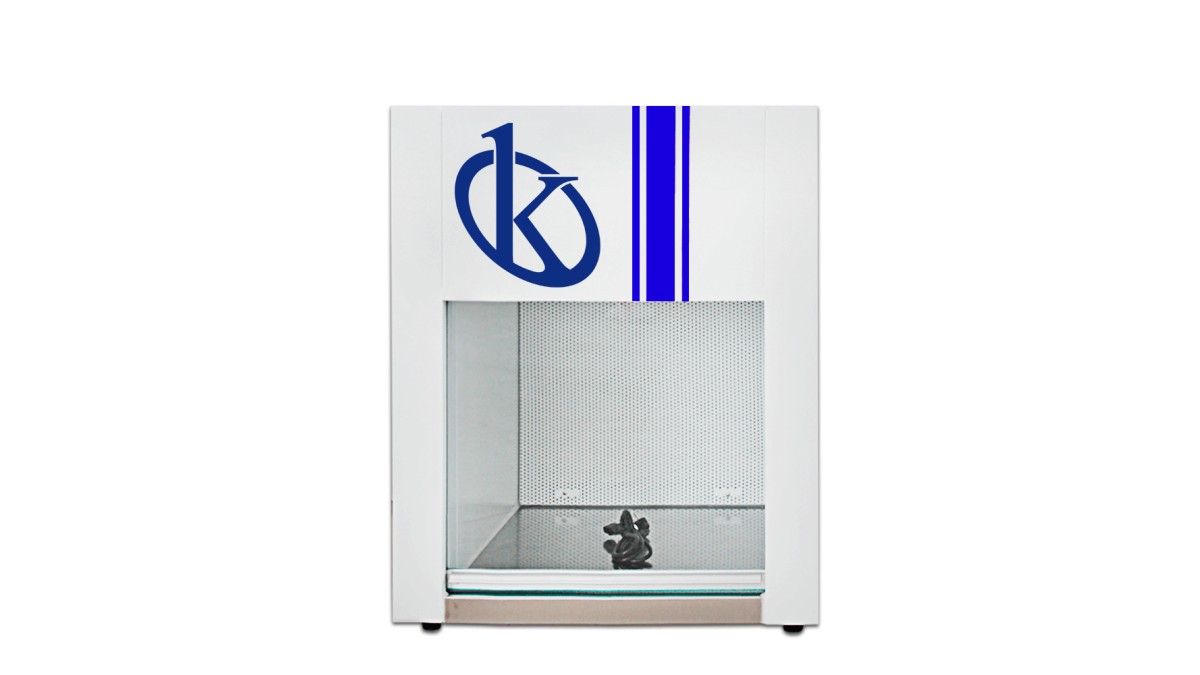
Horizontal Laminar Flow Clean Bench: Common Mistakes and How to Avoid Them in Daily Operations 2026
The Horizontal Laminar Flow Clean Bench is a pivotal piece of equipment in laboratories requiring a sterile environment. These benches are designed to provide a continuous flow of clean, filtered air to protect sensitive operations, ensuring that the integrity of samples and processes is maintained. However, improper handling and operation can lead to significant errors that compromise laboratory results. In this guide, we explore the common mistakes made in using these benches, how to avoid them, and the best practices for achieving optimal performance in 2026.
What is it used for in 2026
In 2026, Horizontal Laminar Flow Clean Benches are widely utilized in various fields such as biomedical research, pharmaceuticals, and clinical laboratories. Their primary function is to provide a sterile work environment for handling sensitive biological samples, cell cultures, and other materials that require protection from contamination. With advancements in technology, these clean benches offer improved airflow systems, enhanced filtration, and user-friendly interfaces, making them invaluable for laboratory professionals aiming for precision and reliability in their work.
History and evolution of the technology
The development of clean bench technology dates back to the mid-20th century, when the need for sterile working environments became apparent in medical and scientific research. Early models offered basic filtration systems, but as technology advanced, so did the effectiveness of air purification methods. Innovations such as HEPA filters and laminar airflow systems revolutionized the clean bench design, allowing for the creation of the Horizontal Laminar Flow Clean Bench. Over the years, these benches have evolved to include features like automated controls, easier maintenance protocols, and enhanced safety measures, solidifying their role in modern laboratories.
How to use it step by step
Using a Horizontal Laminar Flow Clean Bench involves several critical steps to ensure optimal operation and safety:
- Preparation: Before starting, ensure that the workspace is clean and clutter-free. Gather all necessary materials and tools required for the task.
- Power On: Turn on the clean bench and allow it to run for at least 15 minutes to establish proper airflow and filtration.
- Setup: Place all materials that will be used inside the clean bench. Make sure to avoid overcrowding to maintain proper airflow.
- Conduct Work: Perform all laboratory tasks within the clean area, minimizing movement to reduce the risk of contamination.
- Cleanup: After completing the work, carefully remove all materials, and disinfect the work surface to prepare for future use.
- Power Off: Turn off the clean bench and document usage for maintenance logs.
Best techniques and protocols
To maximize the effectiveness of Horizontal Laminar Flow Clean Benches, adhering to best practices and protocols is essential:
- Always wear appropriate personal protective equipment (PPE) when working in a clean bench.
- Utilize aseptic techniques to minimize contamination during sample handling.
- Regularly check and replace HEPA filters according to the manufacturer's recommendations to ensure optimal airflow and filtration.
- Maintain a consistent temperature within the bench to support sample integrity.
- Document all procedures and maintenance activities to ensure compliance with laboratory standards.
Practical applications by laboratory type
Different laboratories utilize Horizontal Laminar Flow Clean Benches based on their unique requirements:
Biological Laboratories
In biological labs, these benches are essential for handling cell cultures, microbiological samples, and genetic materials, providing a sterile environment to prevent contamination.
Pharmaceutical Laboratories
Pharmaceutical labs rely on clean benches for drug formulation and testing, ensuring that products are developed in a controlled environment, free from external contaminants.
Clinical Labs
In clinical laboratories, Horizontal Laminar Flow Clean Benches are used for preparing and handling samples for diagnostic testing, where sterility is crucial for accurate results.
Regulations, standards and certifications
Laboratory professionals must adhere to several regulations and standards when using Horizontal Laminar Flow Clean Benches. These include:
- ISO 14644: Standards that define the classification of air cleanliness in controlled environments.
- FDA regulations for laboratories involved in drug manufacturing and testing.
- Good Manufacturing Practices (GMP) that outline the minimum requirements for manufacturing to ensure quality in production.
- Local and national laboratory safety regulations that govern the operation of clean benches.
Comparison with alternative technologies
When considering clean work environments, several alternatives exist, including:
- Biosafety Cabinets: Designed for handling hazardous materials, providing personnel protection and environmental containment.
- Fume Hoods: Ideal for working with volatile chemicals, providing a contaminated air extraction system.
- Clean Rooms: Larger environments with controlled air quality, often more expensive and complex than clean benches.
The choice between these technologies depends on the specific needs of the laboratory and the materials being handled.
Comparison of available models
| Model | Best for | Key specs | Recommended use case |
|---|---|---|---|
| YR05723 | Cell Culture | Class 100, ≤0.5 particles/plate·hour, 0.25-0.45 m/s airflow | Ideal for small-scale laboratories needing a compact solution. |
| YR05724 | Pharmaceutical Testing | Class 100, ≤0.5 particles/plate·hour, 0.25-0.45 m/s airflow | Suitable for pharmaceutical labs focusing on formulation processes. |
| YR05726 | Research Applications | Class 100, ≤0.5 particles/plate·hour, 0.25-0.45 m/s airflow | Best for research facilities requiring reliable sterile conditions. |
| YR05727 | Medical Labs | Class 100, ≤0.5 particles/plate·hour, 0.25-0.45 m/s airflow | Recommended for clinical settings focused on diagnostic testing. |
| YR05728 | General Laboratory Work | Class 100, ≤0.5 particles/plate·hour, 0.25-0.45 m/s airflow | Versatile option for various laboratory applications. |
| YR05729 | Heavy Usage Applications | Class 100, ≤0.5 particles/plate·hour, 0.25-0.45 m/s airflow | Perfect for labs with high sample throughput and demands. |
Common mistakes and how to avoid them
Laboratory professionals often encounter several mistakes when using Horizontal Laminar Flow Clean Benches. Here are some of the most common errors, along with tips to avoid them:
- Overcrowding the Workspace: Too many items can disrupt airflow. Limit the number of materials to what is necessary for the task.
- Inadequate Preparation: Failing to clean and prepare the workspace can lead to contamination. Always ensure a clean environment before operation.
- Ignoring Maintenance Protocols: Neglecting regular maintenance checks can lead to reduced performance. Follow the manufacturer's guidelines for filter changes and maintenance.
- Improper Use of PPE: Not wearing appropriate gear increases contamination risks. Always don necessary PPE before beginning work.
- Incorrect Airflow Settings: Using incorrect airflow speeds can affect sample safety. Always adhere to recommended airflow rates for specific tasks.
Maintenance, calibration and good practices 2026
Maintaining a Horizontal Laminar Flow Clean Bench is essential for ensuring its effectiveness over time. Key practices include:
- Regularly inspect and replace HEPA filters to maintain air quality.
- Calibrate airflow and lighting systems to ensure they are within specified ranges.
- Document all maintenance activities to keep track of service history.
- Educate all users on proper operation techniques to minimize human error.
- Keep a maintenance log accessible for audits and compliance checks.
Cost-benefit analysis 2026
Investing in a Horizontal Laminar Flow Clean Bench can be financially significant, but the benefits often outweigh the costs. Key considerations in a cost-benefit analysis include:
- Initial Investment: Consider the upfront costs of purchasing and installing the clean bench.
- Operational Efficiency: Evaluate how the clean bench improves workflow efficiency and sample integrity, leading to better research outcomes.
- Long-term Savings: Assess how reduced contamination risks can save money in re-testing and material waste.
- Regulatory Compliance: Ensure that the use of clean benches meets industry standards, potentially avoiding costly fines.
Frequently asked questions
What are the essential features to look for in a Horizontal Laminar Flow Clean Bench?
When selecting a Horizontal Laminar Flow Clean Bench, consider features like HEPA filtration, adjustable airflow settings, dimensions suitable for your workspace, and user-friendly controls for ease of operation.
How often should maintenance be conducted on a clean bench?
Maintenance should typically be performed quarterly or as recommended by the manufacturer. Regular checks on HEPA filters, airflow calibration, and general cleanliness are crucial to ensure optimal performance.
Can a Horizontal Laminar Flow Clean Bench be used for all laboratory applications?
While Horizontal Laminar Flow Clean Benches are versatile, they are primarily designed for non-hazardous materials. For hazardous or volatile substances, alternative technologies such as biosafety cabinets should be used.
What are the consequences of not following proper protocols while using a clean bench?
Failing to follow proper protocols can lead to sample contamination, inaccurate results, and potential regulatory compliance issues, impacting the laboratory's credibility and operations.
Is training necessary for new users of clean benches?
Yes, training is essential for new users to ensure they understand how to operate the bench correctly, follow protocols, and minimize the risk of contamination.
How can I request a quote for a Horizontal Laminar Flow Clean Bench?
You can easily request a quote by visiting our website or contacting our sales team directly for assistance in selecting the right model for your needs.
If you are looking for a fusion of innovation and quality, you have come to the right place. At Kalstein, we offer you the luxury of exploring our exclusive catalog of laboratory equipment. We manufacture every device to the highest standards of excellence. Our intuitive and seamless online purchasing channels are designed for your convenience, securing the most competitive prices. Hesitate no longer — we bring science to life, it is time to become part of our community.