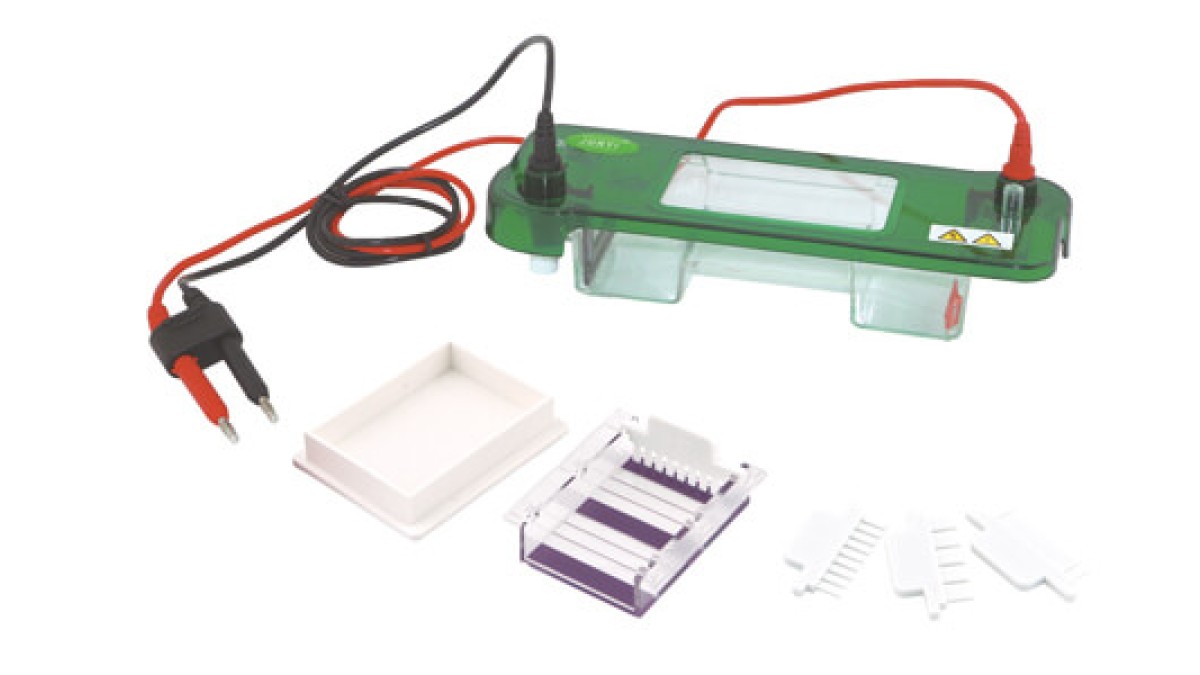
Horizontal Electrophoresis: Common Errors and How to Avoid Them in Daily Operation 2026
What is it used for in 2026
Horizontal electrophoresis is a critical technique used in laboratories to separate biological macromolecules such as DNA, RNA, and proteins based on their size and charge. This method is vital in various applications including genetic research, clinical diagnostics, and biochemical analysis. In 2026, horizontal electrophoresis continues to be the preferred method due to its versatility, efficiency, and ability to handle multiple samples simultaneously.
History and evolution of the technology
Horizontal electrophoresis has evolved significantly since its inception. Initially, it was developed for the separation of proteins, but advances in technology have expanded its applications to nucleic acids. The introduction of agarose gels and advancements in electrical systems have improved resolution and reproducibility, making the technique more robust and user-friendly.
How to use it step by step
Using horizontal electrophoresis involves several key steps:
- Preparation of Agarose Gel: Dissolve agarose in buffer to create a gel matrix. Ensure the concentration of agarose is appropriate for the size of the molecules being separated.
- Casting the Gel: Pour the agarose solution into a gel cast and insert the comb to create wells for sample loading. Allow the gel to solidify.
- Sample Preparation: Mix samples with loading dye to visualize migration and enhance density.
- Loading the Gel: Remove the comb gently and load samples into the wells using a micropipette.
- Running the Electrophoresis: Connect the gel apparatus to the power supply, ensuring the correct orientation of the electrodes. Set the voltage and run the gel for an appropriate time.
- Staining and Visualization: After running, stain the gel with a suitable dye (e.g., Ethidium bromide for DNA) and visualize under UV light or using a gel documentation system.
Best techniques and protocols
Best practices in horizontal electrophoresis include using freshly prepared agarose gels, optimizing buffer conditions, and ensuring proper loading of samples. It is also crucial to maintain consistent voltage and running times to achieve reproducible results. Regular calibration of equipment and following laboratory safety protocols are essential for effective and safe operation.
Practical applications by laboratory type
Different laboratories use horizontal electrophoresis for various applications:
- Clinical Laboratories: Used for DNA fingerprinting and diagnostic tests.
- Research Laboratories: Key in genetic research and molecular cloning.
- Educational Institutions: Commonly used in teaching laboratories for instructional purposes.
Regulations, standards and certifications
Horizontal electrophoresis systems must comply with laboratory safety standards and regulations, including those set by the Occupational Safety and Health Administration (OSHA) and the Environmental Protection Agency (EPA). Certifications such as ISO 13485 may also apply for quality management systems in laboratory equipment manufacturing.
Comparison with alternative technologies
While horizontal electrophoresis remains popular, alternative methods such as capillary electrophoresis and two-dimensional gel electrophoresis are also in use. Capillary electrophoresis offers higher resolution and faster analysis, but may not be suitable for large-scale sample processing like horizontal systems.
Comparison of available models
| Model | Best for | Key specs | Recommended use case |
|---|---|---|---|
| YR03415 | Small sample volumes | Dimensions: 250x90x50mm, Weight: 0.4Kg, Price: $81.00 | Ideal for introductory experiments in DNA electrophoresis. |
| YR03416 | Medium sample volumes | Dimensions: 365x105x55mm, Weight: 0.6Kg, Price: $136.80 | Suitable for more advanced applications with moderate throughput. |
| YR03417 | Diverse gel sizes | Dimensions: 300x160x75mm, Weight: 1.1Kg, Price: $183.00 | Best for labs requiring flexibility in gel dimensions. |
| YR03418 | High sample throughput | Dimensions: 390x187x63mm, Weight: 2.0Kg, Price: $201.00 | Great for high-volume labs analyzing multiple samples. |
| YR03419 | Versatile applications | Dimensions: 305x152x80mm, Weight: 1.7Kg, Price: $201.00 | Perfect for labs with varied electrophoresis needs. |
| YR03420 | Large scale experiments | Dimensions: 397x230x93mm, Weight: 3.3Kg, Price: $330.60 | Designed for extensive research projects requiring large sample sizes. |
Common mistakes and how to avoid them
Common errors in horizontal electrophoresis include:
- Improper gel concentration: Always choose the right agarose concentration based on the size of the molecules.
- Inconsistent sample loading: Use a micropipette carefully to avoid cross-contamination or overloading wells.
- Incorrect buffer system: Ensure the buffer matches the samples for optimal separation.
- Neglecting safety protocols: Always wear appropriate personal protective equipment (PPE) during operation.
Maintenance, calibration and good practices 2026
Regular maintenance of horizontal electrophoresis units is essential for longevity and accuracy. This includes cleaning the gel tanks after each use, calibrating power supplies periodically, and checking for wear and tear on electrodes. Good laboratory practices should also involve documenting results and maintaining organized records of experiments.
Cost-benefit analysis 2026
Investing in horizontal electrophoresis models can offer significant benefits in terms of productivity and precision. While initial costs vary by model, the versatility and reliability of these systems often lead to lower long-term operational costs and increased research output. Careful consideration of laboratory needs will aid in selecting the most cost-effective model.
Frequently asked questions
What are the key considerations when selecting a horizontal electrophoresis model?
Consider the sample volume, gel size, and throughput requirements. Evaluate the compatibility with your specific applications and the ease of use based on your laboratory's expertise.
How often should I replace the agarose gel?
Agarose gel should be replaced after each experiment to maintain precision and avoid contamination. Regularly check for any gel degradation that may affect results.
What are the best practices for loading samples?
Use a micropipette to ensure accurate loading. Avoid touching the sides of the wells and consider pre-loading practice with colored dyes to improve technique.
How can I ensure reproducibility in my experiments?
Maintain consistent sample preparation, gel concentration, and running conditions. Document all protocols and conditions to replicate experiments accurately.
What safety measures should I follow when using electrophoresis equipment?
Always wear gloves and safety goggles. Handle chemicals and gels, especially those containing ethidium bromide, with care and dispose of waste following your institution's safety protocols.
Can I use different buffers for electrophoresis?
Yes, different buffers can be used depending on the type of samples and the desired separation. Ensure the buffer is compatible with the gel and sample types to achieve optimal results.
How do I request a quote for a horizontal electrophoresis model?
You can request a quote directly through our sales channel, where our team is ready to assist you with your specific needs and ensure you find the right equipment.
If you are looking for a fusion of innovation and quality, you have come to the right place. At Kalstein, we offer you the luxury of exploring our exclusive catalog of laboratory equipment. We manufacture every device to the highest standards of excellence. Our intuitive and seamless online purchasing channels are designed for your convenience, securing the most competitive prices. Hesitate no longer — we bring science to life, it is time to become part of our community.