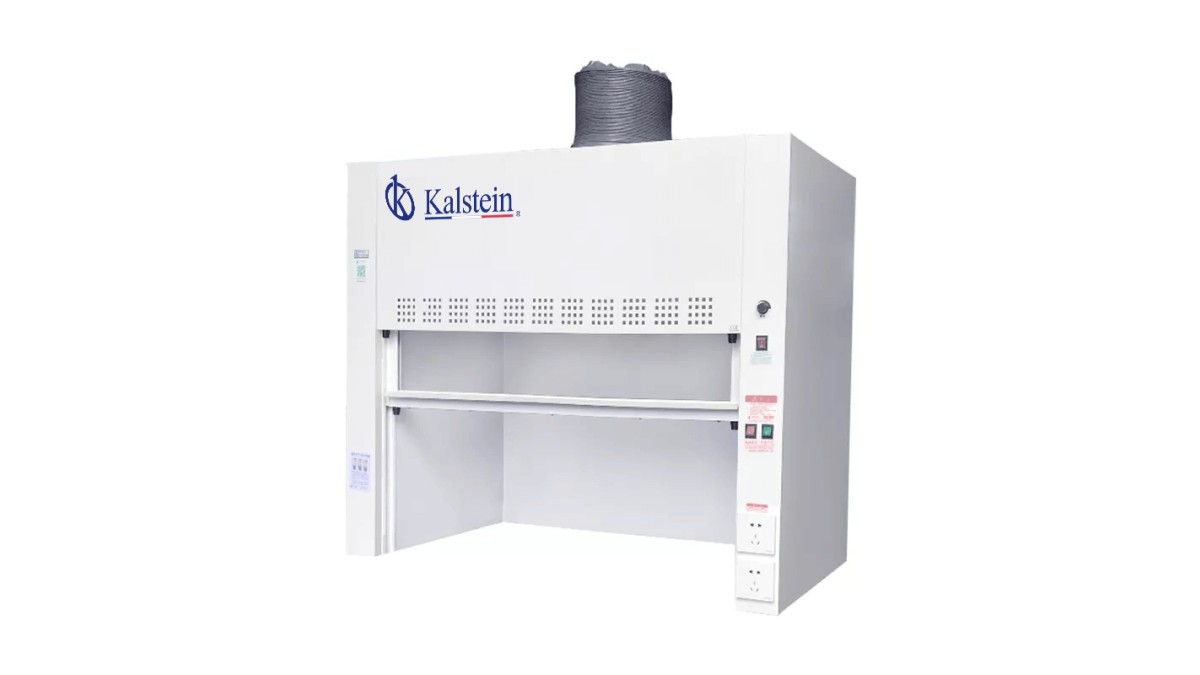
Fume Hood Cabinets: A Practical Step-by-Step Guide for 2026
In laboratory settings, safety is paramount, and fume hood cabinets play a crucial role in maintaining a safe working environment. This guide aims to help laboratory professionals understand the applications, techniques, and best practices for using fume hood cabinets effectively in 2026.
What is it used for in 2026
Fume hood cabinets are essential for protecting laboratory personnel from harmful fumes, vapors, or dust generated during experiments. They create a controlled environment where hazardous substances can be handled safely. In 2026, the applications of fume hood cabinets have expanded to include:
- Chemical handling and storage.
- Ventilation of toxic gases.
- Containment during volatile reactions.
- Protection from chemical spills.
History and evolution of the technology
The concept of fume hoods dates back to the early 20th century when the need for safe chemical handling became increasingly recognized. Over the decades, advancements in materials and technology led to the development of more efficient and durable designs. The introduction of epoxy-coated steel in the late 20th century provided enhanced resistance to corrosion, making fume hoods suitable for a broader range of chemicals.
How to use it step by step
Using a fume hood cabinet requires attention to detail to ensure optimal safety and efficiency. Follow these steps:
- Check the fume hood for any signs of damage or wear.
- Ensure the sash is at the correct height before starting work (ideally between 16-20 inches).
- Turn on the fume hood fan to establish airflow.
- Conduct all experiments and chemical handling inside the hood.
- Position materials and equipment to maximize airflow around them.
- After completing work, ensure all chemicals are sealed and the sash is returned to its original position.
Best techniques and protocols
To enhance the effectiveness of fume hood cabinets, implement the following techniques and protocols:
- Regularly maintain and inspect the fume hood to ensure optimal functionality.
- Train all laboratory personnel on proper fume hood usage.
- Monitor airflow regularly using a hood flow test.
- Keep the work area clutter-free to maintain adequate airflow.
Practical applications by laboratory type
Fume hood cabinets have diverse applications across different laboratory types:
- Chemical Laboratories: Ideal for conducting reactions involving hazardous substances.
- Biological Laboratories: Protects against potential biohazards during manipulation of infectious agents.
- Research Facilities: Facilitates experimental setups that require controlled environments.
- Pharmaceutical Laboratories: Ensures safe handling of volatile compounds during drug formulation processes.
Regulations, standards and certifications
Compliance with regulations and standards is vital for laboratory safety. Key standards include:
- OSHA (Occupational Safety and Health Administration) regulations for safe handling of chemicals.
- ANSI/AIHA Z9.5 for laboratory ventilation standards.
- NFPA (National Fire Protection Association) guidelines to minimize fire risks.
Comparison with alternative technologies
While fume hood cabinets are a popular choice for laboratory safety, alternative technologies exist:
- Biological Safety Cabinets: Designed specifically for biological hazards rather than chemical fumes.
- Local Exhaust Ventilation (LEV): Effective for point-source extraction but less comprehensive than fume hoods.
Comparison of available models
| Model | Best for | Key specs | Recommended use case |
|---|---|---|---|
| YR05808 | Small scale laboratory work | External Size: 650x650x1000 mm, Price: $390.00 | Ideal for basic chemical handling. |
| YR05809 | Medium scale laboratory work | External Size: 800x650x1000 mm, Price: $420.00 | Suitable for moderate chemical manipulation. |
| YR05810 | Versatile laboratory settings | External Size: 1000x650x1000 mm, Price: $470.00 | Best for varied applications with different chemicals. |
| YR05811 | Advanced laboratory needs | External Size: 1000x650x1000 mm, Price: $508.00 | Recommended for complex experiments. |
| YR05812 | High-traffic laboratories | External Size: 1500x650x1000 mm, Price: $526.00 | Ideal for multiple users and high volume work. |
| YR05813 | Large laboratory environments | External Size: 800x650x1900 mm, Price: $610.00 | Best suited for extensive chemical processing. |
Common mistakes and how to avoid them
Laboratory professionals often make mistakes that compromise safety. Common errors include:
- Neglecting regular maintenance checks.
- Overloading the fume hood with excessive equipment.
- Ignoring airflow indicators.
- Using the fume hood for storage instead of active work.
Maintenance, calibration and good practices 2026
To ensure longevity and effectiveness, the following maintenance practices are recommended:
- Conduct routine inspections for any signs of damage.
- Calibrate airflow systems at least once a year.
- Keep the sash clean and ensure it operates smoothly.
- Document maintenance procedures for compliance and safety audits.
Cost-benefit analysis 2026
The investment in fume hood cabinets can lead to significant cost savings in the long run due to:
- Reduced risk of hazardous incidents.
- Compliance with safety regulations to avoid fines.
- Protection of expensive laboratory equipment and materials.
Frequently asked questions
What is the best way to choose a fume hood cabinet for my laboratory?
Consider the specific applications, the size of your laboratory, and the types of chemicals you will be using. Evaluate the airflow requirements and select a model that meets those needs.
How often should I perform maintenance on my fume hood?
Regular maintenance should be conducted at least once a year, with additional checks before any significant usage periods.
Can I use my fume hood for storage?
No, fume hoods should not be used as storage areas. They are designed for active work only to ensure safety.
How can I ensure my fume hood is operating correctly?
Regularly check the airflow indicator and conduct a hood flow test to confirm it is functioning properly.
What should I do if my fume hood is not providing sufficient airflow?
If you notice insufficient airflow, stop using the hood immediately and contact maintenance to troubleshoot the issue.
Are there specific regulations I need to follow when using a fume hood?
Yes, you must comply with OSHA and ANSI standards, among others, to ensure safe operation of your fume hood.
How can I request a quote for a fume hood cabinet?
You can request a quote through our online platform, where you can choose the model that best fits your laboratory needs.
If you are looking for a fusion of innovation and quality, you have come to the right place. At Kalstein, we offer you the luxury of exploring our exclusive catalog of laboratory equipment. We manufacture every device to the highest standards of excellence. Our intuitive and seamless online purchasing channels are designed for your convenience, securing the most competitive prices. Hesitate no longer — we bring science to life, it is time to become part of our community.