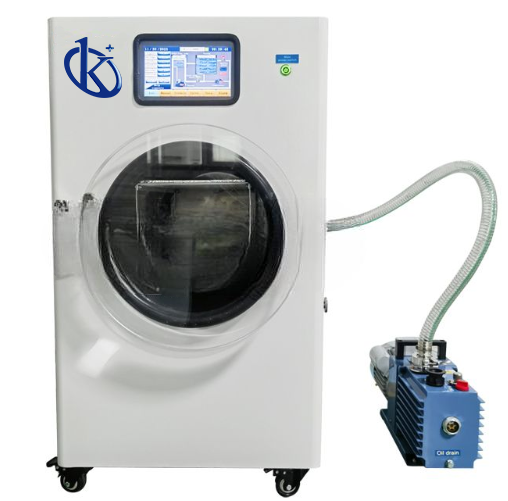
How Food Freeze Dryers Integrate with LIMS for Efficient Data Management
In laboratory environments, the integration of Food Freeze Dryers with Laboratory Information Management Systems (LIMS) has become a critical component for ensuring efficient data management and operational efficiency. This article explores best practices, model comparisons, and the overall benefits of such integration.
Understanding the Role of LIMS in Food Freeze Drying
A Laboratory Information Management System (LIMS) is essential for laboratories handling large volumes of samples, providing capabilities for tracking and managing data across various processes. In the context of food freeze drying, LIMS integration allows for seamless data flow, facilitating better tracking of the freeze-drying process, quality control, and compliance with industry standards. By digitizing data management, laboratories can increase productivity and reduce errors.
Benefits of Integrating Food Freeze Dryers with LIMS
Integrating Food Freeze Dryers with LIMS offers numerous benefits:
- Improved Data Accuracy: Automatic data entry reduces the risk of human error, ensuring that all data is accurate and reliable.
- Streamlined Workflow: Enhanced connectivity between equipment and software allows for real-time monitoring of the freeze-drying process.
- Traceability: Integration supports compliance with regulations by providing a clear audit trail of all processes and results.
- Enhanced Reporting: LIMS provides advanced reporting tools that help in analyzing data trends over time.
Comparison of Available Models
| Model | Capacity (kg) | Area (m²) | Temperature Range (°C) | Best for |
|---|---|---|---|---|
| YR05984 | 4-6 | 0.4 | -25 to +60 | Small-scale operations |
| YR05983 | 1-2 | 0.1 | -25 to +60 | Home users |
| YR05985 | 6-8 | 0.6 | -25 to +60 | Fruit and vegetable applications |
| YR06612 | 500 | 52.92 | ≤-50 | Large-scale production |
Common Mistakes and How to Avoid Them
When integrating Food Freeze Dryers with LIMS, there are common pitfalls that laboratories may encounter:
- Inadequate Training: Ensure that staff are adequately trained on both the freeze dryer and the LIMS to avoid operational errors.
- Poor Interface Planning: Properly assess the connectivity and data flow needs to avoid data silos within the system.
- Neglecting Compliance Standards: Always align LIMS integration with compliance standards relevant to the food industry.
Essential Connectivity Protocols for Successful Integration
Choosing the right connectivity protocols is crucial for integrating Food Freeze Dryers with LIMS. Common protocols include:
- HL7: Used for healthcare data exchange, suitable for food safety compliance.
- REST API: Enables real-time data access and interaction with applications.
- ASTM Standards: Facilitates standardized data formats to ensure compatibility with various systems.
Implementation of a Data Management Strategy
To maximize the impact of LIMS integration, laboratories must develop a clear data management strategy. This includes:
- Defining Data Types: Identify which data sets are essential for operational efficiency and compliance.
- Standardizing Workflows: Create standardized operating procedures that align with both the freeze dryer functionalities and LIMS capabilities.
- Regular Auditing: Schedule regular audits to ensure data integrity and compliance with industry regulations.
Frequently Asked Questions
How can I integrate Food Freeze Dryers with LIMS for better data management?
Integrating Food Freeze Dryers, like the YR05984, with LIMS streamlines data management through automatic data entry and real-time monitoring. This enables better quality control and compliance with regulations.
What are the best practices for using a LIMS with Food Freeze Dryers?
Best practices include training staff on the systems, defining clear data management strategies, and ensuring that the protocols align with the specific application of the freeze dryer, such as the YR06612 model.
Which Food Freeze Dryer model is most suitable for small-scale operations with LIMS?
The YR05984 model is ideal for small-scale operations as it offers a capacity of 4-6 kg and integrates well with LIMS for efficient data tracking.
What connectivity protocols should I consider for LIMS integration with Food Freeze Dryers?
Protocols like HL7 and REST API are critical for ensuring effective communication between Food Freeze Dryers and LIMS, enabling smooth data exchange.
How does LIMS integration improve compliance in food freeze drying?
LIMS integration ensures that all processes are documented and traceable, which is essential for compliance with food safety regulations. Using models like YR06612 facilitates this documentation process.
What are the potential challenges in integrating Food Freeze Dryers with LIMS?
Challenges include inadequate staff training, poor planning of interface connectivity, and neglecting compliance standards. Proper planning and training can mitigate these issues.
How does LIMS help in optimizing the productivity of Food Freeze Dryers?
LIMS enhances productivity by providing real-time data access, streamlining workflows, and reducing errors through automation, especially with models like YR05985.
What features should I look for in a Food Freeze Dryer for LIMS integration?
Look for compatibility with connectivity protocols, data tracking capabilities, and ease of integration. The YR06612 model offers advanced features suitable for large-scale operations.
If you are looking for a fusion of innovation and quality, you have come to the right place. At Kalstein, we offer you the luxury of exploring our exclusive catalog of laboratory equipment. We manufacture every device to the highest standards of excellence. Our intuitive and seamless online purchasing channels are designed for your convenience, securing the most competitive prices. Hesitate no longer — we bring science to life, it is time to become part of our community.