Explosion-proof Cabinets: Practical Applications and Techniques 2026
What is it used for in 2026
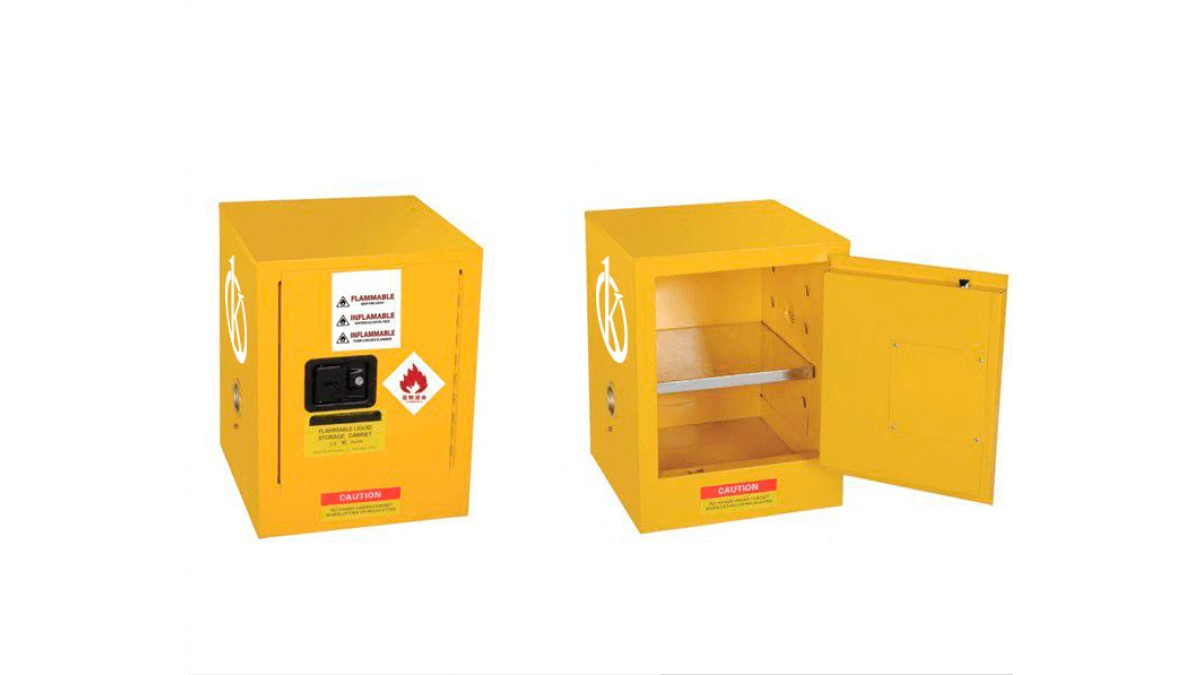
Explosion-proof cabinets are designed to safely store flammable and hazardous materials in laboratory environments. In 2026, these cabinets play a critical role in ensuring safety by minimizing the risk of fire and explosions caused by chemical reactions or accidental spills. They are utilized in laboratories where volatile substances such as solvents, aerosols, and chemicals are handled, allowing for safe containment and organization of these materials. Proper usage of these cabinets can effectively reduce workplace hazards and improve compliance with safety regulations.
History and evolution of the technology
The concept of explosion-proof storage dates back several decades, evolving from the need for safe storage in industries handling hazardous materials. Over the years, advancements in materials and designs have led to the development of robust explosion-proof cabinets that offer enhanced safety features, such as double-locking mechanisms, solid three-point locking systems, and electrostatic grounding. These innovations have made them a staple in modern laboratories that require stringent safety protocols for hazardous materials storage. Today, explosion-proof cabinets are available in various sizes, materials, and configurations, making them adaptable to a wide range of laboratory needs.
How to use it step by step
Using an explosion-proof cabinet effectively involves several critical steps:
- Choose the right cabinet: Select an explosion-proof cabinet suitable for the specific materials you need to store. Consider factors such as size, capacity, and compatibility with your hazardous materials.
- Install the cabinet: Place the cabinet in a designated area that is easily accessible. Ensure it is level and secure to prevent tipping or instability.
- Organize materials: Store only compatible materials together to prevent reactions. Clearly label each container and ensure they are properly sealed.
- Lock the cabinet: Utilize the cabinet's locking mechanism to secure hazardous materials when not in use, ensuring unauthorized access is prevented.
- Regular maintenance: Periodically check the cabinet for any signs of wear, damage, or malfunction. Ensure locking mechanisms work properly and that the cabinet remains clean and uncluttered.
Best techniques and protocols
To maximize the effectiveness of explosion-proof cabinets, follow these best practices:
- Conduct regular training for laboratory personnel on the proper use and importance of explosion-proof cabinets.
- Implement a labeling system to clearly identify the contents of each shelf or compartment within the cabinet.
- Ensure all containers are compatible with each other and follow manufacturer guidelines for storage.
- Document all hazardous materials stored in the cabinets for inventory and compliance tracking.
- Perform fire drills and safety audits to ensure staff are prepared for emergencies.
Practical applications by laboratory type
Explosion-proof cabinets are widely used across various types of laboratories, including:
- Chemical laboratories: Storing flammable solvents and reagents safely.
- Biological labs: Containing hazardous biological materials that may pose safety risks.
- Pharmaceutical labs: Storing volatile compounds and drug formulations securely.
- Industrial labs: Providing safe storage for chemicals used in manufacturing processes.
Regulations, standards and certifications
Explosion-proof cabinets must comply with various safety regulations and standards, which in 2026 include:
- OSHA (Occupational Safety and Health Administration) guidelines for chemical storage.
- NFPA (National Fire Protection Association) standards for flammable and combustible liquids.
- Local environmental regulations concerning the storage of hazardous materials.
- ISO (International Organization for Standardization) certifications that ensure the quality and safety of cabinets.
Comparison with alternative technologies
While explosion-proof cabinets are essential in many laboratories, alternative storage solutions exist. These include:
- Flammable storage lockers: Generally provide less protection than explosion-proof cabinets but are suitable for less hazardous materials.
- Refrigerated storage: Used for certain chemicals that require low temperatures but do not offer explosion protection.
- Chemical containment stations: Allow for immediate containment of spills but may lack the security features of explosion-proof cabinets.
Comparison of available models
| Model | Best for | Key specs | Recommended use case |
|---|---|---|---|
| YR05464-1 | Flammable liquids | Weight: 21 kg, Volume: 2 GAL / 7 L | Ideal for small labs handling limited quantities of flammable liquids. |
| YR05464-2 | Flammable liquids | Weight: 21 kg, Volume: 2 GAL / 7 L | Best for labs needing a secondary unit for additional storage of flammable materials. |
| YR05465 | Flammable liquids | Weight: 21 kg, Volume: 2 GAL / 7 L | Suitable for larger storage needs within chemical handling labs. |
| YR05465-1 | Flammable liquids | Weight: 21 kg, Volume: 2 GAL / 7 L | Perfect for labs that require redundant safety measures for flammable materials. |
| YR05465-2 | Flammable liquids | Weight: 21 kg, Volume: 2 GAL / 7 L | Good for high-traffic labs needing multiple storage options for hazardous materials. |
| YR05464 | Flammable liquids | Weight: 21 kg, Volume: 2 GAL / 7 L | Suited for basic storage of flammable liquids in small laboratories. |
Common mistakes and how to avoid them
To ensure the safe use of explosion-proof cabinets, laboratories should avoid the following common mistakes:
- Not adhering to storage guidelines for hazardous materials, which can lead to dangerous reactions.
- Overloading the cabinets beyond their capacity, compromising their structural integrity.
- Failing to keep cabinets locked when not in use, increasing the risk of unauthorized access.
- Neglecting routine maintenance checks that could reveal potential safety issues.
Maintenance, calibration and good practices 2026
Maintaining explosion-proof cabinets involves regular inspections and proactive care:
- Verify that all locking mechanisms function correctly and that cabinets are not damaged or rusted.
- Clean the interior and exterior surfaces to prevent contamination and ensure visibility of labels.
- Train staff on proper usage and encourage a culture of safety around hazardous materials.
- Document maintenance activities and any incidents to track compliance with safety protocols.
Cost-benefit analysis 2026
Investing in explosion-proof cabinets provides significant benefits, such as:
- Reduced risk of workplace accidents, leading to lower insurance premiums.
- Enhanced laboratory safety, promoting a healthier work environment.
- Compliance with safety regulations, which can help avoid costly fines.
- Increased productivity by providing organized and reliable storage solutions for hazardous materials.
Frequently asked questions
What materials can be stored in explosion-proof cabinets?
Explosion-proof cabinets are ideal for storing flammable liquids, aerosols, and hazardous chemicals. It is crucial to ensure that the materials are compatible with one another and follow the manufacturer's guidelines.
How often should explosion-proof cabinets be inspected?
Cabinets should be inspected regularly, ideally quarterly, to ensure that they are in good condition and that all safety features are functioning correctly. Routine maintenance is vital for safety compliance.
Can I store non-flammable materials in these cabinets?
While explosion-proof cabinets are specifically designed for flammable materials, non-flammable items can be stored if there is a compelling safety reason. However, it is generally better to use standard storage solutions for non-flammable materials.
What should I do if a chemical spill occurs?
In the event of a chemical spill, follow your laboratory's emergency protocols, which typically include evacuating the area, using appropriate personal protective equipment (PPE), and containing the spill as much as possible before reporting to a supervisor.
How do I choose the right size of cabinet?
Choose a cabinet size based on the volume of materials you need to store. Consider the frequency of access and the number of different chemicals to ensure that the cabinet can accommodate everything safely while remaining compliant with regulations.
Is training required for using explosion-proof cabinets?
Yes, training is essential to ensure that all laboratory personnel understand how to properly use explosion-proof cabinets, recognize hazards, and maintain safety protocols in the lab.
Where can I find more information about explosion-proof cabinets?
For more detailed information and specifications on explosion-proof cabinets, request a quote or consult with suppliers who specialize in laboratory safety equipment.
If you are looking for a fusion of innovation and quality, you have come to the right place. At Kalstein, we offer you the luxury of exploring our exclusive catalog of laboratory equipment. We manufacture every device to the highest standards of excellence. Our intuitive and seamless online purchasing channels are designed for your convenience, securing the most competitive prices. Hesitate no longer — we bring science to life, it is time to become part of our community.