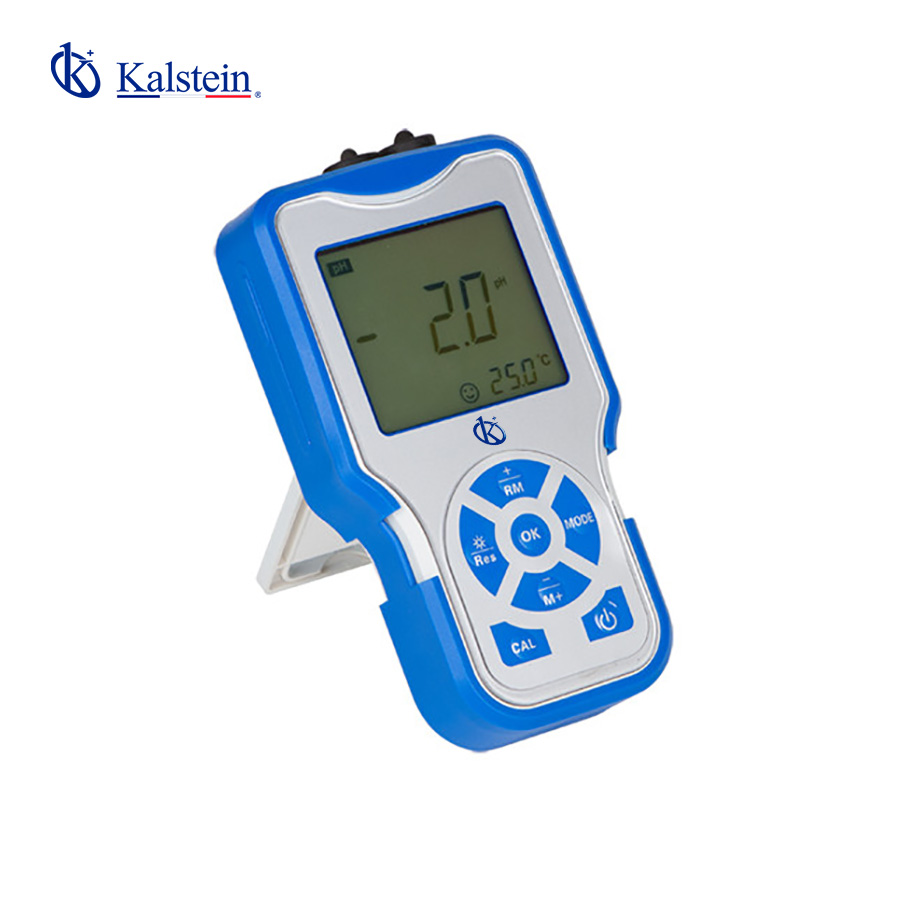
How to Evaluate Cost-Benefit and ROI for Portable Ion Meters
In laboratory settings, the decision to invest in Portable Ion Meters is often influenced by cost-benefit considerations and return on investment (ROI) metrics. As these devices become critical for accurate pH and ion concentration measurements across various applications, understanding their financial implications is essential for laboratory professionals. This article is dedicated to examining the cost-benefit analysis for Portable Ion Meters, comparing different models, and providing insights to maximize ROI.
Understanding Cost-Benefit Analysis in Laboratory Investments
Cost-benefit analysis is a systematic approach to estimating the strengths and weaknesses of alternatives. It helps laboratory managers assess the viability of various Portable Ion Meters against their specific needs. The primary components of this analysis include:
- Initial Costs: The purchase price of the ion meters, including any necessary accessories.
- Operational Costs: Ongoing costs related to maintenance, calibration, and consumables.
- Performance Benefits: The accuracy and reliability of measurements that contribute to lab efficiency.
- Time Savings: The time saved in testing and analysis that can lead to increased throughput.
Through this lens, laboratories can make informed choices about their equipment investments.
Comparison of Available Models
| Model | Initial Cost (USD) | Operating Cost (Annual) | Payback Period (Months) | Best For |
|---|---|---|---|---|
| YR01816 | 94.00 | 20.00 | 6 | Basic laboratory measurements |
| YR01817-1 | 229.00 | 30.00 | 8 | Outdoor applications |
| YR01817-10 | 500.00 | 40.00 | 10 | Advanced ammonium testing |
| YR01817-11 | 500.00 | 40.00 | 10 | High accuracy for critical measurements |
| YR01817-12 | 500.00 | 40.00 | 10 | Flexible applications including fieldwork |
| YR01817-13 | 500.00 | 40.00 | 10 | Professional grade ammonium measurements |
Maximizing ROI with Portable Ion Meters
To maximize ROI with Portable Ion Meters, consider the following strategies:
- Regular Calibration: Ensure consistent accuracy through regular calibration, reducing error margins and improving measurement reliability.
- Training Staff: Proper training on the use of the meters can enhance data accuracy and reduce the likelihood of operational errors.
- Utilizing Advanced Features: Leverage features such as multiple calibration points, which can enhance measurement precision, especially in varying sample conditions.
- Monitoring Operating Costs: Keep a close eye on consumable costs and maintenance requirements to identify potential savings.
By effectively managing these aspects, laboratories can achieve a favorable ROI from their Portable Ion Meters.
Common Mistakes and How to Avoid Them
Laboratories often encounter pitfalls when investing in Portable Ion Meters. Here are common mistakes and tips on how to avoid them:
- Neglecting Total Cost of Ownership: Don’t just consider the initial purchase price; factor in ongoing maintenance and consumable costs for a complete financial picture.
- Overlooking Calibration Needs: Ensure a clear calibration schedule to maintain accuracy. Failing to do so can lead to incorrect results and wasted resources.
- Insufficient Staff Training: Investing in training ensures that personnel can utilize equipment effectively, which translates to better measurement outcomes.
- Ineffective Model Selection: Choose a model that fits specific laboratory requirements to avoid underperformance. For example, choose the YR01817-1 for outdoor applications.
Avoiding these pitfalls will enhance the overall efficacy and cost-efficiency of your laboratory operations.
Evaluating Performance Metrics of Portable Ion Meters
The performance metrics of Portable Ion Meters include precision, accuracy, and speed of measurement. Understanding these metrics can guide decisions:
| Model | Precision (%) | Accuracy (pH) | Measurement Speed (seconds) |
|---|---|---|---|
| YR01816 | 0.5 | ±0.002 | 5 |
| YR01817-1 | 0.5 | ±0.5% | 7 |
| YR01817-10 | 0.5 | ±0.5% | 6 |
| YR01817-11 | 0.5 | ±0.5% | 6 |
| YR01817-12 | 0.5 | ±0.5% | 6 |
| YR01817-13 | 0.5 | ±0.5% | 6 |
Frequently Asked Questions
What is the expected ROI for portable ion meters in laboratory settings?
The ROI for portable ion meters like the YR01816 is typically seen within 6 to 8 months due to reduced testing times and improved accuracy, translating into significant cost savings in laboratory operations.
How can I determine the operating costs of portable ion meters?
Operating costs for portable ion meters, such as the YR01817-1, can be calculated based on annual maintenance, calibration, and consumables like electrodes and buffers, which can total up to $30 annually.
Which portable ion meter offers the best accuracy for ammonium measurements?
The YR01817-10 provides high accuracy with a precision of ±0.5%, making it ideal for ammonium measurements in various applications while maintaining reliable performance.
What factors influence the payback period for lab equipment like portable ion meters?
Factors influencing the payback period include initial investment, operational costs, and the efficiency gains achieved through the use of portable ion meters such as the YR01817-1 in field applications.
How do calibration practices impact the cost-effectiveness of portable ion meters?
Regular calibration ensures that portable ion meters like the YR01817-11 maintain their accuracy, directly impacting the reliability of results and preventing potential costly errors in laboratory testing.
What are the potential savings from using portable ion meters in fieldwork?
Portable ion meters like the YR01817-12 can save significant time and resources by allowing onsite measurements, reducing the need for sample transportation and associated costs.
How can I reduce operational costs when using portable ion meters?
To reduce operational costs, laboratories should focus on training staff effectively to minimize errors and optimize the use of consumables, ensuring efficient utilization of portable ion meters.
Which portable ion meter is best suited for outdoor applications?
The YR01817-1 is specifically designed for outdoor applications, offering durability and reliable performance under various environmental conditions, making it a cost-effective choice for field tests.
If you are looking for a fusion of innovation and quality, you have come to the right place. At Kalstein, we offer you the luxury of exploring our exclusive catalog of laboratory equipment. We manufacture every device to the highest standards of excellence. Our intuitive and seamless online purchasing channels are designed for your convenience, securing the most competitive prices. Hesitate no longer — we bring science to life, it is time to become part of our community.