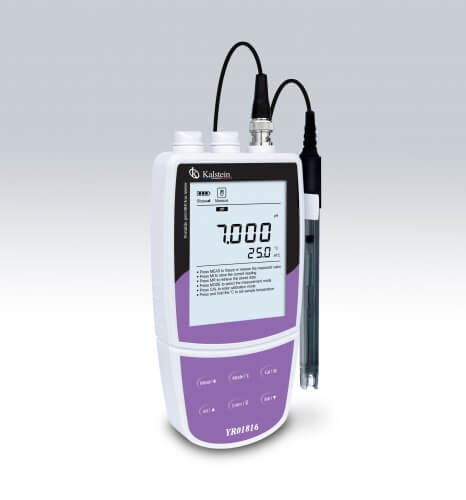
Understanding Environmental Conditions and Installation Requirements for the YR01817-3 Ammonium Ion Meter
The YR01817-3 Portable Ammonium Ion Meter is a professional-grade instrument designed for precise measurement of ammonium ion concentration in various environments. However, ensuring optimal performance relies heavily on understanding the environmental conditions and installation requirements specific to this model. This article outlines critical factors that influence the operation of the YR01817-3, including temperature, humidity, electrical supply, and other site preparatory aspects.
Environmental Conditions for the YR01817-3
The performance of the YR01817-3 is dependent on specific environmental conditions that must be maintained for accurate measurements. This section discusses the key parameters that should be considered.
Temperature Range
Operating within the correct temperature range is vital for the accuracy and reliability of the YR01817-3. The device operates effectively in temperatures ranging from 0°C to 105°C (32°F to 221°F). This range allows the instrument to be utilized in various field conditions, but exceeding these limits can lead to inaccurate readings and potential damage.
Humidity Levels
The YR01817-3 is designed to perform in environments with humidity levels typically between 20% and 80%. High humidity can affect sensor accuracy and potentially lead to corrosion. Proper calibration and maintenance routines should be established to mitigate these effects.
Essential Installation Requirements
Installation of the YR01817-3 requires careful consideration of various physical and electrical components to ensure its longevity and functionality.
Power Supply Specifications
The YR01817-3 operates on either three AA batteries (1.5V) or a DC5V power adapter. For consistent performance, it is crucial that the power supply chosen matches the specifications outlined in the user manual and that the batteries are regularly checked for charge levels to avoid interruptions during measurement processes.
Ventilation and Space Requirements
Proper ventilation is essential to prevent overheating of the equipment. The area surrounding the YR01817-3 should allow for adequate airflow, particularly during extended use. Additionally, the device should be placed on a stable surface to avoid vibrations that may impact measurement accuracy.
Site Preparation Checklist for YR01817-3
| Condition | Requirement |
|---|---|
| Temperature | 0°C to 105°C (32°F to 221°F) |
| Humidity | 20% to 80% RH |
| Power Supply | 3 AA batteries (1.5V) or DC5V adapter |
| Ventilation | Ensure adequate airflow around the device |
| Surface Stability | Flat, stable surface to prevent vibrations |
Technical Specifications of the YR01817-3 Ammonium Ion Meter
| Specification | Details |
|---|---|
| Model | YR01817-3 |
| Precision | ± 0.5% FS |
| Calibration Points | 2 to 5 points |
| Measurement Range | 5 × 10⁻⁶ to 1 M, 1.8 to 35500 ppm |
| Measuring Units | ppm, mg/L, mol/L, mmol/L |
| Memory Capacity | Stores up to 500 data sets |
| Display | Custom LCD (80 x 60 mm) |
| Power Supply | 3 AA batteries or DC5V adapter |
| Dimensions | 170 x 85 x 30 mm |
| Weight | 300g |
Frequently Asked Questions
What is the optimal temperature range for the YR01817-3 ammonium ion meter?
The optimal temperature range for the YR01817-3 is between 0°C to 105°C (32°F to 221°F). Operating outside this range can lead to inaccurate measurements and potential damage.
How often should the YR01817-3 be calibrated?
The YR01817-3 should be calibrated regularly depending on usage, typically every few weeks or after significant changes in environmental conditions. Regular calibration ensures accurate readings and proper functionality.
Can the YR01817-3 be used in high-humidity environments?
Yes, the YR01817-3 is designed to function in humidity levels between 20% and 80%. However, precautions should be taken to prevent condensation on the device.
What power supply options are available for the YR01817-3?
The YR01817-3 can be powered using three AA batteries (1.5V) or a DC5V power adapter. Either option should be chosen based on the operational needs and availability.
How can I ensure stability during measurements with the YR01817-3?
To ensure stability during measurements, place the YR01817-3 on a flat and stable surface, away from any sources of vibration or airflow that could impact the readings.
What are the storage capabilities of the YR01817-3?
The YR01817-3 has a memory capacity that allows it to store up to 500 data sets, enabling users to keep track of measurements for analysis and reference.
Conclusion
Installing and using the YR01817-3 ammonium ion meter involves careful consideration of environmental conditions and installation requirements. By adhering to the guidelines provided in this article, users can ensure the longevity and accuracy of their measurements.
If you are looking for a fusion of innovation and quality, you have come to the right place. At Kalstein, we offer you the luxury of exploring our exclusive catalog of laboratory equipment. We manufacture every device to the highest standards of excellence. Our intuitive and seamless online purchasing channels are designed for your convenience, securing the most competitive prices. Hesitate no longer — we bring science to life, it is time to become part of our community.