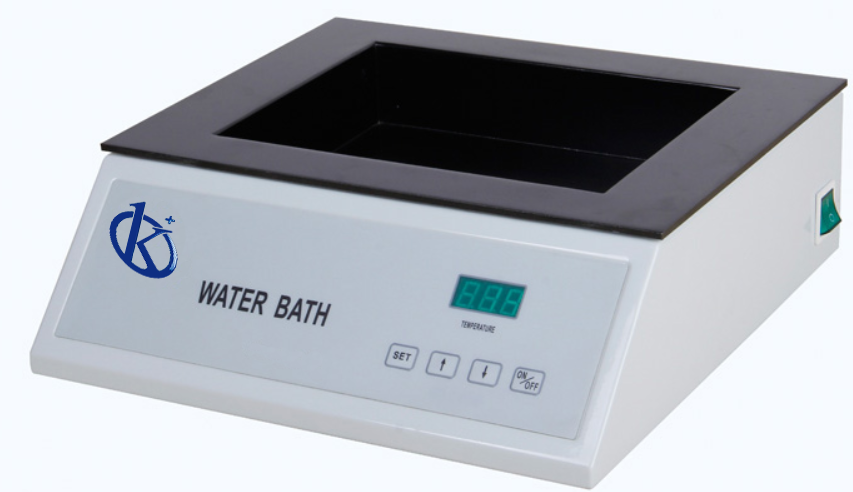
Enhancing Academic Research with Tissue Water Baths: A Comprehensive Guide
Tissue water baths are essential tools in academic research, particularly in university laboratories where precision and reliability are critical. These devices provide a controlled environment for various applications, including tissue processing, histology, and other biochemical experiments. In this article, we will explore the significance of tissue water baths in university research projects, discuss different models available in the market, and highlight key features to consider when selecting a water bath for your academic needs.
Importance of Tissue Water Baths in University Research Projects
The role of tissue water baths in research cannot be overstated. They provide a stable temperature environment necessary for consistent results in experiments involving biological samples. By maintaining a controlled temperature, researchers can reduce variability in their experiments, leading to more reliable and reproducible results. Furthermore, the use of high-quality water baths, such as the models we will discuss, can enhance the efficiency of research projects and contribute to successful outcomes.
Key Features to Consider in a Tissue Water Bath
When choosing a tissue water bath for academic research, several factors should be taken into account:
- Temperature Range: A wide temperature range allows for versatility in applications.
- Temperature Precision: Accuracy in temperature control is vital for consistent experimental conditions.
- Capacity: Larger baths can accommodate more samples, which is beneficial for high-throughput experiments.
- Ease of Use: User-friendly controls and displays enhance efficiency in laboratory settings.
- Durability: Robust construction ensures longevity, especially in busy academic environments.
Comparison of Available Models
| Model | Temperature Range | Control Precision | Dimensions | Power | Best For |
|---|---|---|---|---|---|
| YR449 | RT to 90 ℃ | ±1℃ | 360 × 350 × 120 mm | 200W | General tissue analysis |
| YR451 | 0 - 85 ℃ | ±1℃ | 515 × 420 × 150 mm | 400W | High-precision experiments |
| YR452 | RT to 75℃ | ±1℃ | 515 × 420 × 160 mm | 500W | Multi-sample processing |
Common Mistakes and How to Avoid Them
Choosing the wrong tissue water bath can hinder research progress. Common mistakes include selecting a model with insufficient temperature range or precision, underestimating the importance of build quality, and neglecting to consider power requirements. To avoid these pitfalls, researchers should conduct thorough comparisons of models based on their specific application needs and project requirements.
Academic Research Applications for Tissue Water Baths
Tissue water baths find extensive applications in university research projects. They are widely used in histology for embedding tissues, in biochemistry for enzyme reactions, and in microbiology for culture growth. The YR449, for instance, is particularly suited for general tissue analysis due to its broad temperature range, while the YR451 is ideal for high-precision applications that require strict temperature control.
Energy Efficiency and Cost Analysis
Given the rising costs of laboratory operations, it is essential to consider the energy efficiency of laboratory equipment. The energy consumption of tissue water baths can significantly impact the operational budget. For example, the YR449 consumes 200W, which helps maintain a balance between performance and cost-effectiveness. A detailed cost analysis of energy consumption should be conducted to ensure optimal budget management.
Integrating Tissue Water Baths into University Curriculum
Incorporating tissue water baths into university laboratory curricula enhances the learning experience for students. By familiarizing students with these tools, institutions prepare them for real-world applications in research and clinical settings. Instructors should design lab activities that allow students to gain hands-on experience with different models, emphasizing the importance of temperature control in experimental design.
Frequently Asked Questions
What are the temperature ranges for different tissue water baths available for academic use?
The tissue water baths YR449, YR451, and YR452 offer temperature ranges of RT to 90 ℃, 0 - 85 ℃, and RT to 75℃, respectively, making them suitable for various academic research applications.
How can I determine the best tissue water bath model for my laboratory?
To determine the best model, consider factors such as temperature range, precision, and intended application. For example, the YR451 excels in high-precision experiments, while the YR449 is versatile for general use.
Which tissue water bath is more energy-efficient for long-term research projects?
The YR449 model, with a power consumption of 200W, offers a balance of efficiency and performance, making it a favorable option for long-term academic research projects focused on cost-effectiveness.
What features should I look for in a tissue water bath for student laboratories?
When selecting a water bath for student laboratories, prioritize ease of use, robustness, and a reasonable temperature range. The YR451's user-friendly design can facilitate learning in academic settings.
How do temperature inconsistencies affect academic research outcomes?
Temperature inconsistencies can lead to variable results, impacting reproducibility and validity. Using models like the YR451, with precision control, mitigates this risk in sensitive experiments.
What maintenance is required for tissue water baths in university labs?
Routine maintenance includes cleaning the bath, checking temperature calibration, and ensuring that water levels are adequate. This is crucial to maintain accuracy and prolong the lifespan of models like the YR452.
How do tissue water baths contribute to successful grant applications in research?
Tissue water baths enhance experimental accuracy and reproducibility, which are important factors in grant evaluations. Demonstrating access to reliable equipment like the YR449 can strengthen your application.
What are the best practices for using tissue water baths in multi-user research environments?
In multi-user settings, it's essential to establish clear protocols for usage, maintenance, and scheduling. Utilizing a versatile model like the YR451 can accommodate various research needs and users effectively.
If you are looking for a fusion of innovation and quality, you have come to the right place. At Kalstein, we offer you the luxury of exploring our exclusive catalog of laboratory equipment. We manufacture every device to the highest standards of excellence. Our intuitive and seamless online purchasing channels are designed for your convenience, securing the most competitive prices. Hesitate no longer — we bring science to life, it is time to become part of our community.