Achieving Energy Sustainability and Reducing Environmental Footprint in Tissue Embedding Systems
The increasing emphasis on energy sustainability and minimizing environmental footprints in laboratory settings has led to significant advancements in tissue embedding systems. This article provides an in-depth comparison of various models, highlighting how each contributes to energy efficiency while maintaining high operational standards in histology laboratories. Understanding these innovations is crucial for laboratory professionals seeking to enhance sustainability practices.
Energy Sustainability in Tissue Embedding Systems
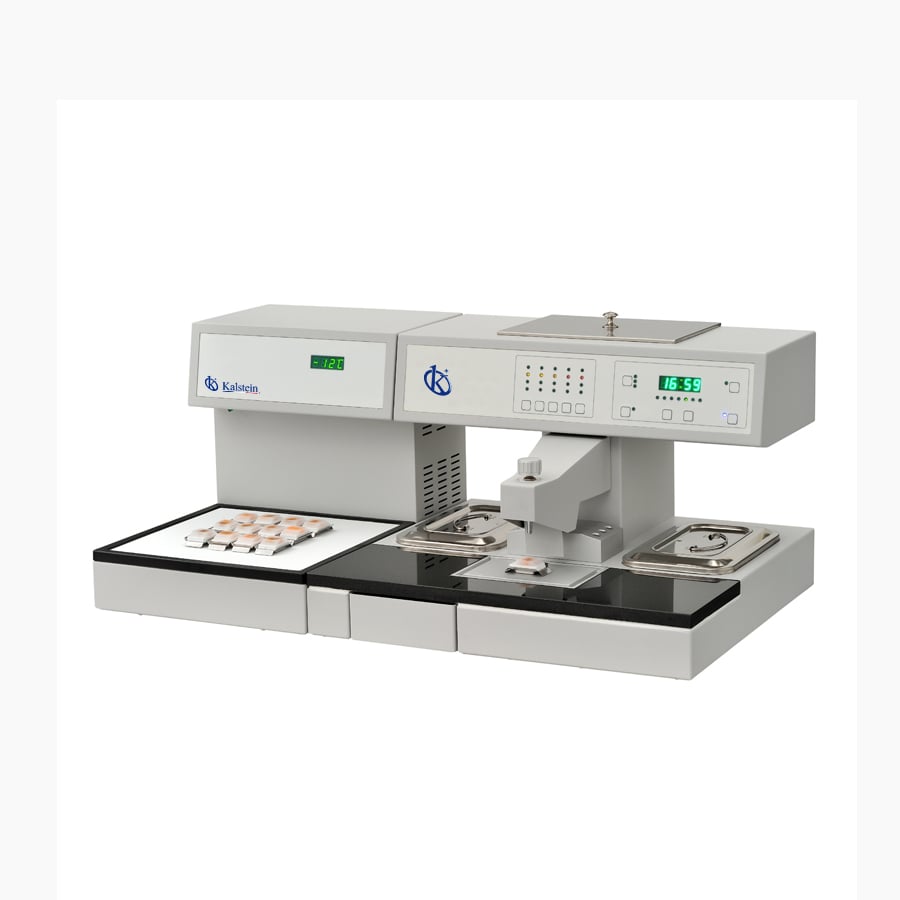
The energy consumption of laboratory equipment, including tissue embedding systems, has become a focal point in the quest for sustainability. Modern tissue embedding systems are designed with energy-saving features that significantly reduce their operational costs and environmental impact. For example, models like the Tissue Inclusion Center YR447 employ cutting-edge silicone heating elements that ensure rapid and uniform heating while minimizing energy usage. By adopting such technologies, laboratories can take substantial steps toward achieving their sustainability goals.
Environmental Impact Reduction
Reducing environmental impact goes beyond energy consumption; it encompasses the overall lifecycle of laboratory products. Tissue embedding systems like the YR440B are engineered with environmentally friendly refrigerants, which not only reduce the carbon footprint but also align with global standards for sustainability. Laboratories can benefit from lifecycle assessments that evaluate the environmental costs associated with their equipment, ultimately guiding purchasing decisions toward greener options.
Key Features Promoting Sustainability
Each tissue embedding system on the market is equipped with various features that promote sustainability. For instance, the Tissue Inclusion Center YR441 offers programmable operation modes that allow labs to optimize usage times, thereby reducing energy consumption during non-peak hours. Similarly, the YR445 model integrates LED indicators that provide real-time operational feedback, enabling better management of energy resources. These features are pivotal in fostering a sustainable laboratory environment.
Comparison of Available Models
| Model | Paraffin Chamber Capacity (liters) | Temperature Range (°C) | Price (USD) | Energy Efficiency Features |
|---|---|---|---|---|
| YR441 | 3 | 55 - 70 | 2200.00 | Programmable operations, independent heating zones |
| YR447 | 4 | RT - 85 | 2800.00 | Rapid heating, reduced energy consumption |
| YR439 | 3 | 55 - 70 | 1300.00 | Programmable on/off control, ergonomic design |
| YR445 | 4 | RT - 85 | 1800.00 | LED lighting, intuitive control panel |
| YR440B | N/A | 0 to -20 | 1100.00 | Environmentally friendly refrigerants, low noise |
Common Mistakes and How to Avoid Them
Laboratory professionals often encounter challenges when selecting equipment aligned with sustainability goals. A common mistake is overlooking energy consumption profiles when making purchasing decisions. It is essential to analyze not only the upfront costs but also the long-term operational costs associated with energy use. Additionally, failing to implement programmable features that optimize usage can lead to excessive energy waste. Choosing models like the YR447, which allows for detailed control over operational parameters, can help avoid these pitfalls.
Best Practices for Energy Efficiency
To enhance energy efficiency in tissue embedding systems, laboratories should adopt several best practices. First, conducting regular maintenance checks ensures that systems operate at peak efficiency. Second, scheduling operations during off-peak hours can minimize energy costs. Lastly, training staff on energy-saving protocols empowers the entire team to contribute to sustainability efforts effectively. Implementing these practices alongside advanced models like the YR441 can lead to significant reductions in energy consumption.
Frequently Asked Questions
How do tissue embedding systems contribute to energy sustainability in laboratories?
Tissue embedding systems contribute to energy sustainability by integrating advanced heating elements and programmable features that minimize energy consumption. For instance, the YR447 model utilizes new-generation silicone heaters to ensure rapid and uniform heating, which significantly reduces energy use.
What are the energy consumption metrics for tissue embedding systems?
Energy consumption varies by model, with systems like the YR445 optimized for lower energy use through features like LED lighting and programmable controls. Understanding these metrics helps laboratories assess their energy footprint and make informed decisions.
Which tissue embedding system is best for reducing environmental impact?
The YR440B is particularly effective for reducing environmental impact due to its use of eco-friendly refrigerants. This model not only provides efficient cooling but also adheres to environmental standards, making it a responsible choice for laboratories.
How can laboratories measure the energy efficiency of their embedding systems?
Laboratories can measure energy efficiency by monitoring usage patterns and assessing the specific energy consumption (kWh) against operational output (samples processed). Equipment like the YR447, with programmable features, allows for detailed tracking of energy usage.
What is the lifecycle assessment of tissue embedding systems regarding sustainability?
A lifecycle assessment for tissue embedding systems evaluates the environmental impact from production to disposal. Models like the YR441, designed with energy-efficient features, contribute positively to sustainability efforts throughout their operational lifespan.
How can programmable features in tissue embedding systems improve energy efficiency?
Programmable features, such as those found in the YR439, allow laboratories to automate on/off cycles, ensuring the system operates only when needed. This capability significantly reduces energy consumption and operational costs over time.
What are the common mistakes laboratories make regarding sustainability in equipment?
A common mistake is neglecting to prioritize energy efficiency in the selection process. Laboratories often focus on upfront costs instead of long-term savings on energy bills, which can lead to higher operational costs with less efficient models.
How can laboratories further reduce their environmental footprint with tissue embedding systems?
To reduce their environmental footprint, laboratories can select models like the YR445, which feature energy-efficient designs, implement maintenance schedules, and train staff on energy-saving practices to optimize the use of tissue embedding systems.
If you are looking for a fusion of innovation and quality, you have come to the right place. At Kalstein, we offer you the luxury of exploring our exclusive catalog of laboratory equipment. We manufacture every device to the highest standards of excellence. Our intuitive and seamless online purchasing channels are designed for your convenience, securing the most competitive prices. Hesitate no longer — we bring science to life, it is time to become part of our community.