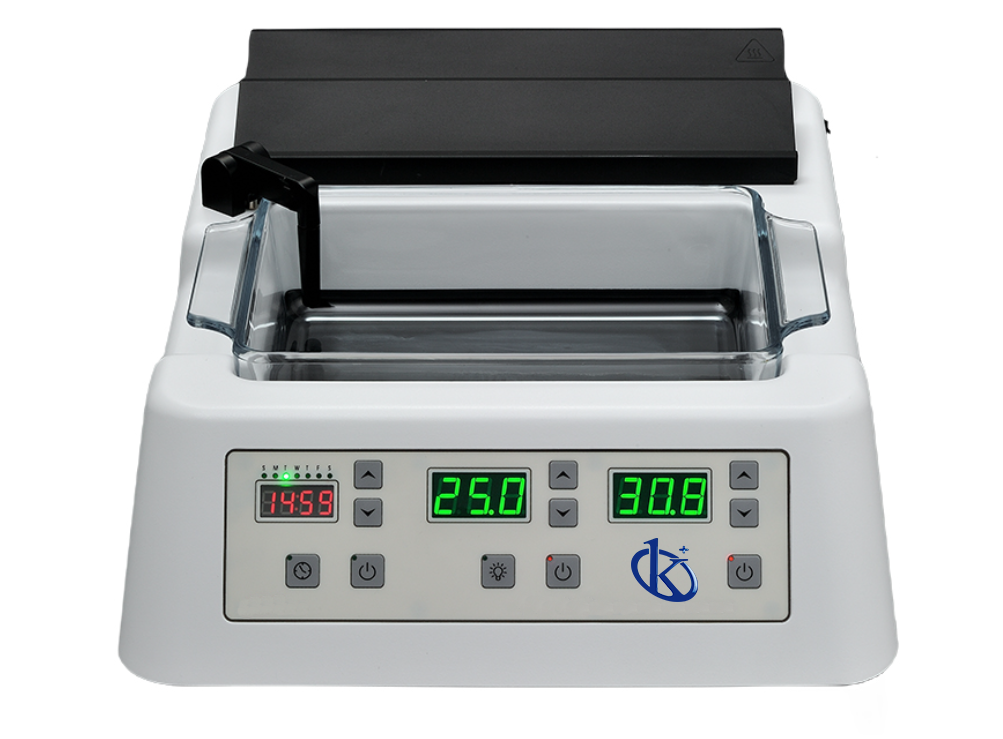
Energy Sustainability and Reducing Environmental Footprint in Tissue Flotation
In the realm of laboratory practices, especially within the field of pathological anatomy, energy sustainability and reducing environmental footprints have become critical goals. The tissue flotation process, essential for preparing tissue samples, can also be optimized for these objectives. This article explores various models of tissue flotation workstations, their specifications, and how they contribute to energy efficiency and environmental responsibility.
Understanding Energy Sustainability in Tissue Flotation
Energy sustainability involves utilizing resources in a way that meets present needs without compromising the ability of future generations to meet theirs. In the context of tissue flotation, it is essential to evaluate the energy consumption of different models and identify practices that can minimize waste. The adoption of energy-efficient models not only benefits the lab’s operational costs but also aligns with global efforts to combat climate change.
Key Environmental Impacts of Tissue Flotation
Tissue flotation workstations primarily consume electricity and water, which can contribute to a lab's overall environmental impact. Understanding these factors is crucial for laboratories aiming to minimize their ecological footprint. For example, modern devices often feature programmable settings that optimize energy usage based on the specific needs of the samples being processed, which can lead to significant reductions in energy consumption.
Heating and Cooling Efficiency
Heating and cooling systems in tissue flotation workstations are vital for maintaining the necessary temperatures for sample preparation. Models such as the YR456 and YR457 utilize microprocessor-controlled temperature management that optimizes energy use. This not only enhances the operational efficiency of the workstation but also reduces the energy footprint by ensuring that excess energy is not wasted during the heating process.
Water Usage and Management
Water consumption is another critical area where flotation workstations can be assessed for sustainability. Choosing models designed to minimize water usage without compromising sample quality is essential. For instance, the YR457-1 is equipped with features that enable more controlled water management, promoting sustainability by using only what is necessary for effective sample preparation.
Energy Consumption Metrics
To make informed decisions, laboratories should track energy consumption metrics across different models. The energy consumption can be measured in kWh per run, allowing for comparisons that help labs choose the most efficient equipment. A thorough analysis of the energy profile for each model can lead to choosing the right workstation that promotes both efficiency and sustainability.
Comparison of Available Models
| Model | Temperature Range | Power (W) | Water Management | Best for |
|---|---|---|---|---|
| YR456 | RT - 70℃ | 400 | Independent heating tanks | Low water consumption |
| YR457 | RT - 70℃ | 400 | Programmable settings | Energy-efficient operations |
| YR457-1 | RT - 70℃ | 400 | Advanced temperature control | High sustainability standards |
Common Mistakes and How to Avoid Them
Laboratories often overlook the importance of selecting energy-efficient models, leading to unnecessarily high operational costs and environmental impacts. One common mistake is failing to evaluate the energy consumption metrics before purchasing equipment. To avoid this, laboratories should conduct thorough research on energy profiles, maintenance costs, and potential environmental impacts of the tissue flotation models they consider.
Frequently Asked Questions
How can I reduce energy consumption in my tissue flotation process?
To reduce energy consumption, consider using models like the YR456, which features independent heating tanks that optimize water and energy usage. Implementing programmable settings can also help in maintaining temperature without excess energy waste.
Which tissue flotation workstation is best for minimizing environmental footprint?
The YR457-1 is designed with advanced temperature control and programmable features, making it an excellent choice for minimizing environmental footprints while ensuring effective sample processing.
What are the energy-saving features in modern tissue flotation equipment?
Modern tissue flotation workstations like the YR456 include microprocessor-controlled temperature management, which ensures energy is used only as needed, directly contributing to energy savings and sustainability.
How does choosing the right model affect operational costs in tissue flotation?
Selecting an energy-efficient model such as the YR457 can significantly reduce operational costs by minimizing energy consumption. This translates to lower electricity bills and improved resource management in the laboratory.
What role does water management play in tissue flotation sustainability?
Effective water management is essential for sustainability in tissue flotation. Models like the YR457 feature advanced water management systems that minimize water usage while maintaining sample quality, helping to reduce overall environmental impact.
How often should I evaluate my tissue flotation workstation's energy efficiency?
Regular evaluation of energy efficiency should be conducted at least annually. Monitoring the energy consumption metrics can help identify potential improvements and ensure that your equipment, like the YR456, remains energy-efficient and environmentally friendly.
Can energy-efficient tissue flotation workstations help meet compliance standards?
Yes, energy-efficient workstations, such as the YR457-1, can assist in meeting various compliance standards by reducing overall energy consumption and promoting sustainable laboratory practices, aligning with regulations aimed at sustainability.
What should I consider when purchasing a tissue flotation workstation?
When purchasing a tissue flotation workstation, consider energy efficiency features, water management capabilities, and the overall environmental impact of the model. Devices like the YR457 are designed to optimize these factors effectively.
If you are looking for a fusion of innovation and quality, you have come to the right place. At Kalstein, we offer you the luxury of exploring our exclusive catalog of laboratory equipment. We manufacture every device to the highest standards of excellence. Our intuitive and seamless online purchasing channels are designed for your convenience, securing the most competitive prices. Hesitate no longer — we bring science to life, it is time to become part of our community.