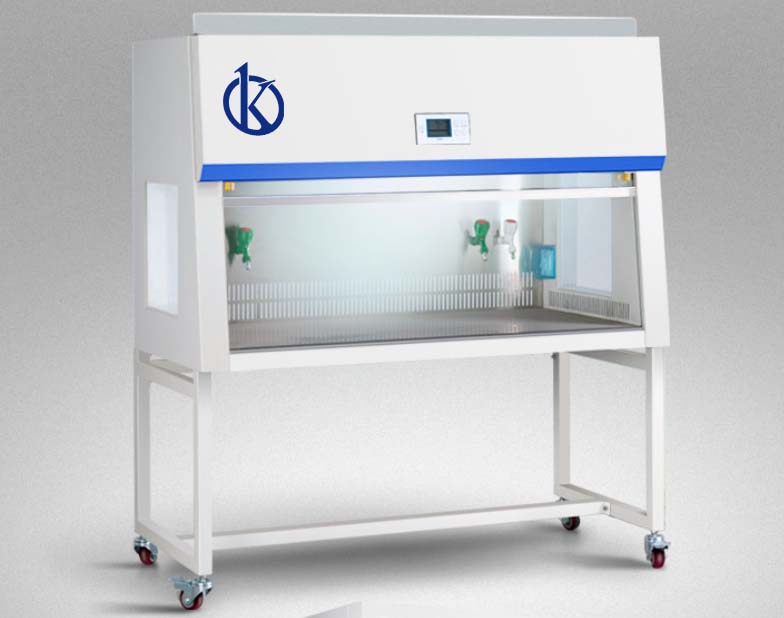
How Energy Sustainability and Reduced Environmental Footprint Influence Vertical Laminar Flow Clean Benches
In the realm of laboratory equipment, vertical laminar flow clean benches play a crucial role in ensuring a controlled and sterile workspace for various scientific applications. However, as the global emphasis shifts towards energy sustainability and reducing environmental impact, understanding how these ideals affect the design, efficiency, and operational costs of clean benches becomes essential. This article delves into the various models available, focusing on their features, benefits related to energy conservation, and the implications for environmental stewardship.
Understanding the Role of Vertical Laminar Flow Clean Benches
Vertical laminar flow clean benches provide a sterile environment for sensitive experiments, protecting samples from contaminants. They utilize HEPA filters and a laminar airflow design to maintain cleanliness, essential for biomedical, pharmaceutical, and electronic applications. As laboratories strive for energy efficiency, these clean benches are evolving to meet both operational and environmental standards.
Energy Sustainability in Laboratory Operations
Energy sustainability in laboratories not only reduces costs but also plays a significant part in minimizing the carbon footprint. By selecting energy-efficient equipment such as clean benches designed with low power consumption, laboratories can significantly cut down their energy usage. This not only aligns with global sustainability goals but also results in lower operational costs in the long term.
Comparative Analysis of Vertical Laminar Flow Clean Benches
| Model Code | Price (USD) | Energy Consumption (W) | Cleaning Class | Best For |
|---|---|---|---|---|
| YR05267-1 | 1600.00 | 400 | ISO 14644.1 Class 5 | Biotechnology and Pharmaceuticals |
| YR05734 | 240.00 | N/A | Class 100 | Medical and Health Fields |
| YR05735 | 300.00 | N/A | Class 100 | Biomedical Research |
| YR05736 | 420.00 | 100 | ISO 14644.1 Class 100 | Life Sciences |
| YR05737 | 650.00 | 500 | Class 100 | Pharmaceuticals |
| YR05738 | 590.00 | 400 | ISO 14644.1 Class 100 | Medical Applications |
Common Mistakes and How to Avoid Them
Laboratories often overlook the importance of energy ratings when selecting clean benches. It's crucial to assess the energy consumption of models like YR05267-1 and YR05736, which are equipped with energy-efficient features. Additionally, failing to maintain the HEPA filters can lead to increased energy costs and reduced performance. Regular maintenance and selecting the right model for specific applications can prevent these pitfalls.
Environmental Impact and Lifecycle Assessment
Conducting a lifecycle assessment (LCA) of clean benches enables laboratories to quantify their environmental impact from manufacturing through disposal. Models like YR05735, with materials designed for longevity and recyclability, can enhance sustainability outcomes. By understanding the full lifecycle, labs can make informed decisions that align with sustainability goals.
Integrating Sustainability into Laboratory Protocols
Integrating sustainability into laboratory protocols means establishing practices that minimize waste and energy use during operations. This includes optimizing the airflow in clean benches, like those in the YR series, to ensure efficiency while maintaining sterility. Implementing energy-saving modes during non-peak hours can further reduce energy consumption significantly.
Future Trends in Energy-Efficient Clean Benches
As technology advances, we can expect more innovations in the design of vertical laminar flow clean benches. Features such as automated energy monitoring, smart controls, and enhanced filtration systems will become standard, streamlining operations while promoting sustainability. Models such as the YR05737 are already incorporating advanced materials and designs that prioritize energy efficiency.
Frequently Asked Questions
How does energy-efficient design benefit vertical laminar flow clean benches?
Energy-efficient designs in models like YR05267-1 reduce operational costs and environmental impact, making them ideal for sustainability-focused laboratories. These models are engineered to consume less energy while maintaining high standards of cleanliness.
What is the energy consumption of YR05736 compared to other models?
YR05736 has a maximum power consumption of 100W, which is lower than several other models. This efficiency helps laboratories reduce their overall energy footprint while still delivering reliable performance in clean environments.
Which HEPA filter standards do vertical laminar flow clean benches meet?
Most vertical laminar flow clean benches, including YR05738, comply with HEPA filter standards that capture 99.99% of particles, ensuring that air quality remains uncompromised while operating energy-efficiently.
How do I choose a sustainable vertical laminar flow clean bench for my lab?
Evaluate models like YR05735 that prioritize energy efficiency, have low operational costs, and meet stringent cleanliness standards. This ensures that you select a model that supports sustainability while meeting your laboratory's needs.
What role do materials play in the sustainability of clean benches?
Materials used in clean benches, such as those in YR05734, are critical for sustainability. Durable and recyclable materials minimize environmental impact and enhance the longevity of the equipment, supporting your laboratory's sustainability efforts.
How can I minimize energy waste in clean bench operations?
Implementing best practices like regular maintenance of models such as YR05737 and utilizing energy-saving settings can significantly reduce energy waste, aligning operations with sustainability goals.
What are the cleaning class specifications for vertical laminar flow clean benches?
Vertical laminar flow clean benches such as YR05267-1 typically meet ISO 14644.1 Class 5 standards, which dictate stringent requirements for cleanliness, crucial for maintaining sterility in sensitive applications.
How can integrating sustainability protocols affect laboratory operations?
Integrating sustainability protocols can optimize the performance of clean benches like YR05736, resulting in reduced energy costs, lowered environmental impact, and improved compliance with environmental regulations.
If you are looking for a fusion of innovation and quality, you have come to the right place. At Kalstein, we offer you the luxury of exploring our exclusive catalog of laboratory equipment. We manufacture every device to the highest standards of excellence. Our intuitive and seamless online purchasing channels are designed for your convenience, securing the most competitive prices. Hesitate no longer — we bring science to life, it is time to become part of our community.