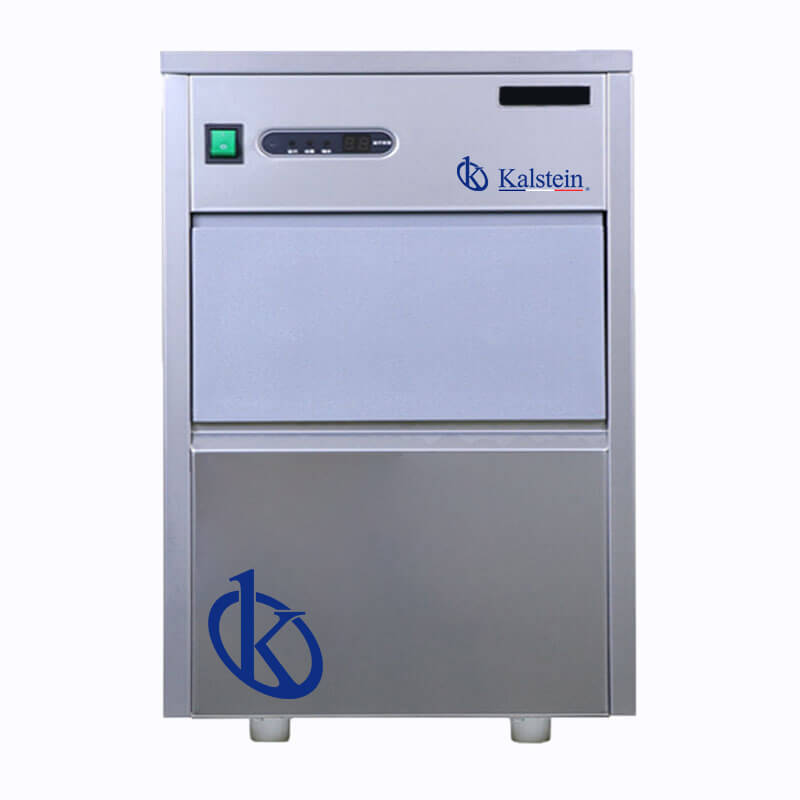
How Energy Sustainability Shapes the Future of Ice Machines in Laboratories
As the global emphasis on sustainability intensifies, laboratories are increasingly seeking energy-efficient equipment to reduce their environmental footprint. Ice machines play a crucial role in various laboratory applications, ranging from biological research to medical testing. This article explores the energy sustainability of different ice machine models, examining their impact on efficiency and environmental practices.
Understanding Energy Sustainability in Ice Machines
Energy sustainability refers to the capacity of a system to operate with minimal environmental impact, often characterized by energy efficiency, reduced waste, and reliance on renewable resources. In the context of ice machines, this means selecting models that not only provide adequate ice production but do so while consuming less energy and water.
Modern ice machines, such as the YR05130 and YR05131 models, utilize high-quality materials and advanced technology to achieve energy efficiency. These models are designed to reduce energy consumption through features like optimized compressor systems and improved insulation.
Comparison of Available Models
| Model | Ice Production (kg/24h) | Storage Capacity (kg) | Power (W) | Dimensions (mm) | Price (USD) |
|---|---|---|---|---|---|
| YR05130 | 20 | 10 | 280 | 330 x 470 x 610 | 435.00 |
| YR05131 | 30 | 10 | 300 | 330 x 470 x 610 | 465.00 |
| YR05132 | 40 | 15 | 360 | 400 x 540 x 700 | 525.00 |
| YR05133 | 50 | 15 | 380 | 400 x 540 x 700 | 565.00 |
| YR05134 | 60 | 25 | 420 | 400 x 510 x 840 | 655.00 |
| YR05135 | 70 | 25 | 460 | 400 x 510 x 840 | 679.00 |
Energy Consumption and Its Impact on Laboratory Operations
Laboratories operate on tight budgets and must consider the operational costs associated with energy consumption. An ice machine that consumes less energy can significantly lower operating expenses over time. For example, the YR05130, with its energy-efficient compressor, produces 20 kg of ice per day while consuming only 280 W. This translates to lower electricity bills and a smaller carbon footprint.
Additionally, energy-efficient models often require less maintenance, which can lead to reduced downtime and improved productivity. Laboratories leveraging energy-efficient ice machines can achieve their operational goals while contributing to sustainability initiatives.
Water Usage and Environmental Impact
Conserving water is another key aspect of energy sustainability. Many ice machines use tap water for ice production and can be optimized for lower consumption without sacrificing output. Models like the YR05132 and YR05134 are designed with features that enhance insulation and reduce water wastage, making them ideal choices for environmentally-conscious laboratories.
Implementing water-saving practices in conjunction with energy-efficient machines can help laboratories minimize their overall environmental impact. This dual focus on energy and water sustainability aligns with global efforts to promote responsible resource usage.
Lifecycle Assessment of Ice Machines
Conducting a lifecycle assessment (LCA) of ice machines involves evaluating their environmental impact from production to disposal. Sustainable models, such as the YR05133 and YR05135, utilize recyclable materials and are designed for energy efficiency throughout their lifecycle. An LCA approach allows laboratories to select equipment that supports their sustainability goals while maintaining high performance.
When selecting an ice machine, it's essential to consider not only the initial purchase price but also the long-term environmental costs associated with operation and disposal. Choosing models with a proven track record of sustainability can lead to significant benefits over time.
Common Mistakes and How to Avoid Them
One common mistake laboratories make when selecting ice machines is overlooking energy efficiency ratings. It's vital to assess the energy consumption of each model in relation to its output capacity. Additionally, failing to consider the machine's water usage can result in unforeseen costs. Always look for machines that provide detailed specifications on both energy and water consumption.
Another mistake is neglecting to account for the machine's placement and insulation capabilities. Proper installation and insulation can significantly impact the energy efficiency of the machine. Consulting with equipment specialists when making a purchase can help avoid these pitfalls.
Frequently Asked Questions
How can I determine the best ice machine model for energy efficiency?
To find the most energy-efficient ice machine, consider models like the YR05130 and YR05131, which are designed for low energy consumption. Look for specifications on power usage (W) in relation to ice production (kg/24h) to evaluate efficiency. This comparison will guide you towards a model that meets your laboratory's sustainability goals.
What is the average water consumption of laboratory ice machines?
The average water consumption varies by model; however, energy-efficient units like the YR05132 and YR05134 are engineered to minimize waste. By carefully reviewing the specs provided, laboratories can select machines that conserve water while delivering the necessary ice output.
Which ice machine models offer the best balance between cost and sustainability?
Models like the YR05130 and YR05135 provide a solid balance between initial cost and long-term sustainability. Evaluating their energy and water usage alongside their purchase price can help laboratories make informed decisions that align with budget constraints and sustainability objectives.
How do ice machines contribute to a laboratory's overall sustainability efforts?
Ice machines, particularly energy-efficient models such as the YR05131, contribute by reducing energy consumption and minimizing waste. By incorporating these machines into laboratory operations, facilities can significantly lower their carbon footprint and support global sustainability initiatives.
What are the maintenance requirements for energy-efficient ice machines?
Energy-efficient ice machines, like the YR05134 and YR05135, usually require less frequent maintenance due to their advanced technology. Regular cleaning, checking refrigerant levels, and monitoring performance are essential tasks to ensure continued efficiency and longevity of the machines.
How does the insulation quality affect ice machine performance?
Insulation quality plays a significant role in energy consumption. Machines like the YR05132 feature advanced insulation materials that reduce energy loss, helping maintain optimal performance while minimizing electricity usage. This results in better ice production efficiency and lower operational costs.
Can energy-efficient ice machines fit into existing laboratory workflows?
Yes, many energy-efficient ice machines are designed to seamlessly integrate into existing laboratory workflows. Models like the YR05130 and YR05133 are compact and designed for easy installation, making them a suitable choice for various laboratory settings.
If you are looking for a fusion of innovation and quality, you have come to the right place. At Kalstein, we offer you the luxury of exploring our exclusive catalog of laboratory equipment. We manufacture every device to the highest standards of excellence. Our intuitive and seamless online purchasing channels are designed for your convenience, securing the most competitive prices. Hesitate no longer — we bring science to life, it is time to become part of our community.