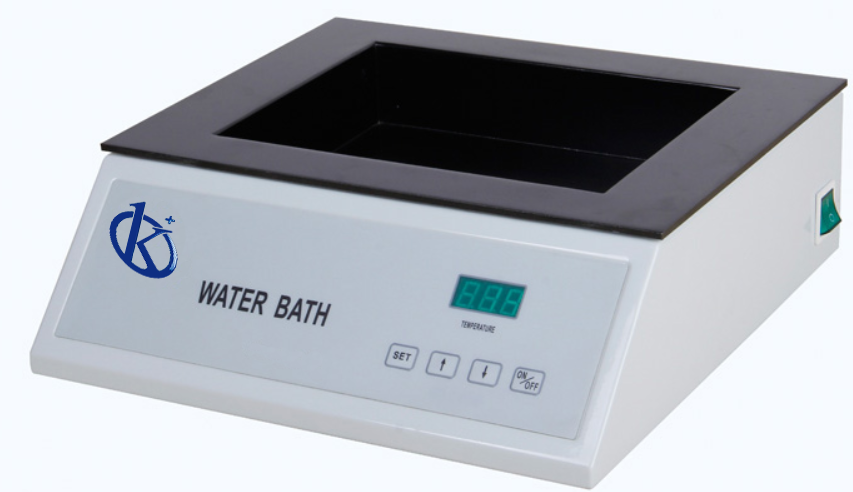
Energy Sustainability and Environmental Footprint Reduction in Tissue Water Baths
As laboratories increasingly focus on sustainability and minimizing their environmental impact, energy-efficient devices are becoming essential components of modern laboratory setups. Tissue water baths, often used in pathological anatomy for specimen preparation, can be optimized for energy sustainability and reduced environmental footprints. This article delves into how different models of tissue water baths can meet these sustainability goals while maintaining high performance and reliability.
Understanding Energy Sustainability in Laboratories
Energy sustainability in laboratory settings refers to utilizing energy-efficient equipment and practices, thereby reducing energy consumption and operational costs. It involves using devices that not only perform their functions effectively but also minimize their environmental impact. Tissue water baths, while critical for various laboratory processes, can significantly influence a lab's overall energy consumption and carbon footprint.
Key Features for Reducing Environmental Footprints
When considering tissue water baths, several features are crucial for enhancing energy sustainability. These include:
- Heating Efficiency: Models that utilize advanced heating elements can reduce energy usage.
- Temperature Control: Accurate temperature control minimizes energy waste during use.
- Material Durability: Long-lasting materials reduce the need for replacements, thereby minimizing waste.
- Smart Features: Automated functions can help in energy management and reduce unnecessary power consumption.
Comparative Analysis of Leading Tissue Water Baths
The following section presents a comparison of three leading models of tissue water baths, focusing on their energy sustainability features.
| Model | Temperature Range | Energy Consumption (W) | Best Use Scenario |
|---|---|---|---|
| YR449 | RT to 90 ℃ | 200 | High-volume specimen processing |
| YR451 | 0 - 85 ℃ | 400 | Precision temperature control for sensitive samples |
| YR452 | RT to 75 ℃ | 500 | Versatile tissue flotation and heating |
Common Mistakes and How to Avoid Them
Laboratory professionals often overlook critical factors when selecting tissue water baths, leading to higher energy consumption and environmental impacts. Here are some common mistakes:
- Ignoring Energy Ratings: Always check for energy efficiency ratings to select models that align with sustainability goals.
- Underestimating Capacity Needs: Choose a model that meets the lab's workload to avoid underutilization or overuse of energy.
- Neglecting Maintenance: Proper maintenance of heating elements and controls can enhance efficiency and longevity.
Energy Consumption and Lifecycle Assessment
To effectively assess the sustainability of tissue water baths, it is essential to analyze their energy consumption and lifecycle. For instance, while the YR449 operates at 200W, the YR451 and YR452 operate at higher power levels of 400W and 500W respectively. However, their construction and operational features may lead to different lifecycles and maintenance requirements, impacting overall sustainability.
Comparison of Available Models
| Model | Energy Consumption (W) | Temperature Control Precision | Material Strength | Best For |
|---|---|---|---|---|
| YR449 | 200 | ±1℃ | High abrasion and corrosion resistance | Cost-effective, high durability |
| YR451 | 400 | ±1℃ | Durable with LED display | Monitoring sensitive temperature conditions |
| YR452 | 500 | ±1℃ | High-quality construction | Versatile applications with enhanced features |
Conclusion: Achieving Energy Efficiency in Laboratories
Choosing the right tissue water bath can significantly contribute to a laboratory's energy efficiency and sustainability efforts. The models discussed provide various features that help laboratories reduce their environmental footprints while ensuring precise temperature control for specimen processing. By focusing on these aspects, laboratories can take significant steps toward energy sustainability.
Frequently Asked Questions
What are the energy consumption levels of different tissue water baths?
The YR449 operates at 200W, the YR451 at 400W, and the YR452 at 500W. Choosing a model with lower energy consumption can significantly enhance energy sustainability in the lab.
How can a tissue water bath contribute to reducing environmental footprints?
By selecting energy-efficient models like the YR449, labs can lower their overall energy consumption and reduce waste during operation, leading to a lower environmental impact.
What is the temperature control precision of popular tissue water baths?
All models discussed, including the YR449, YR451, and YR452, offer a temperature control precision of ±1℃, ensuring reliable and accurate specimen processing.
Which tissue water bath is best for high-volume laboratories?
The YR449 is particularly suited for high-volume specimen processing due to its efficient energy use and robust design, optimizing performance in busy laboratory environments.
What maintenance practices improve the sustainability of tissue water baths?
Regular maintenance, including checking heating elements and ensuring accurate temperature controls, helps maintain efficiency and prolongs the lifespan of models like the YR451 and YR452.
How does model choice impact laboratory energy efficiency?
Choosing models like the YR449 with lower energy consumption directly affects operational costs and environmental sustainability, making a significant impact on laboratory energy efficiency.
Can tissue water baths be integrated into energy-saving protocols?
Yes, labs can utilize tissue water baths like the YR452 as part of broader energy-saving protocols, optimizing their settings and usage patterns for better sustainability.
What are the cost implications of energy-efficient tissue water baths?
While initial costs may vary, investing in models such as the YR451 can lead to lower operational costs over time due to reduced energy consumption and improved efficiency.
If you are looking for a fusion of innovation and quality, you have come to the right place. At Kalstein, we offer you the luxury of exploring our exclusive catalog of laboratory equipment. We manufacture every device to the highest standards of excellence. Our intuitive and seamless online purchasing channels are designed for your convenience, securing the most competitive prices. Hesitate no longer — we bring science to life, it is time to become part of our community.