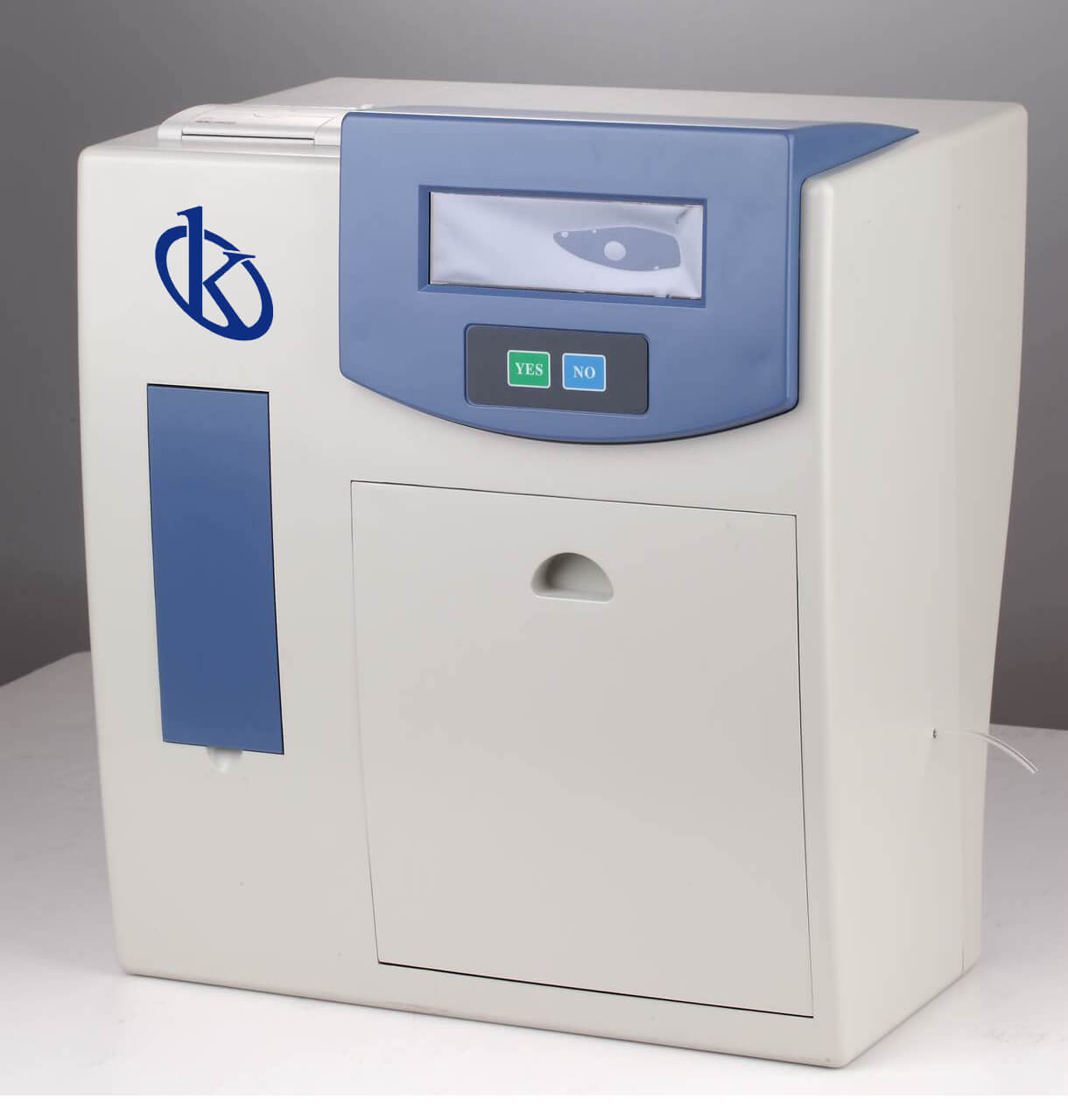
Electrolyte Analyzers in University Research: Enhancing Academic Projects
Electrolyte analyzers are essential tools in laboratory settings, significantly impacting university research and academic projects. They provide precise measurements of essential electrolytes crucial for various studies, including physiology, biochemistry, and environmental sciences. By utilizing these advanced instruments, researchers can enhance their experimental outcomes and ensure reproducibility, which is vital in an academic environment.
Understanding the Role of Electrolyte Analyzers in Academic Research
In university laboratories, electrolyte analyzers play a pivotal role in conducting experiments that require accurate electrolyte measurements. These instruments are not just tools but are integral for various research applications, including clinical diagnostics, environmental analysis, and educational purposes. By ensuring reliable data, researchers can support their hypotheses with valid results, which is crucial for publishing findings and contributing to scientific knowledge.
Application Scenarios in University Research
Electrolyte analyzers can be employed in several key research scenarios within universities:
- Clinical Research: Analyzers detect electrolyte imbalances in patient samples, aiding in medical studies.
- Environmental Studies: These devices measure electrolyte levels in soil and water samples, helping assess ecosystem health.
- Educational Use: They are utilized in teaching laboratories to familiarize students with analytical techniques.
Comparative Analysis of Electrolyte Analyzers Models for University Projects
Different models of electrolyte analyzers offer varying features and specifications that cater to diverse academic needs. Below is a comparison of several models that are particularly suited for educational and research applications:
| Model | Measurement Capacity | Best for | Key Features |
|---|---|---|---|
| YR05169 | K, Na, Cl, iCa, nCa, TCa, pH, TCO, AG | Comprehensive clinical studies | Automatic calibration; real-time diagnostics |
| YR06391 | K, Na, Cl, Ca, pH, Li, Mg | Basic clinical and educational use | Touchscreen interface; low operational costs |
| YR06392 | K, Na, Cl, Ca, pH, Li, Mg | Advanced clinical research | Reliable ion-selective electrode technology |
| YR06393 | K, Na, Cl, Ca, pH, Li, Mg | Research labs with high throughput needs | Fast measurement speed; cost-effective |
| YR06394 | K, Na, Cl, Ca, pH, Li, Mg | Environmental research | User-friendly interface; efficient reagent use |
| YR06395 | K, Na, Cl, Ca, pH, Li, Mg | Integrated research projects | Multi-sample analysis capability |
Common Mistakes and How to Avoid Them
When using electrolyte analyzers in university research, common pitfalls can lead to inaccurate results. Here are some mistakes to avoid:
- Ignoring Calibration: Regular calibration is essential. Failing to calibrate can result in skewed data. Ensure calibration is performed using traceable standards.
- Inadequate Sample Preparation: Samples should be handled and processed according to specific protocols. Neglecting this can lead to errors.
- Relying on Outdated Models: Use current models like YR05169 or YR06392, which have updated features for better accuracy.
Key Features of Electrolyte Analyzers
Several features define the effectiveness of electrolyte analyzers in research settings:
- Real-time Diagnostics: Many models, such as the YR05169, offer real-time diagnostics, which is crucial for immediate research applications.
- Automatic Calibration: Models like YR06391 streamline the calibration process, reducing human error and increasing reliability.
- Multi-parameter Analysis: The ability to measure multiple electrolytes simultaneously enhances workflow efficiency in busy research labs.
Frequently Asked Questions
What are the best electrolyte analyzers for university research projects?
The best electrolyte analyzers for university research projects include models like YR05169 and YR06392, which offer advanced features such as real-time diagnostics and multi-parameter analysis. These features enhance the accuracy and efficiency of research, making them ideal for various academic applications.
How do electrolyte analyzers support academic research integrity?
Electrolyte analyzers like the YR06391 ensure accurate and reproducible results, which are essential for maintaining research integrity. By providing reliable data, these analyzers help researchers validate their hypotheses and achieve publishable outcomes.
What specific applications benefit from using electrolyte analyzers in universities?
Electrolyte analyzers are beneficial in applications such as clinical research, environmental studies, and educational laboratories. Their ability to provide precise electrolyte measurements aids in various projects across different scientific disciplines.
How can universities optimize their use of electrolyte analyzers?
Universities can optimize the use of electrolyte analyzers by regularly calibrating their devices, ensuring proper sample preparation, and selecting models best suited for their specific research needs, such as the YR05169 for comprehensive studies.
What cost factors should universities consider when purchasing electrolyte analyzers?
When purchasing electrolyte analyzers, universities should consider the initial investment, operational costs, and the cost per test. Models like YR06391 are known for their low operational costs, which can lead to a quicker return on investment in academic settings.
Which electrolyte analyzers are best for environmental research in universities?
Models such as the YR06394 are particularly suitable for environmental research due to their capability to analyze various sample types while maintaining cost-effectiveness and fast measurement speeds.
How does the calibration of electrolyte analyzers impact research outcomes?
Calibration of electrolyte analyzers directly impacts research outcomes by ensuring accurate measurements. Regular calibration, especially with models like YR05169, helps prevent data discrepancies and enhances the overall reliability of research findings.
What are the advantages of using touchscreen electrolyte analyzers in academic labs?
Touchscreen electrolyte analyzers, like the YR06391, provide user-friendly interfaces that simplify operation. They improve accessibility for students and researchers, enhancing the overall experience in learning and conducting experiments.
If you are looking for a fusion of innovation and quality, you have come to the right place. At Kalstein, we offer you the luxury of exploring our exclusive catalog of laboratory equipment. We manufacture every device to the highest standards of excellence. Our intuitive and seamless online purchasing channels are designed for your convenience, securing the most competitive prices. Hesitate no longer — we bring science to life, it is time to become part of our community.