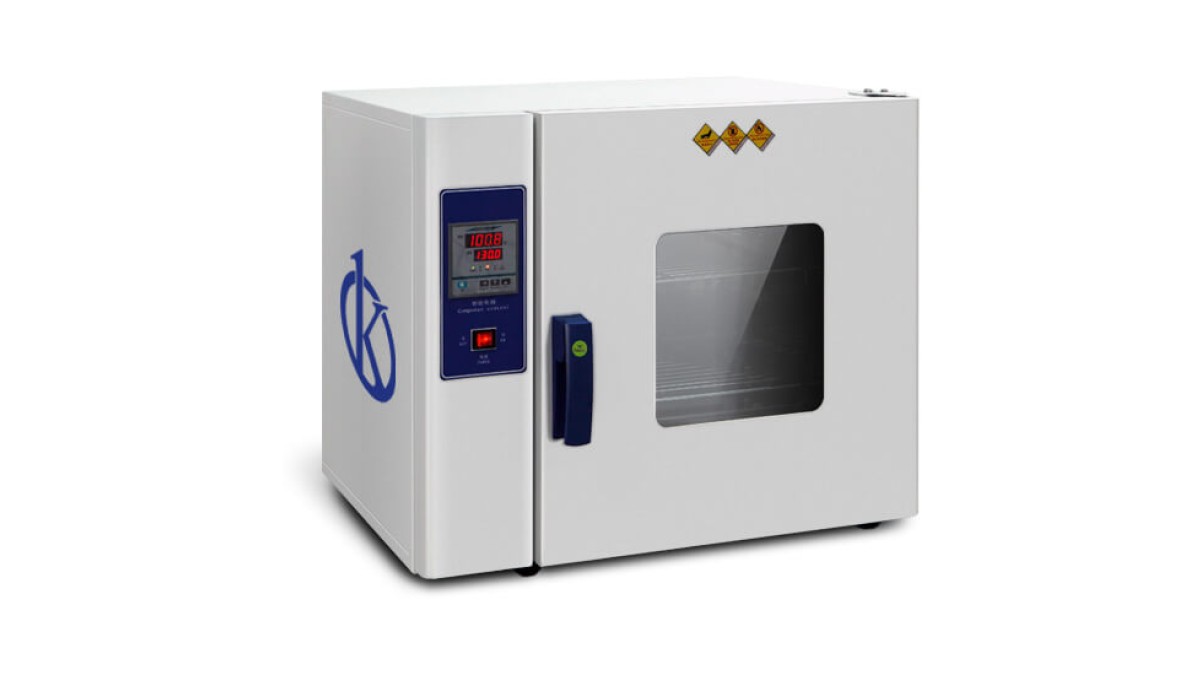
Drying Ovens: Applications in Research, Biotechnology and Academia 2026
Drying ovens play a crucial role in various laboratory settings, providing essential functions such as drying, sterilizing, and thermal treatment of materials. This article aims to explore the practical applications, techniques involved, and best practices for using drying ovens effectively in research, biotechnology, and academia in 2026.
What is it used for in 2026
In 2026, drying ovens are widely utilized in laboratories for several key processes:
- Drying Samples: Removing moisture from samples to prevent degradation or contamination.
- Sterilization: Ensuring that equipment and materials are free from viable microorganisms.
- Thermal Treatment: Applying controlled heat for processes such as curing, hardening, or melting materials.
- Storage: Providing a stable environment for drying sensitive materials that require specific temperature conditions.
History and evolution of the technology
The technology behind drying ovens has evolved significantly over the years. Initially, drying methods were rudimentary, relying on natural air circulation and heat from unregulated sources. With advancements in materials science and engineering, modern drying ovens now incorporate precise temperature controls, programmable settings, and advanced safety features such as over-temperature alarms and PID control systems, increasing their reliability and efficiency in laboratory settings.
How to use it step by step
Using a drying oven effectively involves a series of systematic steps:
- Preparation: Ensure the drying oven is clean and free from residues. Check for any damaged parts or malfunctioning components.
- Setting Temperature: Adjust the temperature settings based on the specific requirements of the samples being dried. Most ovens have a range of RT+5 to 250°C.
- Loading Samples: Arrange samples evenly within the oven, allowing adequate space for air circulation. Avoid overcrowding to ensure uniform drying.
- Starting the Oven: Turn on the drying oven and monitor the heating process. Utilize the timer feature to set the appropriate drying duration.
- Monitoring: Regularly check the oven’s temperature and conditions to ensure they remain within the desired parameters. Utilize alarms to notify of any discrepancies.
- Cooling Down: Once the drying cycle is complete, allow the oven to cool before unloading samples to prevent thermal shock.
- Cleaning: After use, clean the interior to maintain hygiene and enhance the longevity of the equipment.
Best techniques and protocols
Implementing the best techniques and protocols while using drying ovens can ensure optimal results:
- Calibration: Regularly calibrate the oven to maintain accuracy and reliability.
- Humidity Control: Where possible, control the humidity levels in the oven to enhance drying efficiency.
- Documentation: Keep records of drying times, temperatures, and any anomalies for future reference and troubleshooting.
- Sample Types: Different materials may need specific drying techniques, adjust temperature and time accordingly.
Practical applications by laboratory type
Different types of laboratories utilize drying ovens in various ways:
- Biotechnology Laboratories: Used for drying biological samples and sterilizing laboratory tools.
- Research Laboratories: Employed for drying samples before analysis or experimentation.
- Academic Institutions: Utilized for teaching purposes in laboratory classes to demonstrate drying techniques and principles.
- Pharmaceutical Laboratories: Effective for quality control processes where moisture content in products must be regulated.
Regulations, standards and certifications
Ensuring compliance with relevant regulations, standards, and certifications is vital when operating drying ovens. Institutions must adhere to guidelines set by organizations such as:
- ISO (International Organization for Standardization): Establishes international standards for laboratory equipment.
- ASTM (American Society for Testing and Materials): Develops and publishes technical standards for materials and products.
- FDA (Food and Drug Administration): Regulates the use of drying ovens in pharmaceutical applications.
Comparison with alternative technologies
While drying ovens are a popular choice for moisture removal, alternative technologies exist:
- Freeze Drying: Suitable for preserving biological samples without altering their structure.
- Vacuum Drying: Effective for heat-sensitive materials by removing moisture under reduced pressure.
- Microwave Drying: Provides rapid drying but may not be suitable for all sample types.
Comparison of available models
| Model | Best for | Key specs | Recommended use case |
|---|---|---|---|
| YR05244 | High uniformity drying | Temperature Range: RT+5~250°C, Precision: ±0.1°C | Ideal for laboratory research and thermal treatments. |
| YR05245 | General drying applications | Temperature Range: RT+5~250°C, Precision: ±0.1°C | Recommended for routine laboratory use and sterilization. |
| YR05246 | Laboratory research | Temperature Range: RT+5~250°C, Precision: ±0.1°C | Optimal for precise drying of experimental samples. |
| YR05247 | High-capacity drying | Temperature Range: RT+5~250°C, Precision: ±0.1°C | Suitable for large batches of samples in research settings. |
| YR05248-A | Routine laboratory use | Temperature Range: RT+5~250°C, Precision: ±1°C | Cost-effective for hospitals and agricultural research. |
| YR05249-A | Flexible drying applications | Temperature Range: RT+5~250°C, Precision: ±1°C | Recommended for diverse laboratory environments. |
Common mistakes and how to avoid them
Laboratory professionals often make mistakes when using drying ovens; here are some common pitfalls and how to avoid them:
- Overloading the Oven: Ensure there is adequate space for air circulation to prevent uneven drying.
- Incorrect Temperature Settings: Always refer to sample specifications for accurate temperature settings.
- Neglecting Maintenance: Regularly clean and maintain the oven to uphold its efficiency.
- Ignoring Safety Protocols: Always be aware of safety measures and alarm settings to prevent overheating.
Maintenance, calibration and good practices 2026
To ensure longevity and reliability in 2026, follow these maintenance and calibration practices:
- Daily Checks: Inspect the oven before usage to ensure it’s functioning correctly.
- Regular Cleaning: Clean the interior surfaces to avoid contamination of samples.
- Calibration: Perform calibration monthly or as recommended by the manufacturer.
- Documentation: Maintain logs of usage, calibrations, and any maintenance performed.
Cost-benefit analysis 2026
When considering the purchase of a drying oven in 2026, weigh the cost against potential benefits:
- Initial Investment: Consider the upfront costs of the equipment versus budgetary constraints.
- Operational Costs: Evaluate energy consumption rates and maintenance costs over time.
- Return on Investment: Assess how improved efficiency and reliability can enhance laboratory productivity.
Frequently asked questions
What temperature should I set for drying biological samples?
For drying biological samples, it is generally recommended to set the oven between 30°C to 60°C, depending on the sample type. Always refer to specific protocols for optimal results.
How often should I calibrate my drying oven?
It is advisable to calibrate your drying oven at least once a month or before critical experiments to ensure accuracy in temperature settings.
Can I use a drying oven for sterilizing equipment?
Yes, drying ovens are effective for sterilizing laboratory equipment. Ensure that the temperature is set above 160°C for effective sterilization, adhering to specific sterilization protocols.
What common issues can arise when using a drying oven?
Common issues include uneven drying, temperature fluctuations, and equipment malfunction. Regular maintenance and proper loading techniques can help mitigate these problems.
Is it safe to leave the drying oven unattended?
It is not recommended to leave the drying oven unattended for extended periods. Always monitor the oven during operation to respond to any alerts or issues promptly.
How do I clean the interior of a drying oven?
Use a mild detergent and warm water to clean the interior. Avoid using abrasive materials that could damage the surfaces. Ensure the oven is powered off and cooled before cleaning.
Where can I request a quote for a drying oven?
You can request a quote for drying ovens by contacting your laboratory equipment supplier or visiting their online store for the latest models and pricing.
If you are looking for a fusion of innovation and quality, you have come to the right place. At Kalstein, we offer you the luxury of exploring our exclusive catalog of laboratory equipment. We manufacture every device to the highest standards of excellence. Our intuitive and seamless online purchasing channels are designed for your convenience, securing the most competitive prices. Hesitate no longer — we bring science to life, it is time to become part of our community.