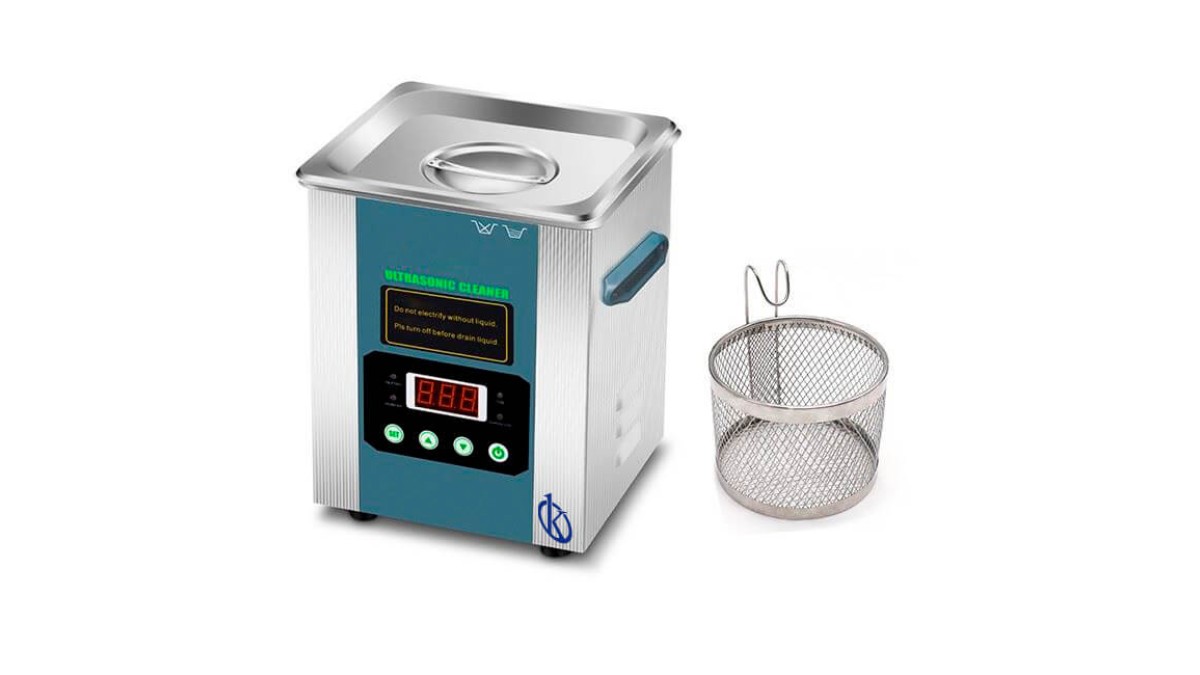
Digital Display Ultrasonic Cleaners: Practical User Guide 2026
What is it used for in 2026
Digital Display Ultrasonic Cleaners are essential tools in laboratories for the effective cleaning of various instruments and components. In 2026, these devices are widely used across multiple industries including medical, electronic, and manufacturing sectors. They utilize high-frequency sound waves to create microscopic bubbles in a cleaning solution, effectively removing contaminants from surfaces that are difficult to clean manually.
History and evolution of the technology
The technology behind ultrasonic cleaning has evolved significantly since its inception in the 1950s. Initially used for cleaning delicate items, advancements in transducer technology and digital control systems have broadened their applications. In 2026, modern ultrasonic cleaners are equipped with sophisticated digital interfaces, allowing for precise control over cleaning cycles, temperatures, and frequencies, catering to the specific needs of various laboratory environments.
How to use it step by step
Using a Digital Display Ultrasonic Cleaner involves the following steps:
- Preparation: Gather items to be cleaned and ensure they are compatible with ultrasonic cleaning.
- Fill the Tank: Fill the cleaning tank with an appropriate cleaning solution, ensuring it covers the items completely.
- Set Parameters: Use the digital display to set the cleaning time and temperature according to the manufacturer's recommendations.
- Start Cleaning: Turn on the cleaner and allow it to run for the set duration.
- Rinse and Dry: After cleaning, remove the items, rinse them with distilled water, and dry them properly before storage or use.
Best techniques and protocols
To optimize cleaning efficiency with Digital Display Ultrasonic Cleaners in 2026, follow these best techniques:
- Choose the correct cleaning solution based on the material and type of contaminants.
- Do not overcrowd the tank; allow adequate space for the ultrasonic waves to circulate.
- Use baskets or fixtures to hold items securely in place during the cleaning process.
- Regularly maintain and calibrate the ultrasonic cleaner to ensure consistent performance.
Practical applications by laboratory type
Different laboratories may utilize Digital Display Ultrasonic Cleaners in various ways:
- Medical Laboratories: For cleaning surgical instruments and lab glassware.
- Electronic Laboratories: For cleansing circuit boards and electronic components without damage.
- Jewelry Workshops: For restoring luster to jewelry pieces without using harsh chemicals.
- Automotive Workshops: For cleaning engine parts and carburetors efficiently.
Regulations, standards and certifications
In 2026, laboratories using Digital Display Ultrasonic Cleaners must adhere to various regulations and standards, such as:
- ISO 9001 for quality management.
- CE certification for safety and compliance within the European market.
- FDA regulations for cleaning medical and surgical instruments to ensure patient safety.
Comparison with alternative technologies
While Digital Display Ultrasonic Cleaners are highly effective, they should be compared to alternative cleaning technologies like:
- Steam Cleaning: Effective for surface cleaning but less effective for intricate parts.
- Chemical Cleaning: Often requires harsh chemicals that can be environmentally hazardous.
- Manual Cleaning: Time-consuming and labor-intensive compared to automated ultrasonic cleaning.
Comparison of available models
| Model | Best for | Key specs | Recommended use case |
|---|---|---|---|
| YR05208 | Jewelry and small instruments | 2L capacity, 40kHz frequency, 70W power | Ideal for personal use and small labs. |
| YR05209 | Home and small lab use | 2L capacity, 40kHz frequency, 70W power | Best for regular jewelry cleaning. |
| YR05212 | General laboratory use | 4.5L capacity, 40kHz frequency, 180W power | Suitable for cleaning a variety of lab tools. |
| YR05213 | Medium-sized laboratories | 6.8L capacity, 40kHz frequency, 180W power | Great for cleaning larger equipment. |
| YR05214 | Heavy-duty laboratory cleaning | 11L capacity, 40kHz frequency, 240W power | Perfect for cleaning heavy equipment and instruments. |
| YR05215 | Industrial cleaning | 15L capacity, 40kHz frequency, 360W power | Excellent for large laboratory setups. |
Common mistakes and how to avoid them
Common mistakes when using Digital Display Ultrasonic Cleaners include:
- Using the wrong cleaning solution — always verify compatibility.
- Overloading the tank — ensure items have sufficient space for optimal cleaning.
- Neglecting maintenance — regular checks and calibration are essential to maintain efficiency.
Maintenance, calibration and good practices 2026
To ensure the longevity and effectiveness of Digital Display Ultrasonic Cleaners, follow these maintenance tips:
- Clean the tank and transducers regularly to prevent residue buildup.
- Check electrical connections and calibrate settings periodically.
- Store the unit in a dry environment to prevent corrosion.
Cost-benefit analysis 2026
Investing in a Digital Display Ultrasonic Cleaner can yield significant benefits:
- Time efficiency compared to manual cleaning methods.
- Reduced labor costs with automated cleaning solutions.
- Extended lifespan of instruments due to thorough cleaning.
Frequently asked questions
What types of items can be cleaned using a Digital Display Ultrasonic Cleaner?
Digital Display Ultrasonic Cleaners can effectively clean a variety of items including jewelry, medical instruments, electronic components, and automotive parts, provided they are compatible with ultrasonic cleaning.
How do I choose the right model for my lab?
Consider factors such as the size of items to be cleaned, cleaning capacity, and the specific requirements of your laboratory when selecting a model. Smaller models may suffice for personal or light use, while larger models are suitable for heavy-duty cleaning.
Can I use any cleaning solution in an ultrasonic cleaner?
No, it is crucial to use cleaning solutions that are specifically designed for ultrasonic cleaners to avoid damaging items or the unit itself.
How often should I maintain my ultrasonic cleaner?
Regular maintenance should be performed every few months, or more frequently based on usage. This includes cleaning the tank, checking the transducers, and calibrating settings.
What is the average lifespan of a Digital Display Ultrasonic Cleaner?
With proper maintenance, a Digital Display Ultrasonic Cleaner can last several years. Most high-quality models are designed for durability and long-term use.
Is ultrasonic cleaning safe for delicate items?
Yes, ultrasonic cleaning is generally safe for delicate items, but it's important to test compatibility and follow the manufacturer's guidelines for the specific items being cleaned.
Where can I request a quote for a Digital Display Ultrasonic Cleaner?
You can easily request a quote for a Digital Display Ultrasonic Cleaner by contacting our customer service or visiting our website for detailed options and pricing.
If you are looking for a fusion of innovation and quality, you have come to the right place. At Kalstein, we offer you the luxury of exploring our exclusive catalog of laboratory equipment. We manufacture every device to the highest standards of excellence. Our intuitive and seamless online purchasing channels are designed for your convenience, securing the most competitive prices. Hesitate no longer — we bring science to life, it is time to become part of our community.