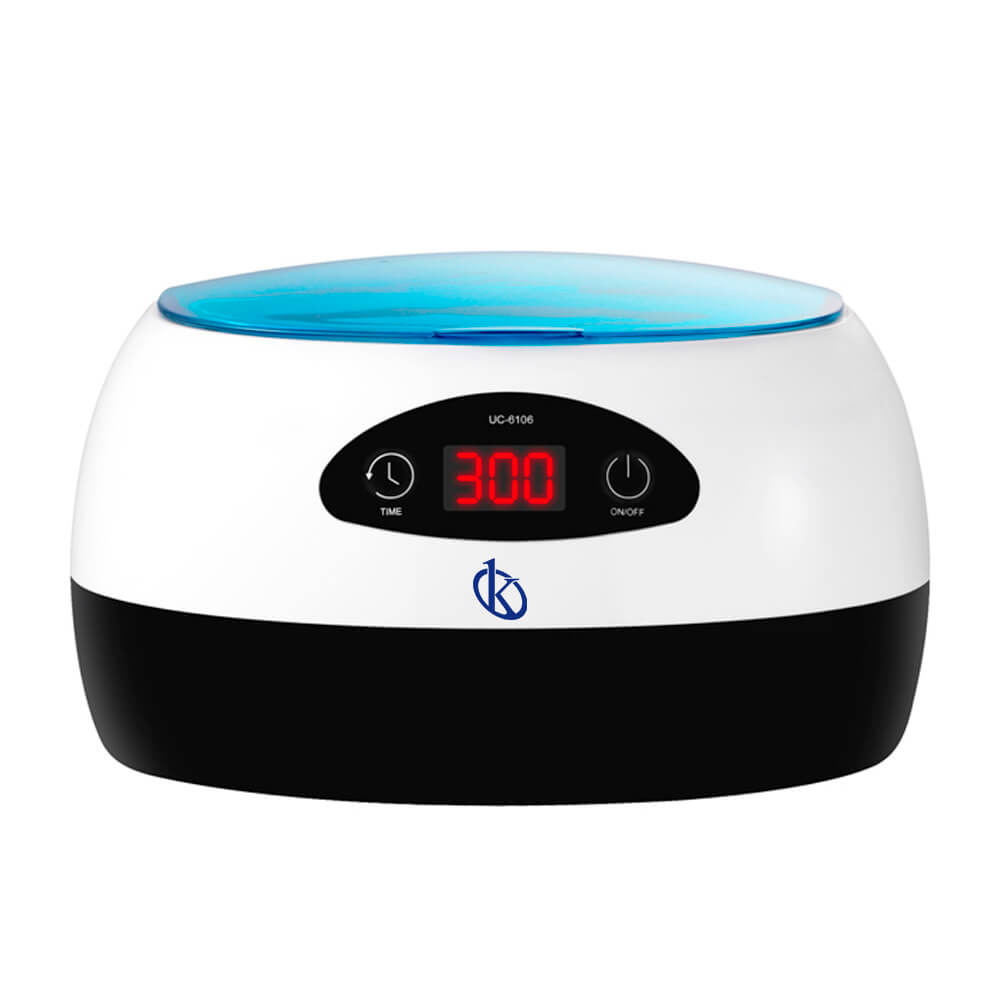
How Digital Desktop Ultrasonic Cleaners Enhance Energy Sustainability and Reduce Environmental Footprint
In today’s world, energy sustainability and minimizing environmental impact are paramount concerns, especially within laboratory settings. Digital desktop ultrasonic cleaners, such as the models YR05231, YR05232, YR05229, and YR05230, represent innovative technological solutions that not only improve cleaning efficiency but also align with sustainability goals. This article delves into the features of various models, analyzing how they can contribute to energy efficiency and reduce the overall environmental footprint.
Energy Sustainability and Environmental Impact in Ultrasonic Cleaning
Ultrasonic cleaners have revolutionized the cleaning processes in laboratories, providing efficient and thorough cleaning capabilities. With increasing regulations and standards regarding energy use and environmental impact, understanding how digital desktop ultrasonic cleaners contribute to these goals is critical. These devices operate by generating high-frequency sound waves in a liquid solution, creating microscopic bubbles that collapse and produce a powerful scrubbing action to remove contaminants.
Each model in the digital desktop ultrasonic cleaner category offers unique features that cater to varying needs while emphasizing energy sustainability. Factors such as energy consumption, tank capacity, and construction materials play crucial roles in determining their environmental footprint.
Comparison of Available Models
| Model | Tank Capacity (ml) | Power Consumption (W) | Frequency (KHz) | Best For |
|---|---|---|---|---|
| YR05231 | 750 | 50 | 42 | Jewelry and small items |
| YR05232 | 1400 | 60 | 40 | Jewelry with intricate designs |
| YR05229 | 600 | 50 | 42 | Lens cleaning and small devices |
| YR05230 | 2500 | 60 | 42 | Dental instruments and jewelry |
Reducing Energy Consumption with Ultrasonic Technology
The energy consumption of ultrasonic cleaners is a crucial factor in their sustainability profile. For instance, the YR05231 model operates at 50W and has a tank capacity of 750 ml, making it ideal for small jewelry cleaning tasks. Its design minimizes energy waste while maximizing cleaning efficiency. By utilizing advanced materials, these models are engineered to consume less power without compromising their cleaning capabilities.
When comparing models, it becomes clear that larger capacity models like the YR05230, which has a capacity of 2500 ml and a power consumption of 60W, may seem less energy-efficient at first glance. However, for high-demand environments such as dental clinics, the ability to clean more items in one cycle can result in significant time and energy savings over multiple cleaning sessions.
Lifecycle Assessment of Digital Desktop Ultrasonic Cleaners
Performing a lifecycle assessment (LCA) is essential to understand the environmental impacts of ultrasonic cleaners from production to disposal. The materials used in construction, such as ABS plastic and stainless steel, can significantly affect the overall footprint. The YR05232 model, for example, is constructed with environmentally friendly materials that enhance its durability and recyclability, thereby minimizing waste.
Laboratories should prioritize models that not only offer excellent cleaning capabilities but also demonstrate lower environmental impact throughout their lifecycle. Selecting such models can lead to broader compliance with sustainability regulations and enhance the laboratory’s overall eco-friendly initiatives.
Common Mistakes and How to Avoid Them
When integrating digital desktop ultrasonic cleaners into laboratory protocols, certain common mistakes can hinder sustainability efforts. One prevalent error is underestimating the importance of proper maintenance. Regularly cleaning the ultrasonic tank and ensuring optimal performance can significantly enhance energy efficiency and prolong the lifespan of the unit.
Another mistake is neglecting to calibrate the unit according to the specific cleaning needs. Each model, such as the YR05230, has adjustable settings for time and frequency that should be optimized for different cleaning tasks. This ensures that energy is not wasted on ineffective cleaning cycles.
Frequently Asked Questions
How does the YR05231 model contribute to energy sustainability in laboratories?
The YR05231 model operates at 50W and is designed for efficiency, making it perfect for small cleaning tasks. Its compact size and power usage contribute to overall energy sustainability in a laboratory setting.
Which features of the YR05232 enhance its environmental footprint reduction?
The YR05232 uses environmentally friendly materials in its construction and operates efficiently at 60W. Its larger tank capacity allows for cleaning multiple items at once, thus reducing total energy consumption.
What is the environmental impact of using the YR05230 ultrasonic cleaner?
The YR05230 model's durable materials and efficient energy usage at 60W reduce its environmental impact. Its large capacity is especially beneficial for high-demand operations like dental clinics, minimizing the need for multiple cleaning cycles.
How can I maximize the energy efficiency of my ultrasonic cleaner?
To maximize energy efficiency, use the adjustable settings on models like the YR05229 to tailor cleaning cycles to specific items. Regular maintenance also ensures optimal performance and longevity.
What role does tank capacity play in energy sustainability for ultrasonic cleaners?
Tank capacity affects the number of items cleaned per cycle. Larger models like the YR05230 allow for more items to be cleaned simultaneously, thereby conserving energy and time across multiple cleaning tasks.
How do ultrasonic cleaners compare to traditional cleaning methods in terms of sustainability?
Ultrasonic cleaners use less water and energy than traditional cleaning methods, making them more sustainable options. Models like the YR05231 demonstrate significant energy savings, especially in repetitive cleaning environments.
What are the key specifications to look for in energy-efficient ultrasonic cleaners?
When selecting an energy-efficient ultrasonic cleaner, consider the power consumption (W), tank capacity (ml), and frequency (KHz). Models like YR05232 offer optimal specifications for reducing environmental impact while providing effective cleaning.
How can I implement a lifecycle assessment for my ultrasonic cleaner?
To conduct a lifecycle assessment, evaluate the materials used in the ultrasonic cleaner's construction, its energy consumption throughout its use, and its recyclability. Models like YR05230 are designed with sustainability in mind, making them ideal candidates for such assessments.
If you are looking for a fusion of innovation and quality, you have come to the right place. At Kalstein, we offer you the luxury of exploring our exclusive catalog of laboratory equipment. We manufacture every device to the highest standards of excellence. Our intuitive and seamless online purchasing channels are designed for your convenience, securing the most competitive prices. Hesitate no longer — we bring science to life, it is time to become part of our community.