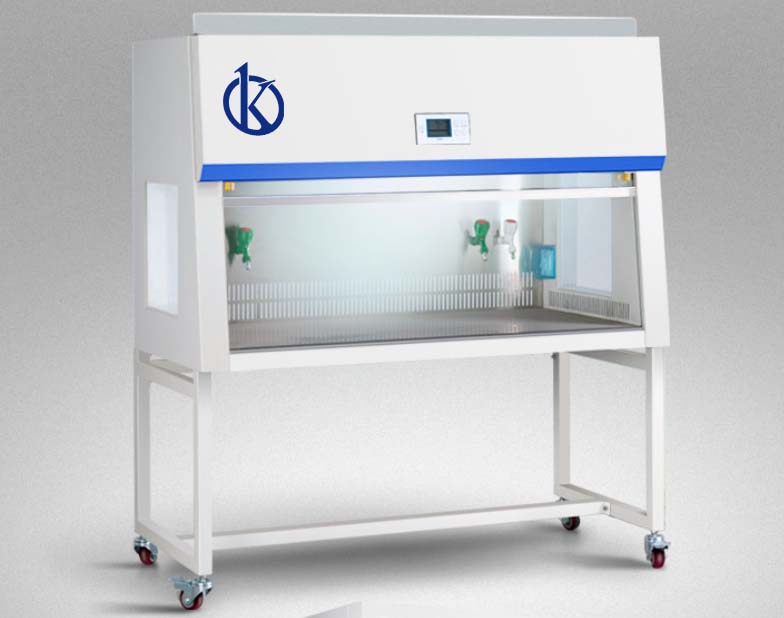
Cost-Benefit Analysis and ROI for Vertical Laminar Flow Clean Benches
In the laboratory environment, ensuring both safety and efficiency is paramount. Vertical laminar flow clean benches play a critical role in creating a sterile workspace. This article focuses on the cost-benefit analysis and return on investment (ROI) for various models of vertical laminar flow clean benches, detailing how each model can optimize laboratory operations.
Understanding the Importance of ROI in Laboratory Equipment
ROI is a fundamental metric for evaluating the financial performance of investments in laboratory equipment. In the case of vertical laminar flow clean benches, understanding the initial investment costs compared to operational costs and long-term benefits is crucial. This analysis can guide laboratory managers in decision-making and budgeting, ensuring the right tools are selected for their specific needs.
Cost-Benefit Metrics to Consider
When evaluating vertical laminar flow clean benches, several metrics should be considered:
- Initial Investment (CAPEX): The upfront cost of acquiring the equipment.
- Operational Costs (OPEX): Costs associated with running the equipment, including maintenance and energy consumption.
- Payback Period: The time it takes for the investment to pay for itself through savings or increased productivity.
- Cost per Test or Sample: The average expense incurred for each test conducted in the clean bench.
Comparison of Available Models
| Model | CAPEX (USD) | Cost per Test (USD) | Payback Period (Months) | Recommended Scenario |
|---|---|---|---|---|
| YR05267-1 | 1600.00 | 2.00 | 12 | Biotechnology and Pharmaceutical Labs |
| YR05734 | 240.00 | 0.50 | 6 | Aseptic Environments |
| YR05735 | 300.00 | 0.60 | 7 | Health and Medical Laboratories |
| YR05736 | 420.00 | 1.50 | 10 | Research Facilities |
| YR05737 | 650.00 | 1.80 | 15 | Complex Laboratory Tasks |
| YR05738 | 590.00 | 1.75 | 14 | Comprehensive Testing Environments |
Common Mistakes and How to Avoid Them
Laboratory managers often encounter challenges when selecting equipment like vertical laminar flow clean benches. Common mistakes include:
- Ignoring Long-Term Costs: Focusing solely on the initial purchase price can lead to higher expenses later on.
- Not Evaluating Specific Needs: Each laboratory has unique requirements; ignoring these can result in inadequate performance.
- Overlooking Maintenance Requirements: Regular maintenance is essential to ensure longevity and efficiency.
Thoroughly analyzing the total cost of ownership, including both CAPEX and OPEX, is crucial for making informed decisions.
Frequently Asked Questions
How can I assess the ROI of a vertical laminar flow clean bench like model YR05737?
To assess the ROI of model YR05737, consider its initial investment of $650. Evaluate the ongoing costs, such as energy consumption and maintenance, against the increase in productivity it brings to your laboratory. Analyzing these factors can help determine the payback period, which in this case is approximately 15 months.
What are the operating costs associated with model YR05267-1 in a biotechnology lab?
The operating costs for model YR05267-1, priced at $1600, involve energy usage and maintenance expenses. It is estimated that the cost per test is around $2.00, making it a cost-effective choice for biotechnology labs that require high safety standards.
Which vertical laminar flow clean bench is best for aseptic environments?
Model YR05734, with a price of $240, is highly recommended for aseptic environments. Its cost per test is only $0.50, and it has a payback period of just 6 months, making it an excellent investment for labs focused on sterility and cleanliness.
What factors affect the payback period of vertical laminar flow clean benches?
The payback period for vertical laminar flow clean benches is influenced by initial investment costs, operational efficiency, and the volume of work conducted. For instance, model YR05736 has a payback period of 10 months due to its efficient design and competitive pricing of $420.
How does energy consumption impact the ROI of laminar flow clean benches?
Energy consumption significantly impacts the ROI of laminar flow clean benches. For example, models like YR05737 and YR05738 incorporate energy-efficient features, reducing operational costs and leading to a faster payback period, which enhances overall ROI.
What maintenance actions are critical for ensuring the longevity of model YR05735?
To ensure the longevity of model YR05735, regular maintenance should include checking the HEPA filter and ensuring that the airflow is optimal. This model requires consistent upkeep for maintaining its operational efficiency and extending its lifespan.
How do I determine the best vertical laminar flow clean bench for my lab's needs?
To determine the best model for your lab, evaluate specific requirements such as the nature of work, expected throughput, and available budget. Models like YR05267-1 and YR05734 offer excellent performance based on different laboratory scenarios.
What are the installation requirements for vertical laminar flow clean benches?
Installation requirements for vertical laminar flow clean benches generally include a clean, stable surface and access to power outlets. Specific models, like YR05736, may require additional space for air circulation and should be placed away from airflow disruptions.
If you are looking for a fusion of innovation and quality, you have come to the right place. At Kalstein, we offer you the luxury of exploring our exclusive catalog of laboratory equipment. We manufacture every device to the highest standards of excellence. Our intuitive and seamless online purchasing channels are designed for your convenience, securing the most competitive prices. Hesitate no longer — we bring science to life, it is time to become part of our community.