Constant Temperature and Humidity Chamber: Best Practices and Techniques 2026
What is it used for in 2026
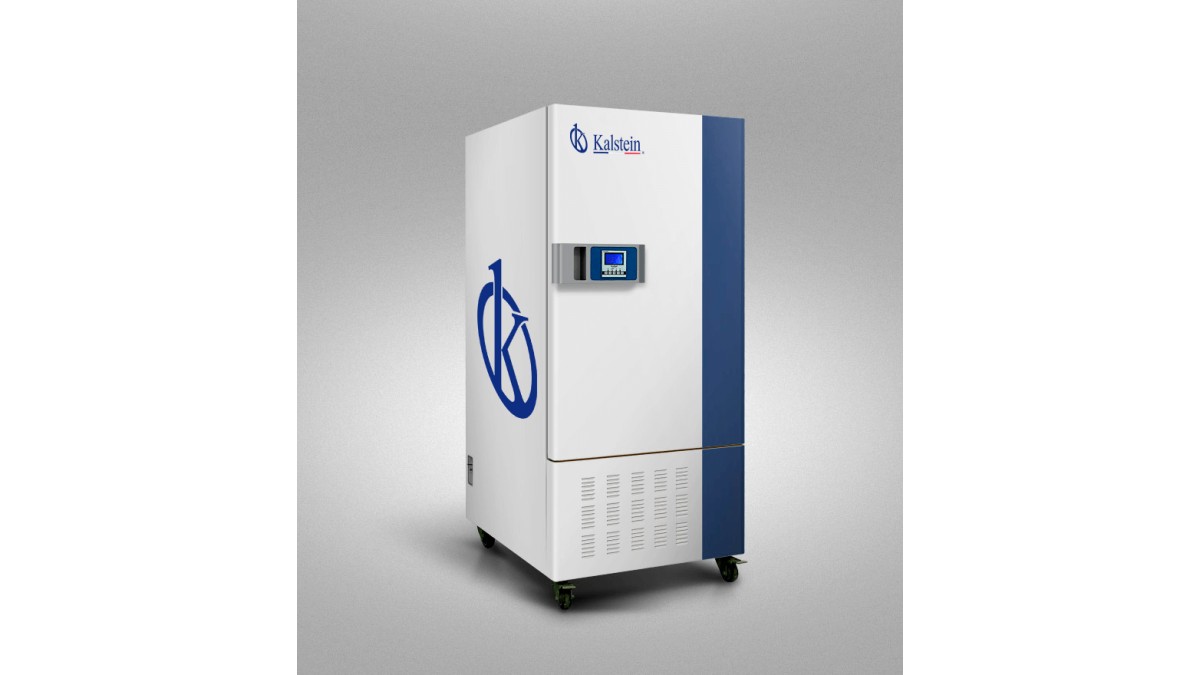
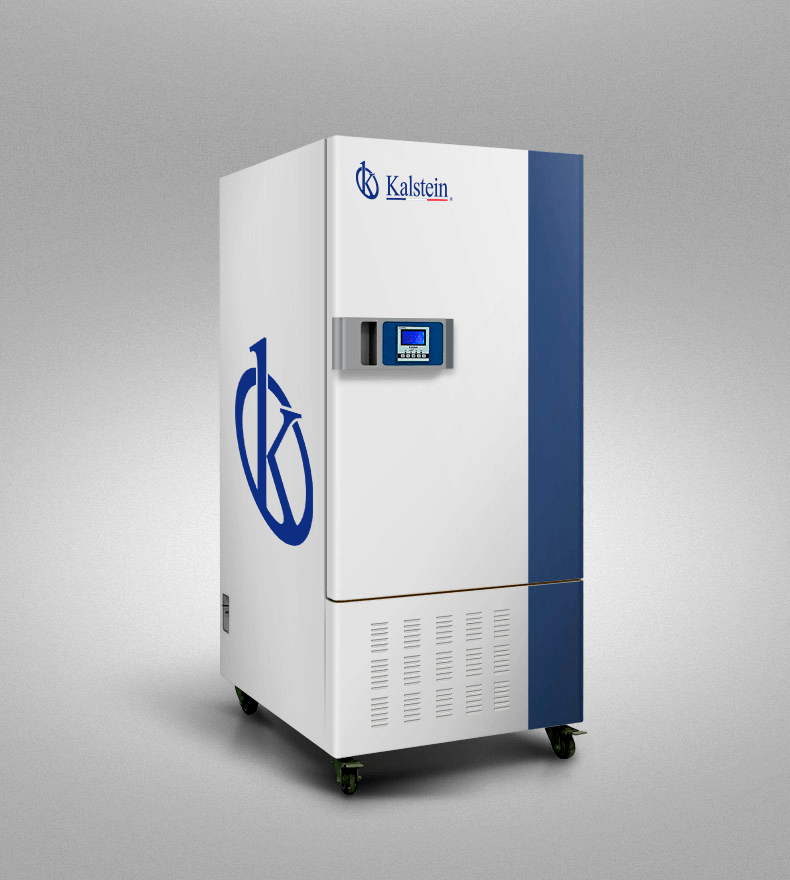
The Constant Temperature and Humidity Chamber is an essential piece of equipment for laboratories that require precise environmental control. In 2026, these chambers are primarily used for conducting various tests, including sample testing, shelf life studies, long-term experiments, and the cultivation of plants, seeds, and microorganisms. The ability to simulate diverse climatic conditions makes them vital in scientific research, pharmaceutical development, and agricultural studies.
History and evolution of the technology
The technology behind Constant Temperature and Humidity Chambers has evolved significantly over the years. Initially, simple temperature control systems were used, but advancements in digital technology and automation have led to the development of sophisticated PID (Proportional-Integral-Derivative) control systems. These systems enhance temperature stability and humidity control, allowing for more accurate and repeatable testing conditions. The chambers have also become more energy-efficient, providing a sustainable solution for laboratories worldwide.
How to use it step by step
Using a Constant Temperature and Humidity Chamber effectively involves several key steps:
- Set Up: Ensure the chamber is placed in a stable environment away from direct sunlight or drafts. Plug in and power on the unit.
- Calibration: Before use, calibrate the chamber to ensure accurate measurements. Use a certified thermometer and hygrometer to check the internal conditions.
- Program Settings: Use the control panel to set the desired temperature and humidity levels. Utilize the programmable PID control system for accuracy.
- Load Samples: Carefully place samples inside the chamber, ensuring there is adequate airflow around them.
- Monitoring: Continuously monitor the conditions through the LED display and make adjustments as necessary.
- Data Logging: Record data for analysis. Many modern chambers allow for data exporting for further study.
- Shutdown: After testing, follow proper shutdown procedures to ensure the longevity of the equipment.
Best techniques and protocols
To maximize the effectiveness of Constant Temperature and Humidity Chambers, follow these best practices:
- Regularly calibrate equipment to maintain accuracy.
- Ensure samples are spaced adequately to avoid heat or humidity interference.
- Use data logging features to track performance over time.
- Implement routine maintenance checks to prevent equipment failures.
- Follow standardized testing protocols for consistency across experiments.
Practical applications by laboratory type
Different laboratory types utilize Constant Temperature and Humidity Chambers for various applications:
- Pharmaceutical Labs: Used for stability testing of drug formulations.
- Research Institutions: Ideal for long-term plant growth experiments and genetic studies.
- Food Industry: Employed in shelf-life studies to determine product longevity.
- Agricultural Labs: Used for seed germination studies under controlled conditions.
Regulations, standards and certifications
In 2026, laboratories using Constant Temperature and Humidity Chambers must adhere to relevant regulations and standards, including:
- ISO 9001 for quality management systems.
- ISO 17025 for laboratory competence and testing accuracy.
- CE certification for safety and performance in certain markets.
Compliance with these standards ensures that laboratories maintain high-quality practices and reliable results.
Comparison with alternative technologies
While Constant Temperature and Humidity Chambers are essential, alternatives exist, such as:
- Environmental Chambers: Offer broader environmental control but may lack precision.
- Refrigerated Incubators: Primarily focus on temperature control without humidity adjustments.
- Walk-in Chambers: Used for larger samples but at a higher cost and energy consumption.
Choosing the right technology depends on specific laboratory needs, including the size of samples and testing requirements.
Comparison of available models
| Model | Best for | Key specs | Recommended use case |
|---|---|---|---|
| YR05334 | Long-term experiments and plant cultivation | 0~60℃, 40~95% RH, PID control | Ideal for scientific research and testing stability. |
| YR05335 | Sample testing and shelf-life studies | 0~60℃, 40~95% RH, PID control | Effective for pharmaceuticals and food products. |
| YR05336 | Laboratory experiments and microbial studies | 0~60℃, 40~95% RH, PID control | Recommended for long-term microbial testing. |
| YR05337 | Plant research and genetic studies | 0~60℃, 40~95% RH, PID control | Perfect for agricultural research applications. |
| YR05338 | Quality control and product testing | 0~60℃, 40~95% RH, PID control | Used in quality assurance processes. |
| YR05339 | Comprehensive research applications | 0~60℃, 40~95% RH, PID control | Flexible use in various laboratory settings. |
Common mistakes and how to avoid them
Laboratories often encounter mistakes while using Constant Temperature and Humidity Chambers. Here are common issues and ways to avoid them:
- Incorrect Calibration: Regularly calibrate equipment to ensure accurate readings.
- Poor Sample Arrangement: Ensure adequate space for airflow and temperature uniformity.
- Ignoring Maintenance: Follow a routine maintenance schedule to prolong equipment life.
- Not Following Protocols: Adhere to established protocols for consistency in results.
Maintenance, calibration and good practices 2026
Proper maintenance and calibration are crucial for the longevity and reliability of Constant Temperature and Humidity Chambers. Best practices include:
- Perform monthly calibrations using certified tools.
- Clean the interior regularly to avoid contamination.
- Inspect seals and insulation to ensure efficiency.
- Log maintenance activities for tracking equipment performance.
Cost-benefit analysis 2026
When investing in Constant Temperature and Humidity Chambers, consider the following:
- Initial Costs: Assess the purchase price against the budget.
- Operating Costs: Analyze energy consumption and maintenance needs.
- Benefits: Evaluate how improved accuracy and reliability may lead to better research outcomes and cost savings in the long term.
Investing in high-quality chambers can lead to significant advantages in research efficiency and data reliability.
Frequently asked questions
What should I consider when choosing a Constant Temperature and Humidity Chamber?
Consider factors such as the temperature and humidity range, chamber size, programming capabilities, and the specific applications you need it for.
How often should I calibrate my Constant Temperature and Humidity Chamber?
It's advisable to calibrate your chamber at least once a month or before any critical experiments to ensure accurate results.
Can I use the chamber for both temperature and humidity tests simultaneously?
Yes, Constant Temperature and Humidity Chambers are designed to manage both temperature and humidity levels simultaneously, making them ideal for various testing scenarios.
What maintenance practices are essential for these chambers?
Regular cleaning, calibration, and inspection of seals and insulation are critical maintenance practices to ensure optimal performance.
Are there specific protocols to follow when using the chamber for plant cultivation?
Yes, follow established protocols for light cycles, watering, and nutrient delivery to ensure healthy plant growth in controlled environments.
What are the energy consumption considerations for these chambers?
Evaluate energy efficiency ratings and operational costs when selecting a chamber, as this can impact long-term operating expenses.
How can I ensure the accuracy of my experimental results?
Ensure rigorous calibration, regular maintenance, and adherence to standardized testing protocols to maintain result accuracy.
If you are looking for a fusion of innovation and quality, you have come to the right place. At Kalstein, we offer you the luxury of exploring our exclusive catalog of laboratory equipment. We manufacture every device to the highest standards of excellence. Our intuitive and seamless online purchasing channels are designed for your convenience, securing the most competitive prices. Hesitate no longer — we bring science to life, it is time to become part of our community.