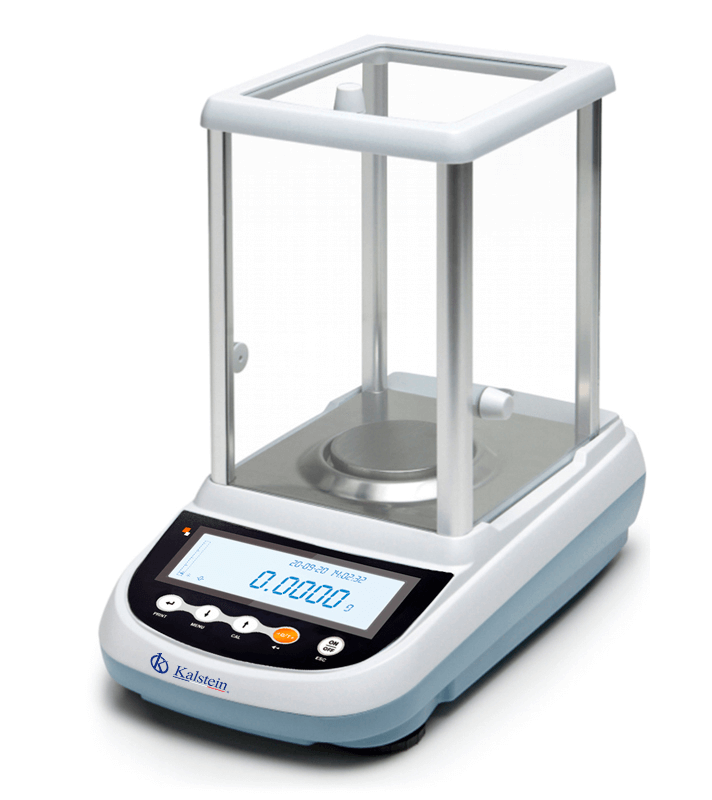
How to Ensure Compliance with ISO/IEC Standards Using Analytical Balances
In today's laboratory environment, ensuring compliance with ISO/IEC standards is paramount for maintaining high-quality results and operational efficiency. Analytical balances play a crucial role in achieving this compliance due to their precision and reliability. This article delves into the various ISO/IEC standards relevant to laboratory practices and how different models of analytical balances assist in meeting these regulatory requirements.
Understanding ISO/IEC Standards and Their Importance
ISO/IEC standards provide guidelines that laboratories must follow to ensure quality control and assurance. These standards, such as ISO 17025, focus on the competence of testing and calibration laboratories and the validity of their results. Compliance ensures that laboratories produce reliable and reproducible data, which is essential in scientific research and industry applications.
How Analytical Balances Support ISO/IEC Compliance
Analytical balances are designed with high precision and advanced features that are essential for meeting the requirements of various ISO/IEC standards. Features such as internal calibration, high readability, and stability are crucial in ensuring that measurements taken are accurate and traceable, aligning with the stipulations of ISO 17025 and other standards.
Key ISO/IEC Standards Relevant to Analytical Balances
Some key standards include:
- ISO 17025: This standard outlines the requirements for laboratory competence, emphasizing the importance of accurate measurement.
- IEC 61010: This standard focuses on the safety of electrical equipment used in measurement, ensuring that analytical balances are safe for operators.
- ISO 15189: This standard is specific to medical laboratories and outlines the quality management system requirements applicable to laboratories, relevant for analytical balances in clinical settings.
Comparison of Available Models
| Model | ISO/IEC Clauses Covered | Traceability Features | Best For |
|---|---|---|---|
| YR05568 | ISO 17025 | Internal Automatic Calibration | High-precision measurements |
| YR05569 | ISO 17025 | Internal Automatic Calibration | Laboratories requiring stability |
| YR05570 | ISO 17025, IEC 61010 | Traceable calibration weights | General laboratory use |
| YR05571 | ISO 15189, IEC 61010 | External calibration options | Medical laboratories |
| YR05572 | ISO 17025 | Reliable internal calibration | Research and development |
| YR05573 | ISO 17025 | Integrated calibration functions | Gold jewelry measurement |
Common Mistakes and How to Avoid Them
Laboratory professionals often encounter common mistakes when using analytical balances, which can impact compliance with ISO/IEC standards. One common mistake is neglecting the calibration of balances, which can lead to inaccurate measurements. To avoid this, it is crucial to regularly check calibration settings and ensure that the analytical balance is adjusted based on the manufacturer's specifications. Additionally, improper handling of samples can lead to contamination and erroneous results. Always ensure that proper techniques are employed to handle samples and maintain a clean work environment.
Key Features to Look for in Analytical Balances for Compliance
When selecting an analytical balance for regulatory compliance, consider the following features:
- Internal Calibration: Models like the YR05568 and YR05569 offer automatic internal calibration that enhances reliability.
- Precision and Readability: A balance with high readability, such as 0.1 mg, is crucial for achieving accurate measurements.
- Stability: Look for models that provide stability within a few seconds to reduce measurement errors.
- Environmental Controls: A balance with an air draft shield, like the YR05571, minimizes the effects of environmental conditions on measurement accuracy.
Frequently Asked Questions
What ISO standards should analytical balances comply with for laboratory use?
Analytical balances should comply with ISO 17025, which ensures their accuracy and reliability in laboratory settings. Models such as YR05570 and YR05572 are designed to meet such standards, providing internal calibration features that enhance compliance.
How can I verify the calibration of my analytical balance according to ISO standards?
To verify the calibration of an analytical balance, you should perform regular calibration checks using certified weights. Models like YR05571 include external calibration options, making it easier to ensure compliance with ISO standards.
Which analytical balance is best for compliance in medical laboratories?
The YR05571 model is ideal for compliance in medical laboratories, as it adheres to ISO 15189 standards, ensuring precision in medical testing. Its features support accurate and reliable measurements necessary for regulatory compliance.
How often should I calibrate my analytical balance for ISO compliance?
Calibration frequency depends on usage and manufacturer recommendations, but it is often advised to calibrate analytical balances before usage and periodically throughout the day. The YR05569 model’s internal calibration helps maintain compliance with ISO standards.
What are the traceability features essential for analytical balances?
Traceability features include internal and external calibration capabilities, as seen in models like YR05568 and YR05571. These features ensure that measurements can be traced back to national or international standards, crucial for ISO compliance.
What role does environmental control play in using analytical balances?
Environmental control is vital for maintaining measurement accuracy. Models such as the YR05572 come equipped with air draft shields that help minimize fluctuations caused by air currents, ensuring compliance with ISO 17025.
How can I ensure the reliability of measurements taken with analytical balances?
To ensure reliability, use calibration weights regularly, and perform maintenance checks on models like YR05570. Regular calibration helps maintain compliance with ISO/IEC standards and ensures accurate measurements.
What is the impact of using improper handling techniques on analytical balances?
Improper handling can lead to contamination, measurement errors, and ultimately non-compliance with ISO standards. Proper techniques, as recommended for models like YR05571, help minimize these risks and ensure accurate results.
Conclusion
Ensuring compliance with ISO/IEC standards is a multifaceted process that plays a crucial role in the accuracy and reliability of laboratory results. By selecting the right analytical balance, such as the YR05568 or YR05571, and adhering to proper operational protocols, laboratories can maintain compliance and uphold the highest quality standards in their operations.
If you are looking for a fusion of innovation and quality, you have come to the right place. At Kalstein, we offer you the luxury of exploring our exclusive catalog of laboratory equipment. We manufacture every device to the highest standards of excellence. Our intuitive and seamless online purchasing channels are designed for your convenience, securing the most competitive prices. Hesitate no longer — we bring science to life; it is time to become part of our community.