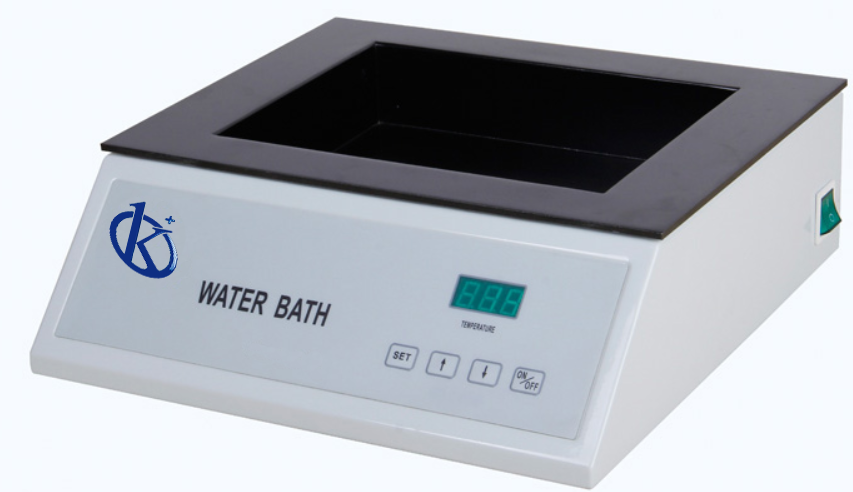
Comparative Analysis of Tissue Water Baths: Understanding Their Advantages Over Alternative Technologies
Tissue water baths are essential tools in various laboratory settings, particularly within pathological anatomy. As laboratories continuously seek efficiency and precision, understanding the comparative advantages of different tissue water baths over alternative technologies is critical. This article delves into the specifications, functionalities, and practical applications of the leading tissue water bath models: YR449, YR451, and YR452.
Understanding the Importance of Tissue Water Baths
Tissue water baths serve vital roles in laboratory applications such as histology, pathology, and biomedical research. Their primary function is to maintain a stable temperature for tissue samples, which is crucial for ensuring accurate experimental results. The selection of an appropriate water bath model can significantly influence the quality and reproducibility of laboratory work.
Comparison of Available Models
| Model | Temperature Range (°C) | Power Consumption (W) | Precision (°C) | Best for |
|---|---|---|---|---|
| YR449 | RT to 90 | 200 | ±1 | General histology applications |
| YR451 | 0 to 85 | 400 | ±1 | Advanced tissue processing |
| YR452 | RT to 75 | 500 | ±1 | Research and academic settings |
Advantages of Using Tissue Water Baths Over Alternative Technologies
When compared to alternative technologies such as dry baths or heated plates, tissue water baths offer unique advantages. They provide uniform temperature distribution, preventing hot spots that can compromise sample integrity. Moreover, water baths can accommodate larger sample volumes, making them more versatile for various applications.
Technical Comparison: YR449, YR451, and YR452
Each water bath model presents distinct technical features that cater to different laboratory requirements:
- YR449: Known for its rapid heating capabilities and energy efficiency, this model is ideal for routine histology tasks. It operates silently and features a digital display for easy temperature monitoring.
- YR451: Equipped with a more advanced control system and LED lighting, it allows real-time monitoring of temperature variations. This model is particularly suited for laboratories requiring precise temperature control.
- YR452: This model excels in multifunctionality, providing both heating and drying capabilities. It is particularly valuable in research institutions where diverse applications are common.
Evaluating ROI: Cost-Benefit of Tissue Water Baths
Cost analysis plays a crucial role in equipment selection. Here’s a breakdown of the initial investment and long-term benefits:
| Model | Initial Cost (USD) | Annual Operating Costs (USD) | Estimated Lifespan (Years) |
|---|---|---|---|
| YR449 | 400 | 50 | 5 |
| YR451 | 800 | 70 | 5 |
| YR452 | 950 | 90 | 5 |
The YR449 model stands out as the most cost-effective option, especially for laboratories focused on maintaining tight budgets.
Common Mistakes and How to Avoid Them
Choosing the wrong water bath can lead to inefficiencies and compromised results. Common mistakes include:
- Underestimating the temperature range needed for specific applications.
- Focusing solely on price rather than long-term operational costs.
- Neglecting to consider the laboratory’s workflow and space requirements.
To avoid these pitfalls, labs should conduct thorough assessments of their specific needs and match them against the specifications of each model.
Frequently Asked Questions
How does the temperature control accuracy of YR449 compare to other tissue water baths?
The YR449 model offers a temperature control accuracy of ±1°C, which is comparable to other models such as YR451 and YR452. This precision is suitable for various laboratory processes, ensuring reliable results in tissue analysis.
What energy consumption can I expect from the YR451 tissue water bath?
The YR451 tissue water bath has a power consumption of 400W, making it slightly more energy-intensive than the YR449. However, its advanced features justify the consumption for labs requiring precise temperature control and monitoring.
Which model offers the best value for academic research environments?
For academic research environments, the YR452 is often preferred due to its multifunctionality and precise control. Its ability to maintain temperatures between RT and 75°C makes it versatile for various experimental requirements.
How do tissue water baths compare to dry baths in terms of performance?
Tissue water baths, such as YR449, provide better temperature uniformity compared to dry baths, leading to more reliable results. This uniformity is crucial in sensitive applications like histology and tissue processing.
What is the typical lifespan of a tissue water bath like the YR451?
The YR451 model typically has an estimated lifespan of around five years with regular maintenance, which is standard for laboratory equipment of this nature. Proper care can extend its operational efficiency.
Are there specific safety protocols to follow when using YR452?
When using the YR452, it's essential to follow standard safety protocols such as ensuring proper grounding and avoiding water spillage on electrical components. This model's design mitigates risks, but caution is always advised in laboratory environments.
What are the main factors influencing the purchase decision for tissue water baths?
Main factors include temperature range, precision, energy consumption, and specific laboratory applications. Models like YR449 and YR451 cater to different needs, influencing the selection process based on laboratory requirements.
If you are looking for a fusion of innovation and quality, you have come to the right place. At Kalstein, we offer you the luxury of exploring our exclusive catalog of laboratory equipment. We manufacture every device to the highest standards of excellence. Our intuitive and seamless online purchasing channels are designed for your convenience, securing the most competitive prices. Hesitate no longer — we bring science to life, it is time to become part of our community.