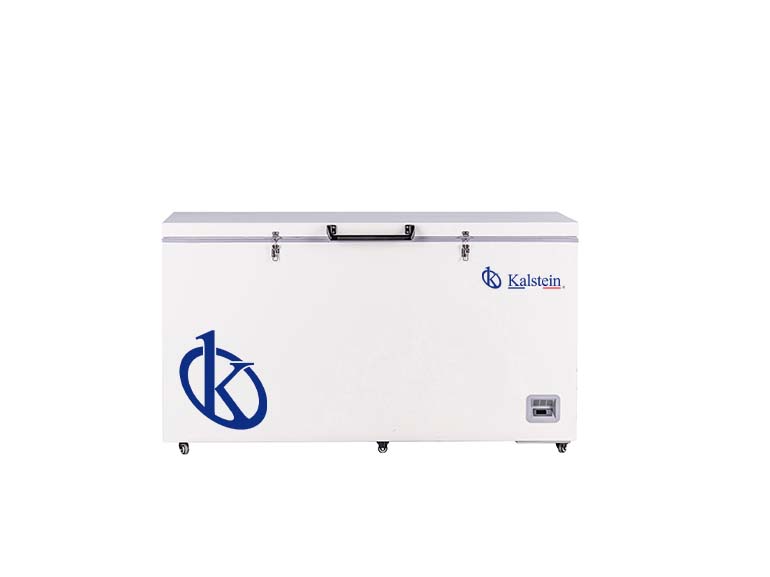
In the realm of laboratory equipment, ultra low temperature (ULT) freezers play a critical role in preserving biological samples, pharmaceuticals, and other sensitive materials. Today, we delve into a detailed comparison between the Ultra Low Temperature Chest Freezer -86C Self Cascade System YR05314 by Kalstein and the HBC-150 model by Haier. Both products offer state-of-the-art features designed to meet the rigorous demands of scientific research, but subtle differences might influence your choice depending on specific needs.
The Kalstein ULT Freezer YR05314 is renowned for its advanced self-cascade refrigeration system, ensuring a stable and consistent temperature down to -86°C. Ideal for long-term storage of biological samples, this model features superior insulation, user-friendly controls, and energy-efficient operation. The Haier HBC-150, on the other hand, also offers a robust cooling system that reaches ultra-low temperatures suitable for similar applications, although with different energy consumption metrics and storage capacity.
| Feature | Kalstein Ultra Low Temperature Chest Freezer -86C Self Cascade System YR05314 | Haier HBC-150 |
|---|---|---|
| Temperature Range | Down to -86°C | Down to -86°C |
| Refrigeration System | Self Cascade | Cascade |
| Energy Efficiency | High | Moderate |
| Storage Capacity | Optimized for large volume | Smaller capacity |
| User Interface | Advanced digital controls | Basic analog controls |
How They Work
The Kalstein Ultra Low Temperature Chest Freezer operates using a self-cascade system, which combines different refrigerants to progressively lower the temperature. This method provides stability and minimizes temperature fluctuations, essential for the preservation of sensitive samples. The system is highly energy-efficient, contributing to reduced operational costs over time.
The Haier HBC-150 utilizes a traditional cascade refrigeration system, which also employs multiple refrigerants to achieve ultra-low temperatures. While effective, this system can be somewhat less efficient when compared to the self-cascade technology employed by Kalstein, potentially leading to higher energy consumption.
Purpose
Both the Kalstein YR05314 and Haier HBC-150 are designed for the secure storage of biological materials, pharmaceuticals, and specimens that require stringent temperature control. These freezers are crucial in research laboratories, hospitals, universities, and pharmaceutical companies, where maintaining the integrity of samples is paramount.
Types
The ULT freezers featured here are chest models, offering deep storage capabilities which maximize the use of space. Each model differs slightly in the specifics of capacity and internal design, affecting the amount and size of storage containers that can be housed inside.
Market Pricing
The market price for ultra low temperature freezers varies widely based on features, capacity, and energy efficiency. The Kalstein YR05314, known for its high efficiency and advanced features, typically falls into a premium price category reflecting its advanced technology. Meanwhile, the Haier HBC-150, while still a reputable and dependable choice, may be priced slightly lower due to its different set of features and capacities.
Frequently Asked Questions
How much energy do these freezers consume?
The Kalstein model is equipped with energy-efficient technology that reduces overall consumption, making it a cost-effective choice over time. The Haier model consumes more energy due to its standard cascade system.
Are the freezers compatible with standard laboratory conditions?
Both models are compatible with standard lab environments, but the Kalstein design includes more advanced control features that enhance user interaction and accessibility in diverse conditions.
What maintenance is required for these freezers?
Regular maintenance includes monitoring temperature settings, cleaning the interior, and checking seals and hinges. The Kalstein model, with its advanced systems, requires less frequent maintenance checks due to built-in alerts and diagnostics.
Advantages and Disadvantages
The Kalstein Ultra Low Temperature Chest Freezer stands out with its self-cascade system, offering enhanced energy efficiency, superior temperature stability, and advanced user interface. These features make it an ideal long-term investment for laboratories prioritizing cost-effective and reliable equipment. Conversely, the Haier HBC-150 provides strong performance but may incur higher energy costs and less overall efficiency in prolonged use practices.
Use of Product in the Field
In practical applications, the Kalstein freezer proves invaluable for research facilities needing consistent ultra-low temperatures. Its intuitive design and alerts system ensure that users can focus on their research without worrying about equipment failure. The Haier model serves a similar purpose but might require more frequent monitoring to ensure optimal performance.
Recommendations
For laboratories focused on energy efficiency and reliability, the Kalstein model is a wise choice. Regular monitoring and minimal maintenance are recommended to prolong the lifespan of the freezer. Investing in high-quality power outlets and an uninterruptible power supply (UPS) can further secure your samples against unexpected power fluctuations.
If you're seeking a blend of innovation and quality, you've come to the right place. At Kalstein, we offer you the luxury of exploring our exclusive catalog of laboratory equipment. We manufacture each device to a level of excellence. Our intuitive and agile online purchasing channels are designed for your convenience, ensuring the most competitive prices. Don't hesitate any longer, we bring science to life; it's time to join our community. https://kalstein.africa/product/ultra-low-temperature-chest-freezer-86c-self-cascade-system-yr05314/.