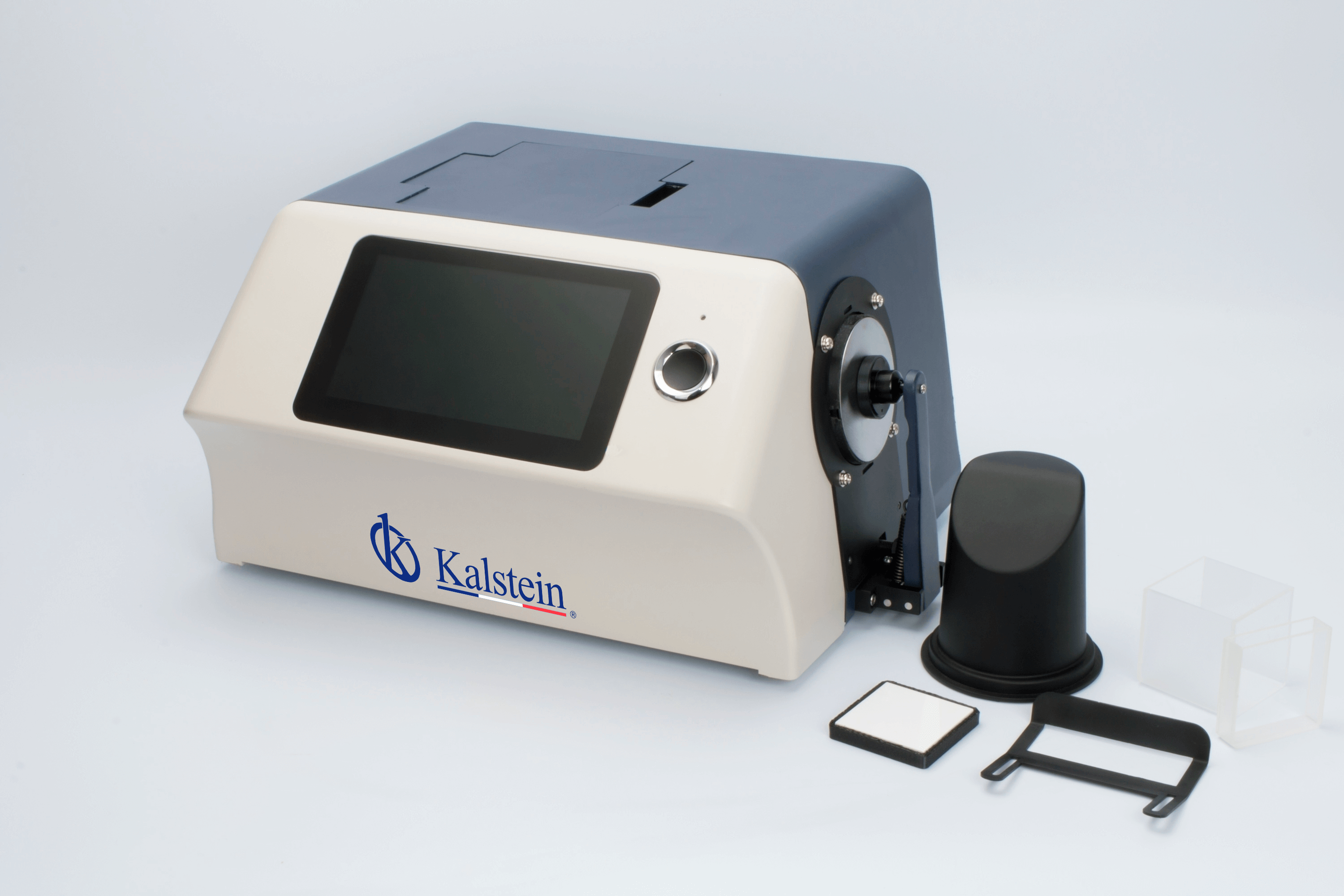
Comparative Analysis of Benchtop Spectrophotometers: Choosing the Best Model for Your Laboratory Needs
In analytical laboratories, the choice of spectrophotometer can significantly impact the quality and efficiency of tests performed. Benchtop spectrophotometers, known for their precision in color measurement, offer a range of models, each with unique features. This article provides a comparative analysis of various benchtop spectrophotometers, focusing on key specifications, application areas, and how they perform against alternative technologies in the market.
Understanding the Importance of Benchtop Spectrophotometers
Benchtop spectrophotometers are essential instruments for quantitative and qualitative analysis across a variety of laboratory environments. These devices measure the intensity of light as a function of its wavelength, enabling researchers to determine the concentration of substances in solutions. Applications span industries such as pharmaceuticals, food and beverage, and environmental monitoring. Selecting the right model involves understanding its capabilities in providing accurate measurements, ease of use, and compatibility with existing laboratory workflows.
Comparison of Available Models
| Model | Price (USD) | Optical Geometry | Best Suited For |
|---|---|---|---|
| YR05474 | 6430.00 | d/8 Reflectance, d/0 Transmittance | R&D Analysis |
| YR05475 | 4695.00 | d/8 Reflectance, d/0 Transmittance | Laboratory Testing |
| YR05476 | 6430.00 | d/8 Reflectance, d/0 Transmittance | Color Analysis |
| YR05477 | 4695.00 | d/8 Reflectance, d/0 Transmittance | Color and Appearance Measurement |
| YR05478 | 4445.00 | d/8 Reflectance, d/0 Transmittance | Quality Control in Various Industries |
| YR05482 | 4950.00 | 45/0 Non-contact | Precise Color Measurement |
Comparative Performance of Key Models
When selecting a benchtop spectrophotometer, various factors play a crucial role. Performance metrics such as measurement stability, calibration frequency, and ease of integration into existing laboratory setups need thorough consideration. The YR05474 offers advanced features, including extensive storage capacity and user-friendly software, making it ideal for R&D environments. In contrast, the YR05475 provides a cost-effective solution without compromising on essential capabilities, making it suitable for routine laboratory testing.
Addressing Common Mistakes When Choosing a Benchtop Spectrophotometer
Laboratory professionals often face pitfalls while selecting spectrophotometers. One common mistake is overlooking the specific application requirements. For instance, while the YR05476 and YR05478 are both excellent for color analysis, their specifications differ significantly, which may not suit all laboratory needs. It's crucial to match the spectrophotometer's features, such as optical geometry and wavelength range, to the intended applications to ensure optimal performance.
Benefits of Advanced Measurement Technologies Over Traditional Methods
Modern benchtop spectrophotometers, such as the YR05482, utilize non-contact methods which can drastically reduce contamination risks and sample wastage. This is particularly beneficial in food and beverage industries where hygiene is paramount. Compared to traditional spectrophotometers, these advancements not only enhance measurement accuracy but also streamline the workflow, allowing for greater throughput in busy laboratory settings.
Integration of Benchtop Spectrophotometers into Laboratory Workflows
Effective integration of spectrophotometers into laboratory workflows can enhance productivity and reduce turnaround times. Models like the YR05475 and YR05476 come equipped with software that allows for seamless data sharing and analysis. This capability is essential for laboratories looking to implement digital transformation strategies, ensuring that data remains accessible and actionable throughout the organization.
Common Applications and Best Practices for Using Spectrophotometers
Benchtop spectrophotometers serve diverse applications, from quality control in manufacturing to research in academic settings. Best practices include regular calibration to ensure accuracy, establishing standard operating procedures for measurements, and maintaining the instruments to prevent drift. Additionally, understanding the specific spectral characteristics of samples can lead to more precise and reliable results.
Frequently Asked Questions
What are the main features to consider in a benchtop spectrophotometer?
When selecting a benchtop spectrophotometer, consider features such as optical geometry, wavelength range, measurement stability, and software compatibility. Models like the YR05474 offer advanced touchscreens and extensive storage, making them suitable for complex color analysis tasks.
How does the YR05482 Non-contact model improve measurement accuracy?
The YR05482 utilizes a 45/0 optical geometry which ensures that measurements are made without direct contact with the sample. This design minimizes contamination risks and enhances the precision of measurements, particularly useful for liquids and powders.
What applications are best suited for the YR05476 benchtop spectrophotometer?
The YR05476 is designed for color analysis in R&D and quality control laboratories. Its robust features make it ideal for ensuring compliance with industry standards while delivering accurate and reliable results across various applications.
How can I integrate a benchtop spectrophotometer into my existing lab setup?
Integrating a benchtop spectrophotometer like the YR05475 into your lab involves ensuring compatibility with existing data management systems and training staff on new software features. Proper integration increases efficiency and enhances data accessibility across the organization.
What are the key differences between the YR05474 and YR05475 models?
While both the YR05474 and YR05475 feature similar optical geometries, the YR05474 offers superior storage capacity and enhanced software functionality. In contrast, the YR05475 presents a more cost-efficient solution without sacrificing essential performance attributes, making it suitable for routine applications.
Which benchtop spectrophotometer is best for color quality control in textiles?
The YR05478 is ideal for color quality control in textiles due to its precision in color measurement and analysis capabilities tailored for reflective and translucent materials, ensuring compliance with industry standards.
How often should I calibrate my benchtop spectrophotometer?
Calibration frequency depends on usage, but it’s advisable to calibrate your spectrophotometer at least monthly, or more frequently if used in high-demand environments. Regular calibration ensures ongoing reliability and accuracy in measurement results.
What is the cost structure for using benchtop spectrophotometers in laboratories?
The cost structure for using benchtop spectrophotometers varies by model. Initial investment ranges from $4,445 to $6,430, with ongoing operational costs for maintenance, calibration, and consumables significantly impacting overall expenditure in laboratory settings.
If you are looking for a fusion of innovation and quality, you have come to the right place. At Kalstein, we offer you the luxury of exploring our exclusive catalog of laboratory equipment. We manufacture every device to the highest standards of excellence. Our intuitive and seamless online purchasing channels are designed for your convenience, securing the most competitive prices. Hesitate no longer — we bring science to life, it is time to become part of our community.