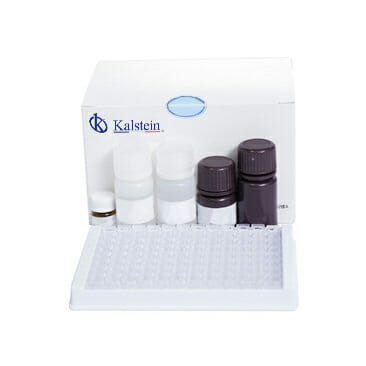
Clinical Chemistry Reagents: Best Techniques and Protocols 2026
Clinical Chemistry Reagents are indispensable tools in modern laboratories, enabling the precise analysis of biochemical substances in various samples. This article explores the practical applications, best techniques, and evolving protocols associated with these reagents in the year 2026.
What is it used for in 2026
In 2026, Clinical Chemistry Reagents are utilized for a multitude of biochemical analyses. These reagents facilitate the assessment of liver function, cardiac enzyme levels, renal function, and electrolyte balance in blood gases. Their reliability makes them essential in both clinical diagnostics and research laboratory settings. Utilization spans diagnostics for diseases, monitoring patient health, and conducting research in medical and biochemical fields.
History and evolution of the technology
The technology behind Clinical Chemistry Reagents has evolved significantly over the decades. Starting from simple colorimetric reactions to sophisticated automated systems, the reagents have transformed laboratory diagnostics. Innovations in formulation and analytical techniques have enhanced accuracy and reduced the time needed for test results. The integration of automation in laboratory workflows has further improved efficiency and throughput.
How to use it step by step
Using Clinical Chemistry Reagents effectively involves several key steps:
- Preparation: Gather necessary samples and ensure reagents are within their expiry date.
- Calibration: Calibrate the analytical equipment according to manufacturer specifications for accurate results.
- Sample Processing: Prepare samples according to the reagent's protocol. Ensure proper volume and handling to avoid contamination.
- Testing: Follow the specific testing method recommended for each reagent, such as IFCC or enzymatic methods.
- Analysis: Analyze results using the laboratory management software or manual calculations as necessary.
- Documentation: Record results accurately and maintain proper logs for compliance and reference.
Best techniques and protocols
In 2026, the best practices for utilizing Clinical Chemistry Reagents involve:
- Adopting standardized testing protocols to ensure consistent results.
- Implementing regular training for laboratory personnel on new methods and equipment.
- Using control samples to validate testing accuracy and reliability.
- Monitoring reagent storage conditions to maintain efficacy.
- Following safety protocols to handle chemicals responsibly.
Practical applications by laboratory type
Clinical Chemistry Reagents find applications in various laboratory settings:
- Clinical Laboratories: Used primarily for diagnosing diseases through blood tests.
- Research Laboratories: Helps in biochemical research and development of new therapeutics.
- Veterinary Laboratories: Applied in testing animal health and diagnostics.
- Quality Control Laboratories: Ensures the quality and reliability of reagents and testing protocols.
Regulations, standards and certifications
Compliance with regulatory standards is critical. Laboratories must adhere to guidelines provided by organizations such as:
- ISO (International Organization for Standardization)
- CLIA (Clinical Laboratory Improvement Amendments)
- FDA (Food and Drug Administration)
These bodies ensure that reagents and laboratory practices maintain high quality and safety standards.
Comparison with alternative technologies
When comparing Clinical Chemistry Reagents with other technologies such as immunoassays and molecular diagnostics, it is essential to consider:
- Cost Efficiency: Chemical reagents often present a more cost-effective solution compared to complex molecular techniques.
- Speed: Reagents generally provide faster turnaround times for results.
- Ease of Use: Many reagents require less specialized training compared to advanced technologies.
Comparison of available models
| Model | Best for | Key specs | Recommended use case |
|---|---|---|---|
| YRA1 | Liver Function Tests | R1:48mlx2, R2:12mlx2, 120ml | Recommended for ALT testing |
| YRA2 | Cardiac Enzyme Tests | R1:48mlx2, R2:12mlx2, 120ml | Recommended for AST testing |
| YRA3 | Enzyme Analyses | R1:48mlx2, R2:16mlx2, 128ml | Recommended for GGT testing |
| YRA4 | Protein Level Tests | R:20mlx8, 160ml | Recommended for ALB testing |
| YRA5 | Bilirubin Tests | R1:48mlx2, R2:12mlx2, 120ml | Recommended for TBIL testing |
| YRA6 | Bilirubin Tests | R1:48mlx2, R2:12mlx2, 120ml | Recommended for TBIL testing via oxidation |
Common mistakes and how to avoid them
Common mistakes in using Clinical Chemistry Reagents include:
- Improper Sample Handling: Ensure that samples are collected and stored correctly to avoid degradation.
- Incorrect Reagent Measurements: Use precise measuring tools to ensure accurate reagent volumes.
- Neglecting Calibration: Regular calibration of instruments is vital for maintaining accuracy.
By staying vigilant and following best practices, laboratories can reduce errors and improve reliability.
Maintenance, calibration and good practices 2026
To ensure optimal performance, routine maintenance and calibration of equipment are crucial. Follow these practices:
- Regularly clean and maintain analytical instruments according to manufacturer requirements.
- Schedule calibration sessions at regular intervals and after major repairs.
- Keep a maintenance log to track service and calibration history.
Cost-benefit analysis 2026
A cost-benefit analysis in 2026 reveals that investing in high-quality Clinical Chemistry Reagents often results in greater accuracy and reliability, leading to better patient outcomes. While initial costs may be higher, the long-term savings through reduced errors and increased efficiency justify the investment. Additionally, the integration of these reagents into automated systems can further enhance laboratory throughput, making them a cost-effective choice for modern laboratories.
Frequently asked questions
What should I consider when choosing Clinical Chemistry Reagents?
Choose reagents based on the specific tests you need to perform, their compatibility with your equipment, and their reliability in delivering accurate results.
How can I ensure the accuracy of my test results?
Regularly calibrate your instruments, use control samples, and follow standard operating procedures to ensure consistent and accurate results.
What are the common applications of Clinical Chemistry Reagents?
They are commonly used in clinical laboratories for diagnosing diseases, monitoring health, and in research settings for biochemical analysis.
How often should reagents be calibrated?
Reagents should be calibrated at least every month, or whenever a new batch is opened, to ensure accuracy in testing.
Are there specific storage requirements for these reagents?
Yes, reagents should be stored in a cool, dry place, and conditions should be monitored to maintain their efficacy.
What mistakes can affect test results?
Improper sample handling, inaccurate measurements, and neglecting calibration can lead to erroneous test results.
How can I improve laboratory efficiency with Clinical Chemistry Reagents?
Implement automation where possible, train staff regularly, and maintain equipment to streamline processes and reduce turnaround time.
If you are looking for a fusion of innovation and quality, you have come to the right place. At Kalstein, we offer you the luxury of exploring our exclusive catalog of laboratory equipment. We manufacture every device to the highest standards of excellence. Our intuitive and seamless online purchasing channels are designed for your convenience, securing the most competitive prices. Hesitate no longer — we bring science to life, it is time to become part of our community.