
Benefits of Ultrasonic Cleaner for Dentistry

The ultrasonic cleaning system is a mechanism used to clean parts regardless of size and complexity, causing effective solutions. In addition, in the action of ultrasound, it operates for an effective chemical, otherwise they would only work to a small percentage of their possibilities, and depending on the dirt to be removed, an alkaline product, acid or solvent is used. Cleaning products should therefore be filtered, replaced or recovered in the case of a solvent.
Ultrasonic Cleaner: What are the different types that exist?

This equipment has a really amazing utility, not only in medical or aesthetic centers, but in the home; since its main function is to leave free of dirt and contamination metal instruments, both medical material or our keys of home and vehicle, owning an ultrasonic cleaner makes life easier and prolongs the life not only of the instruments but of your own health, currently with the appearance of highly dangerous viruses, it is indispensable to own a equipment such as the ultrasonic cleaner.
Ultrasonic cleaners and veterinary medicine
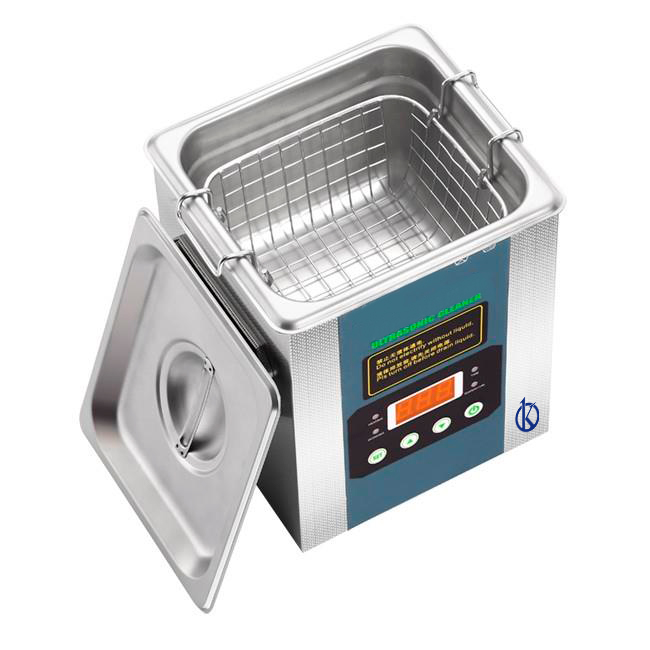
In the practice of veterinary medicine, various medical procedures are performed, both in the field and in offices. These routines include scheduled and emergency consultations, laboratory diagnoses, ambulatory surgeries and others requiring hospitalization, among others.
How does the ultrasonic cleaner for Gynecology work?
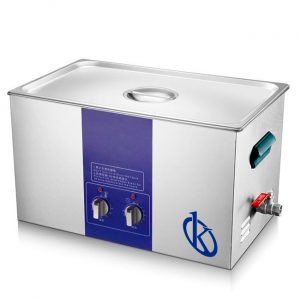
General gynecology is the medical specialty responsible for the health of the female reproductive system and provides comprehensive care for women’s health throughout their lives. In the practice of gynecology, infections and issues related to the uterus, vagina and ovaries are treated.
What is an ELISA reader used for?

An ELISA reader is a specialized spectrophotometer used to read the results of this technique, which is used to determine the presence of specific antibodies or antigens present in a sample. These laboratory equipment allows analyzing 96 wells or more with samples, so their use is very favorable to the laboratories, reducing reagents and samples used which leads to better performance.
The Elisa Technique for Disease Prognosis in Animals

The endemic diagnosis that allows a direct practice for the control and supervision of diseases in animals, it is necessary to monitor based on the importance of problem solving, which allows to provide more information on certain diseases in a primary way in states of high incidence, or where there is an active contagion of the infectious agent, so it is necessary to implement strategies to change the continuity of the various diseases that manage to be controlled to the benefit of these diseases.
How is the Elisa technique for detecting allergens in food?

Allergens are those substances that give way to allergic reactions, as a product of a response of the immune system to the appearance of foreign agents in the body. This reaction that occurs, does not happen in the same way in all people, occurs only with those sensitive to a specific antigen, which will make the immune system of the body captures them as dangerous or foreign, activating an inflammatory response to fight against them.
ELISA microplate reader: When do we need to use it?

An ELISA microplate reader is a spectrophotometer designed to read the results obtained from the ELISA, this technique is used in laboratories to determine the presence of specific antibodies or antigens in samples. The technique is based on the detection of an antigen or antibodies captured on a solid surface using direct or secondary, labeled antibodies, which produce a reaction whose product can be read by the spectrophotometer.
What technology does an ELISA microplate reader use?

An ELISA microplate reader is a laboratory instrument that is responsible for detecting and processing biological and chemical data by absorbance (ELISA, enzymatic activity and quantification of nucleic acids and proteins), luminescence and fluorescence detection modes, including intensity, TRF and polarization according to the model. They are useful laboratory tools used in drug discovery, research, immunologic testing, hormone detection, bioassay validation, and biopharmaceutical manufacturing.
Using the Microplate Reader for HIV Testing
A microplate reader is a device that involves different modes of activity and is widely used in the area of research and medicine for the detection of chemical, biological or physical abnormalities of a sample. This instrument allows to perform a wide variety of experiments simultaneously, among its main functions are, to make measurements of fluorescence, absorbance and luminescence. The ELISA technique requires a microplate reader to detect and diagnose diseases such as hepatitis B, cancer, Covid-19, and HIV, among others.