
The ion meters: what are they used for?

An ion meter is a device used in laboratories and industries to measure the concentration of ions in a solution, by using ion electrodes (ISE) thanks to its electrochemical activity. An ion selective electrode (ISE) is a kind of sensor that allows ion testing in various types of samples. The process that these electrodes work with is ion exchange, which measures the potential difference that is produced by the contact of the electrode with the ion being determined.
Food Analysis Using the Potassium Ion Meter
The potassium meter is a portable, safe and easy-to-use device. This device is essential for laboratory professionals and field technicians. This tool allows food quality records and provides a quick estimate of potassium concentration in foods from many applications.
What are the characteristics of an ion meter?

An ion meter is an electrochemical analytical device that is used to measure ion concentration in a solution. It is used with several ion electrodes (ISE).
How does a laboratory ion meter work?
An ion meter is an analytical and electrochemical instrument used to measure the concentration of ions in a solution, using ion electrodes (ISE).
A selective ion electrode is a kind of sensor that allows to test ions in various types of samples, whether environmental, pharmaceutical, biotechnological, food, agricultural, industrial, drinking water, wastewater among others. The most commonly tested ions include ammonia, nitrate, chloride, fluoride, calcium, sodium, potassium, silver, iodide, sulfide, lead, bromine, cadmium, copper and others.
Copper Ion Meters for Pool Disinfection
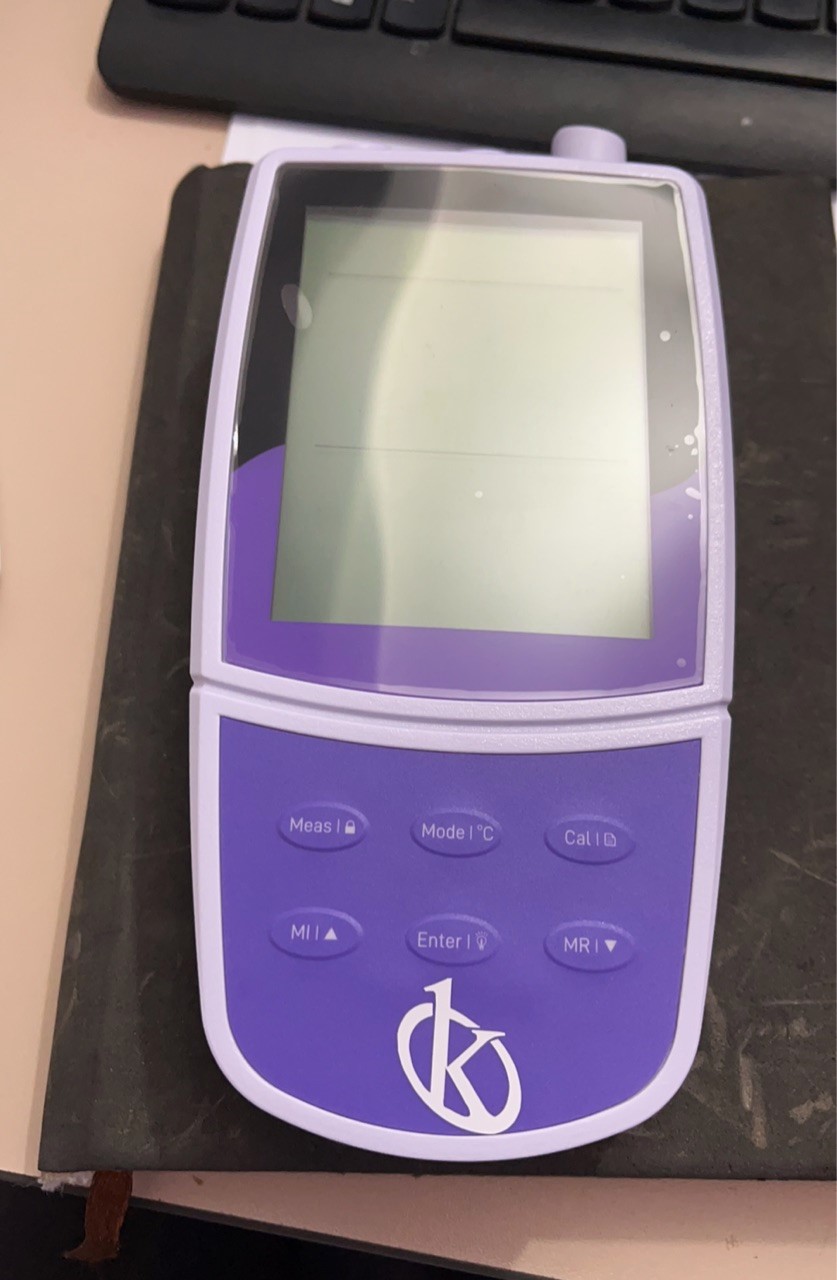
In recent years the use of chlorine for swimming pool disinfection has been replaced by ionization with copper or with the combination of copper and silver. This procedure is performed with copper ionizers. These devices use electrolysis to release copper ions into pool water, via an anode or electrode that is usually connected to the pipe that supplies water to the pool. These devices can be powered by a power supply or use solar panels to generate electricity.
Functions of pH Ion Meters in the Cosmetic Industry
In the manufacture of cosmetic products there are three essential aspects that must be addressed, the first, the elaboration of products pleasant to the touch and to the smell. The second is that they are efficient, that is, that these products improve the condition of the skin or hair and do not cause unfavorable effects. […]
What is the ion meter used for?

The ion meter is a piece of equipment used to detect the concentration or activity of ions in a solution. There are different types of ion meters; some are designed to measure a specific ion.
pH meter: what is it used for?
A pH meter is a laboratory instrument for scientific use, which measures the activity of the hydrogen ion in aqueous solutions, indicating its degree of acidity or alkalinity expressed as pH, is used in laboratories and in multiple other fields or areas; a pH measurement can be obtained using pH indicators or tapes, or meters such as pH meters, portable meters or pH electrodes.
Why is it necessary to use Heaters in the Laboratory?

One of the main equipment used in laboratories is the heating cloth, a device that ensures injury prevention and temperature regulation for the safety of workers and products in the laboratory. Heating blankets are used to heat liquids, as the temperature must be controlled to prevent damage to components, products and workers. The heating blanket is also used to regulate the temperature of liquids with a very high level of precision.
The Importance of Heating Blankets in the Laboratory

Heating blankets or agitators are essential equipment for many laboratory applications. These heating blankets offer the option of a uniform temperature for experiments, allowing the material to be constantly heated from a small volume to large quantities. This means that researchers can conduct experiments without worrying about temperature variation. Researchers can also use the heating blankets to perform many jobs at once without having to worry about the location of their experiments in the lab.