
Using the Patient Monitor as an Electronic Health Monitoring Tool
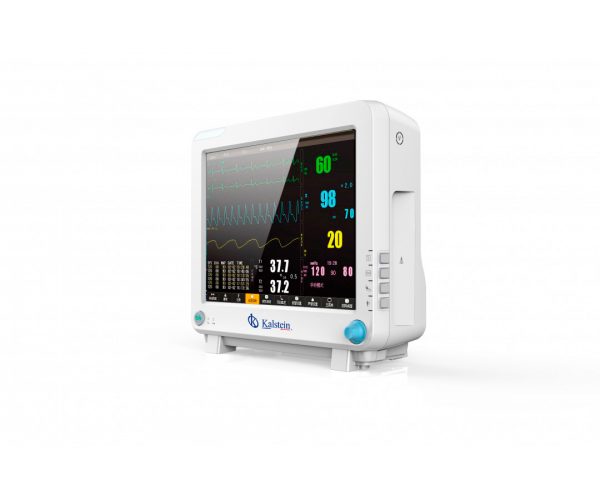
The patient monitor is one of the most important tools used in electronic health monitoring. This tool allows health care practitioners to monitor and record vital signs and other clinical indicators of a patient remotely. This allows for continuous monitoring of a patient’s health without having to be physically present each time.
How does a Thermocycler work?

In order to carry out the in vitro test of specific biological DNA samples, the Thermocycler, is aimed at the development and intervention in the discovery of basic molecules for life, together with DNA-related research, using the Polymerase Chain Reaction (PCR) process whose principle is based on reaching levels of temperatures determined over time intervals.
Real-time thermocycler: How does it work?

A real-time thermocycler is a molecular biology equipment widely used in the laboratories of this specialty. These devices carry out the polymerase chain reaction in real time (qPCR), that is to say they allow carrying out the PCR and at the same time they can absolutely quantify the product of the amplification.
What is a Thermocycler used for?

It is an apparatus that is used in molecular biology, allows to perform in an automated and sequential way the temperature cycles necessary to carry out the polymerase chain reaction (PCR) of DNA amplification; they are essential in any laboratory that depend onmolecular biology and quality in their studies.
How does a thermal cycler work?
A thermal cycler is a Molecular Biology Laboratory Equipment, used in the amplification of DNA molecules by the PCR technique (polymerase chain reaction), because it is capable of performing temperature cycles necessary for amplifying The DNA strands.
Real-time thermocyclist, what is it? and uses

A real-time thermocyclist is a specialized tool used in molecular biology laboratories to efficiently and quickly carry out real-time polymerase chain reaction (qPCR). This is achieved by automatic and cyclical temperature changes required for the amplification of a deoxyribonucleic acid (DNA) chain; from a thermostable enzyme.
What are the applications of Reagents

Reagents, which can be both natural and artificial, are chemicals that bind to bodies reacting to certain conditions. Within science they are usually used for research and determination of chemical species, amount of a bacterium in the water, any type of reaction, among others.
What are the most dangerous laboratory reagents and why ?

Laboratory reagents are one of the most important elements of chemistry laboratories. These reagents, also known as chemical reagents, can be incendiary or poisonous substances, so it is necessary that they are handled with care to avoid any unfortunate incident.
What is the purpose of phototherapy?

Phototherapy is a therapeutic methodology in which electromagnetic radiation (light) is used, with the aim of treating neonatal hyperbilirubinemia. Phototherapy causes the transformation of bilirubin into water-soluble photoisomers that can be excreted in feces and urine, without the need to conjugate in the liver….
What is jaundice? How is it treated?

Jaundice is the yellowing of the skin and mucous membranes caused by the accumulation or deposition of bilirubin. In newborns, the pathological increase in bilirubin is most often secondary to the destruction or lysis of red blood cells, since the concentration of these cells is higher…