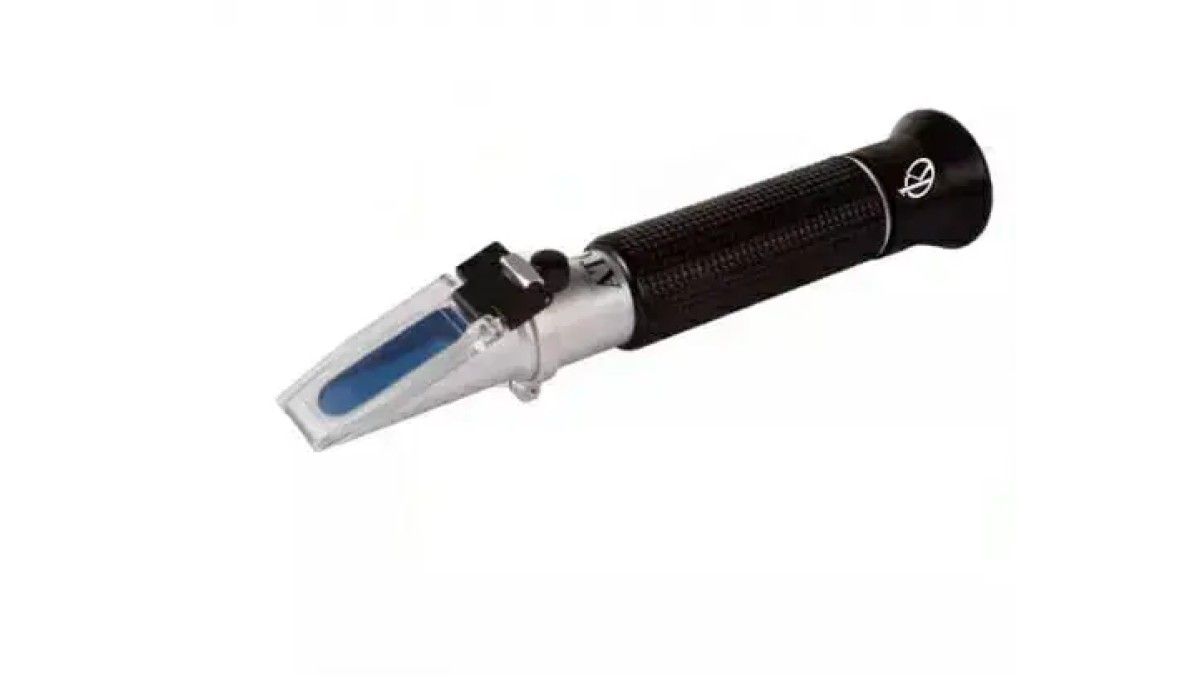
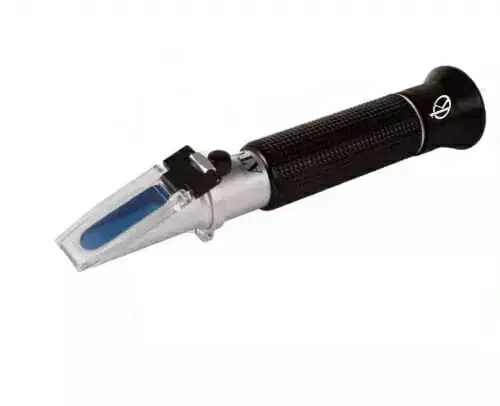
Car Refractometers: Practical Applications and Techniques 2026
Car refractometers are essential tools in automotive laboratories and maintenance facilities, primarily used for measuring the concentration of fluids such as antifreeze and windshield washer solutions. As we move into 2026, understanding their applications and effective usage becomes crucial for laboratory professionals.
What is it used for in 2026
In 2026, car refractometers are primarily utilized to determine the concentration of ethylene glycol and propylene glycol in coolant fluids, aiding in monitoring vehicle performance and ensuring optimal functionality. They allow technicians to assess the freezing point and the overall effectiveness of coolant solutions, which is vital for vehicle safety in varying weather conditions. Additionally, these instruments can analyze windshield washer fluids to ensure they are functioning effectively, thus enhancing visibility and safety while driving.
History and evolution of the technology
The technology behind refractometers dates back to the early 19th century with the advent of optics. Initially, simple glass prisms were used to measure light refraction. Over the decades, advancements in optical technology have led to the development of highly accurate refractometers, including specific models designed for automotive applications. The incorporation of Automatic Temperature Compensation (ATC) features in modern car refractometers allows for more precise measurements regardless of environmental conditions, enhancing usability in automotive diagnostics.
How to use it step by step
Using a car refractometer involves the following steps:
- Preparation: Ensure the refractometer is clean and calibrated. If necessary, recalibrate it according to the manufacturer’s instructions.
- Sample Collection: Collect a small sample of the fluid you wish to test, ensuring no contaminants are introduced.
- Application: Place a few drops of the fluid on the prism surface of the refractometer.
- Measurement: Close the cover plate gently and allow the fluid to spread evenly across the prism. Look through the eyepiece to observe the reading.
- Record Results: Take note of the refractive index or specific gravity readout and interpret it according to the refractometer’s scale.
Best techniques and protocols
To achieve the most accurate results with car refractometers, consider the following techniques:
- Maintain Consistent Temperature: Ensure that the refractometer is used in a temperature-controlled environment to avoid discrepancies due to temperature fluctuations.
- Regular Calibration: Calibrate the refractometer periodically to ensure its accuracy and reliability.
- Sample Handling: Use clean sampling tools to avoid cross-contamination and ensure the purity of the samples being tested.
Practical applications by laboratory type
Various laboratories utilize car refractometers for different applications:
- Automotive Repair Shops: Frequently use refractometers to check coolant and washer fluid concentrations.
- Quality Control Laboratories: Employ these devices to maintain standards in fluid production.
- Research Facilities: Use refractometers for studies involving fluid properties and thermal dynamics.
Regulations, standards and certifications
Car refractometers must adhere to specific industry standards to ensure safety and accuracy. Common certifications include ISO 9001 for quality management systems and CE marking for compliance with European safety standards. It is essential for laboratories to ensure their equipment meets these regulations to maintain credibility and trust in their testing processes.
Comparison with alternative technologies
While car refractometers are highly effective, alternative technologies such as digital refractometers and hydrometers exist. Digital refractometers provide quicker readings and enhanced accuracy through electronic sensors. Hydrometers, while potentially less accurate, are cost-effective for bulk fluid testing. However, car refractometers remain preferred for their specific design tailored to automotive applications.
Comparison of available models
| Model | Best for | Key specs | Recommended use case |
|---|---|---|---|
| YR05916 | Measuring concentration of ethylene glycol in coolants | Range: -60°C to 0°C, Precision: ±0.01sg | Automotive repair shops for coolant testing |
| YR05917 | Testing coolant and washer fluid | Range: -60°C to 0°C, Precision: ±0.01sg | Quality control in fluid production |
| YR05918 | Freeze point analysis for glycol solutions | Range: -60°F to 32°F, Precision: ±0.01sg | Research facilities for thermal dynamics studies |
| YR05919 | Evaluating windshield washer fluid | Range: -60°C to 0°C, Precision: ±0.01sg | Service centers focusing on vehicle safety |
| YR05920 | Checking antifreeze effectiveness | Range: -60°C to 0°C, Precision: ±0.01sg | Automotive maintenance and diagnostics |
| YR05921 | General fluid concentration measurement | Range: -60°C to 0°C, Precision: ±0.01sg | Broad applications in automotive labs |
Common mistakes and how to avoid them
A few common mistakes when using car refractometers include:
- Improper Calibration: Always calibrate before use to avoid inaccurate readings.
- Contaminated Samples: Ensure samples are collected and handled with clean tools to prevent cross-contamination.
- Ignoring Temperature Compensation: Make sure to use the ATC feature to account for any temperature variations during measurement.
Maintenance, calibration and good practices 2026
Regular maintenance and calibration are crucial for car refractometers:
- Daily Cleaning: Clean the prism and exterior with appropriate cleaning solutions after each use.
- Regular Calibration: Perform calibration checks weekly or monthly, depending on usage rates, to maintain accuracy.
- Store Properly: Keep refractometers in a protective case when not in use to prevent dust accumulation and physical damage.
Cost-benefit analysis 2026
Investing in car refractometers offers numerous benefits, including:
- Efficiency: Quickly determine fluid concentrations, leading to timely maintenance decisions.
- Accuracy: Provide reliable measurements that improve vehicle safety and longevity.
- Cost-Effective: Save money on coolant and fluid replacements by ensuring proper concentrations.
Frequently asked questions
What should I consider when choosing a car refractometer?
When selecting a car refractometer, consider the range of measurement, the precision offered, and whether it includes Automatic Temperature Compensation (ATC) features for accurate results.
How do I maintain my car refractometer?
Regularly clean the prism and body after each use, calibrate it periodically, and store it in a protective case when not in use to maintain its longevity.
What types of fluids can I measure with a car refractometer?
Car refractometers are primarily used to measure the concentration of coolant fluids, including ethylene glycol and propylene glycol, and windshield washer fluid concentrations.
How often should I calibrate my refractometer?
Calibration frequency depends on usage, but it is advisable to calibrate at least once a week or before critical measurements.
Can I use a car refractometer for other applications?
While primarily designed for automotive fluids, some models may be suitable for testing other liquid concentrations; however, verify the specifications before doing so.
How does temperature affect my measurements?
Temperature can significantly impact the refractive index of liquids; using a refractometer with ATC helps to adjust for these variations automatically.
Where can I purchase a reliable car refractometer?
You can request a quote on Kalstein Plus for various car refractometer models designed for automotive applications.
If you are looking for a fusion of innovation and quality, you have come to the right place. At Kalstein, we offer you the luxury of exploring our exclusive catalog of laboratory equipment. We manufacture every device to the highest standards of excellence. Our intuitive and seamless online purchasing channels are designed for your convenience, securing the most competitive prices. Hesitate no longer — we bring science to life, it is time to become part of our community.