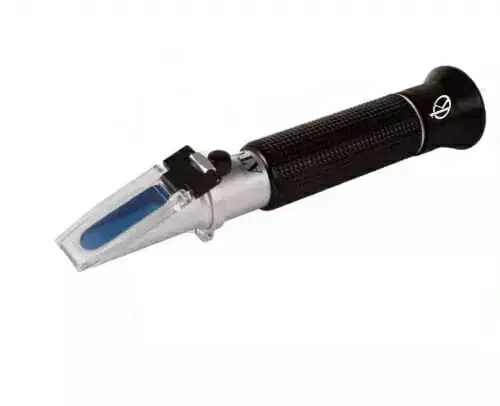
How Car Refractometers Contribute to Energy Sustainability and Environmental Footprint Reduction
As the automotive industry evolves, so does the technology that supports it. Car refractometers play a crucial role in ensuring efficient vehicle performance, particularly regarding coolant systems. These instruments not only help in maintaining optimal engine temperatures but also align with broader objectives of energy sustainability and environmental conservation. Understanding how these devices contribute to reducing the carbon footprint and improving energy efficiency is essential for laboratory professionals working in automotive applications.
Understanding the Impact of Car Refractometers on Energy Sustainability
Car refractometers are essential tools that measure the refractive index of coolant solutions, typically ethylene glycol or propylene glycol, to determine their concentration and freezing points. By enabling precise monitoring of coolant systems, these devices help prevent engine overheat, which can lead to increased fuel consumption and emissions. This capability is particularly vital as the automotive industry seeks to minimize its environmental impact.
Additionally, by using refractometers to ensure the correct concentration of coolant, automotive professionals can extend the lifecycle of these fluids, reducing waste and the frequency of coolant changes. This contributes to energy sustainability by lowering the demand for new materials and resources needed to produce these fluids.
Comparison of Available Models
| Model | Measurement Range | Accuracy | Best For |
|---|---|---|---|
| YR05916 | Ethylene: -60°C to 0°C, Propylene: -50°C to 0°C | ±0.01sg | General automotive coolant analysis |
| YR05917 | Ethylene: -60°C to 0°C, Propylene: -50°C to 0°C | ±0.01sg | General automotive coolant analysis |
| YR05918 | Ethylene: -60°F to 32°F, Propylene: -50°F to 32°F | ±0.01sg | Specialized in low-temperature environments |
| YR05919 | Ethylene: -60°C to 0°C, Propylene: -50°C to 0°C | ±0.01sg | General automotive coolant analysis |
| YR05920 | Ethylene: -60°C to 0°C, Propylene: -50°C to 0°C | ±0.01sg | General automotive coolant analysis |
| YR05921 | Ethylene: -60°C to 0°C, Propylene: -50°C to 0°C | ±0.01sg | General automotive coolant analysis |
How Car Refractometers Help Reduce Environmental Footprints
The environmental footprint of automotive operations can be significantly minimized through efficient coolant management. Car refractometers assist in achieving this by providing real-time data on coolant concentration and performance. By ensuring that coolant is maintained at optimal levels, vehicles operate more efficiently, leading to reduced fuel consumption and lower emissions.
Moreover, regular monitoring and analysis through refractometers can prevent leaks and failures in the coolant system, which can lead to catastrophic engine damage and costly repairs. This proactive approach not only conserves resources but also prevents hazardous materials from being released into the environment.
Identifying Common Mistakes and How to Avoid Them
One common mistake in the usage of car refractometers is neglecting to calibrate the device regularly. Calibration ensures accuracy and reliability in measurements, which are crucial for making informed decisions about coolant management. Another mistake is failing to interpret the results correctly; professionals should be trained to understand the implications of the refractive index readings accurately.
Lastly, overlooking the importance of using the right model for specific applications can lead to ineffective coolant analysis. For example, selecting a model ideal for low temperatures, like the YR05918, is critical when dealing with winter conditions to avoid freeze-ups.
Energy Savings from Efficient Coolant Management
Efficient coolant management can lead to substantial energy savings. By using car refractometers, laboratories can identify the optimal coolant concentrations that allow engines to run smoothly and efficiently. This not only enhances the performance of vehicles but also contributes to overall energy savings across the operation.
For instance, a well-maintained coolant system can lead to a decrease in engine load, resulting in less fuel consumption. The potential for energy savings can be quantified; studies indicate that optimizing a coolant system can lead to fuel savings of up to 10%, translating to fewer emissions and a reduced carbon footprint.
Frequently Asked Questions
How do car refractometers help in reducing energy consumption in the automotive industry?
Car refractometers, such as the YR05916, ensure coolant systems are optimized, which prevents overheating and reduces fuel consumption by up to 10%, ultimately lowering energy use.
What is the best model for analyzing low-temperature coolant applications?
The YR05918 model is specifically designed for low-temperature environments, making it ideal for analyzing coolants in cold weather conditions.
Which car refractometer offers the highest accuracy for engine coolant analysis?
Models like YR05916 and YR05917 offer high accuracy with ±0.01sg precision, making them excellent choices for precise engine coolant analysis.
How often should car refractometers be calibrated for optimal performance?
It is recommended to calibrate car refractometers at least once a month or as per manufacturer guidelines to ensure accurate readings, especially critical in automotive applications.
What are the environmental benefits of using car refractometers?
Car refractometers help reduce waste and extend the lifecycle of coolant fluids, contributing to lower environmental impact and resource conservation.
How can effective coolant management impact vehicle emissions?
Maintaining optimal coolant levels with devices like the YR05917 prevents engine overheating, thus reducing emissions and promoting better fuel efficiency.
Which models are best for comprehensive automotive coolant analysis?
The YR05916, YR05917, and YR05919 models are highly recommended for comprehensive automotive coolant analyses due to their robust measurement range and accuracy.
What role do car refractometers play in sustainable automotive practices?
They ensure that coolant systems operate efficiently, minimizing waste and emissions, and ultimately supporting sustainable automotive practices.
If you are looking for a fusion of innovation and quality, you have come to the right place. At Kalstein, we offer you the luxury of exploring our exclusive catalog of laboratory equipment. We manufacture every device to the highest standards of excellence. Our intuitive and seamless online purchasing channels are designed for your convenience, securing the most competitive prices. Hesitate no longer — we bring science to life, it is time to become part of our community.