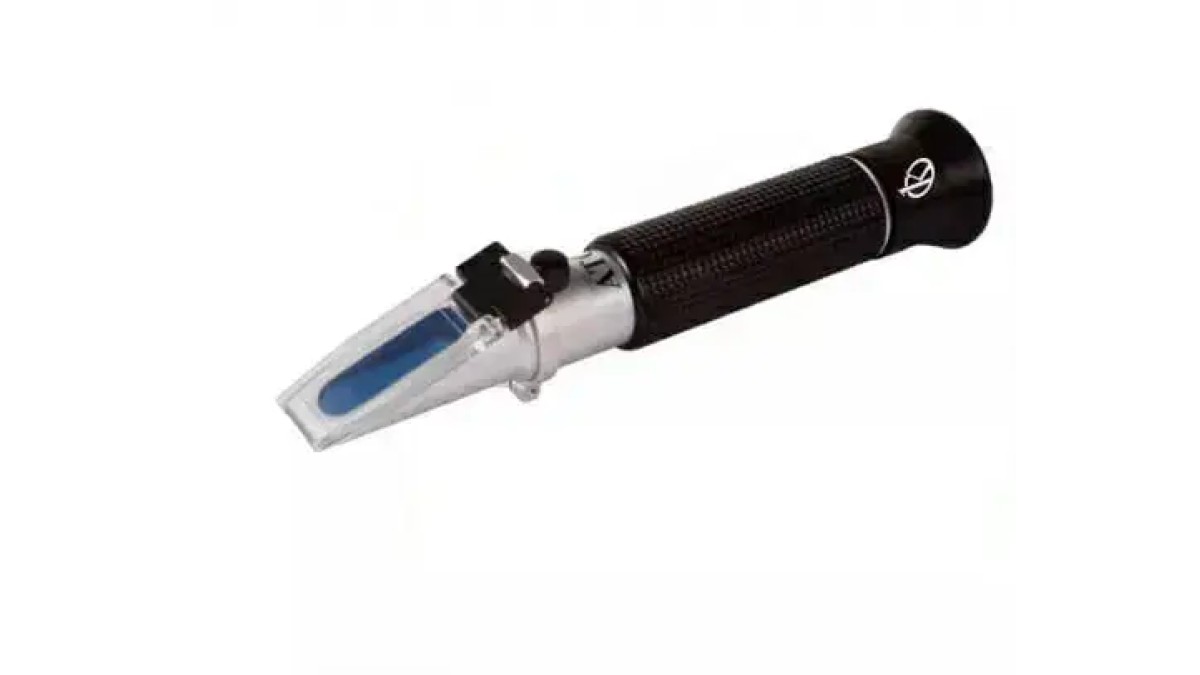
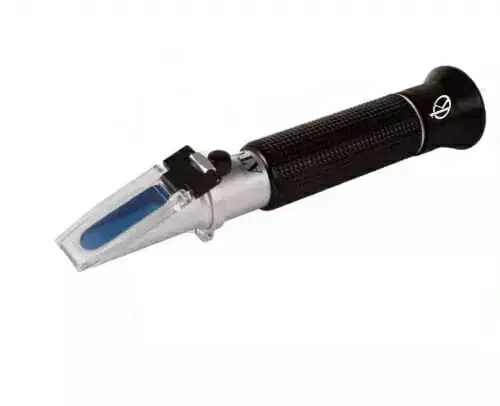
Brix Refractometers: Common Mistakes and How to Avoid Them in Daily Operation 2026
What is it used for in 2026
Brix refractometers are widely utilized in various industries, particularly in agriculture, brewing, and food production. They measure the sugar content in solutions, which is crucial for determining the quality and ripeness of fruits, the brewing process of beers, and the sugar levels in various food products. In 2026, the accuracy and efficiency of Brix refractometers have improved, making them essential tools for professionals seeking reliable measurements in their daily operations.
History and evolution of the technology
The Brix refractometer's roots trace back to the early 20th century, originally designed for the wine industry to assess the sugar content of grape must. Over the decades, advancements in optics and materials have evolved the technology, leading to the development of automatic temperature compensation (ATC) features. This evolution facilitates more precise readings across a broader range of solutions, benefiting industries such as agriculture, brewing, and food manufacturing.
How to use it step by step
Using a Brix refractometer involves several straightforward steps to ensure accurate results:
- Calibration: Before use, calibrate the refractometer with distilled water to ensure accurate readings.
- Sample Preparation: Obtain a small sample of the liquid to be tested. Ensure it is free from bubbles.
- Measurement: Place a drop of the liquid on the prism, close the cover, and wait a few seconds.
- Reading the Scale: Look through the eyepiece to read the Brix value where the light meets the dark boundary.
- Cleaning: Clean the prism with a soft cloth after each use to prevent contamination.
Best techniques and protocols
To achieve the best results when using Brix refractometers, consider the following techniques and protocols:
- Always ensure the refractometer is clean and calibrated before taking measurements.
- Take multiple readings of the same sample to ensure consistency.
- Store the refractometer in a stable environment to avoid fluctuations in temperature affecting readings.
- Document all readings and conditions for future reference and quality control.
Practical applications by laboratory type
Brix refractometers find applications across various laboratory types:
- Agriculture: Used by farmers to assess the sugar content of fruits and vegetables for optimal harvest timing.
- Brewing: Essential for brewers to monitor the sugar content during fermentation processes.
- Food Production: Used to ensure consistent sugar levels in products and to maintain quality control.
Regulations, standards and certifications
In 2026, Brix refractometers must comply with various industry standards:
- ISO 9001 for quality management systems.
- ASTM E2877 for the calibration of refractometers.
- Food Safety Regulations to ensure measurements are accurate for consumable products.
Comparison with alternative technologies
While Brix refractometers are widely used, alternative technologies include:
- Hydrometers: Measure the density of liquids but may not provide as accurate sugar content readings.
- Digital Refractometers: Offer electronic readings but may lack the durability of traditional models.
Comparison of available models
| Model | Best for | Key specs | Recommended use case |
|---|---|---|---|
| YR05872 | Low sugar content solutions | 0-5% Brix, ±0.10% Brix accuracy | Ideal for measuring sugar levels in fruits with low Brix values. |
| YR05873 | Medium sugar content solutions | 0-10% Brix, ±0.10% Brix accuracy | Effective for general agriculture use, including various fruits and vegetables. |
| YR05874 | Varied solutions | 0-18% Brix, ±0.10% Brix accuracy | Useful for both agricultural and food processing applications. |
| YR05875 | Higher sugar content solutions | 0-20% Brix, ±0.10% Brix accuracy | Recommended for monitoring sugar levels in brewing processes. |
| YR05876 | Very high sugar content solutions | 0-32% Brix, ±0.10% Brix accuracy | Ideal for high sugar content products like syrups. |
Common mistakes and how to avoid them
Common mistakes while using Brix refractometers include:
- Not calibrating: Always calibrate the device before use to avoid inaccurate readings.
- Using contaminated samples: Ensure the sample is free of contaminants to get precise readings.
- Ignoring temperature: Be mindful of temperature effects, as most refractometers have ATC, but extreme temperatures can still affect results.
Maintenance, calibration and good practices 2026
To ensure longevity and accuracy:
- Regularly clean the prism and the exterior of the device.
- Calibrate the refractometer at least once a month or when moving between different environments.
- Store the device in a protective case when not in use.
Cost-benefit analysis 2026
Investing in a Brix refractometer provides significant benefits. Accurate sugar measurement can lead to better product quality, reduced waste, and improved yields, making them a cost-effective solution for laboratories. The initial investment is often recouped through enhanced operational efficiency and product consistency.
Frequently asked questions
What is the optimal temperature for using Brix refractometers?
The optimal temperature is usually between 10-30°C. Ensure that your samples are within this range for the most accurate readings.
How often should I calibrate my Brix refractometer?
It is recommended to calibrate your refractometer at least once a month or whenever moving to a different environment.
Can I use a Brix refractometer for liquids other than fruit juices?
Yes, Brix refractometers can measure the sugar content in various liquids, including syrups, beers, and other sugary solutions.
What should I do if my readings are inconsistent?
Check for calibration, ensure samples are pure and free from bubbles, and verify that the refractometer is functioning properly.
How can I ensure the longevity of my refractometer?
Regular cleaning, proper calibration, and storing it in a protective case will help maintain its longevity and accuracy.
Is it necessary to clean the prism after each use?
Yes, cleaning the prism after each use is crucial to prevent cross-contamination and ensure accurate future readings.
Where can I purchase a Brix refractometer?
You can request a quote on Kalstein Plus for competitive pricing on high-quality Brix refractometers.
If you are looking for a fusion of innovation and quality, you have come to the right place. At Kalstein, we offer you the luxury of exploring our exclusive catalog of laboratory equipment. We manufacture every device to the highest standards of excellence. Our intuitive and seamless online purchasing channels are designed for your convenience, securing the most competitive prices. Hesitate no longer — we bring science to life, it is time to become part of our community.