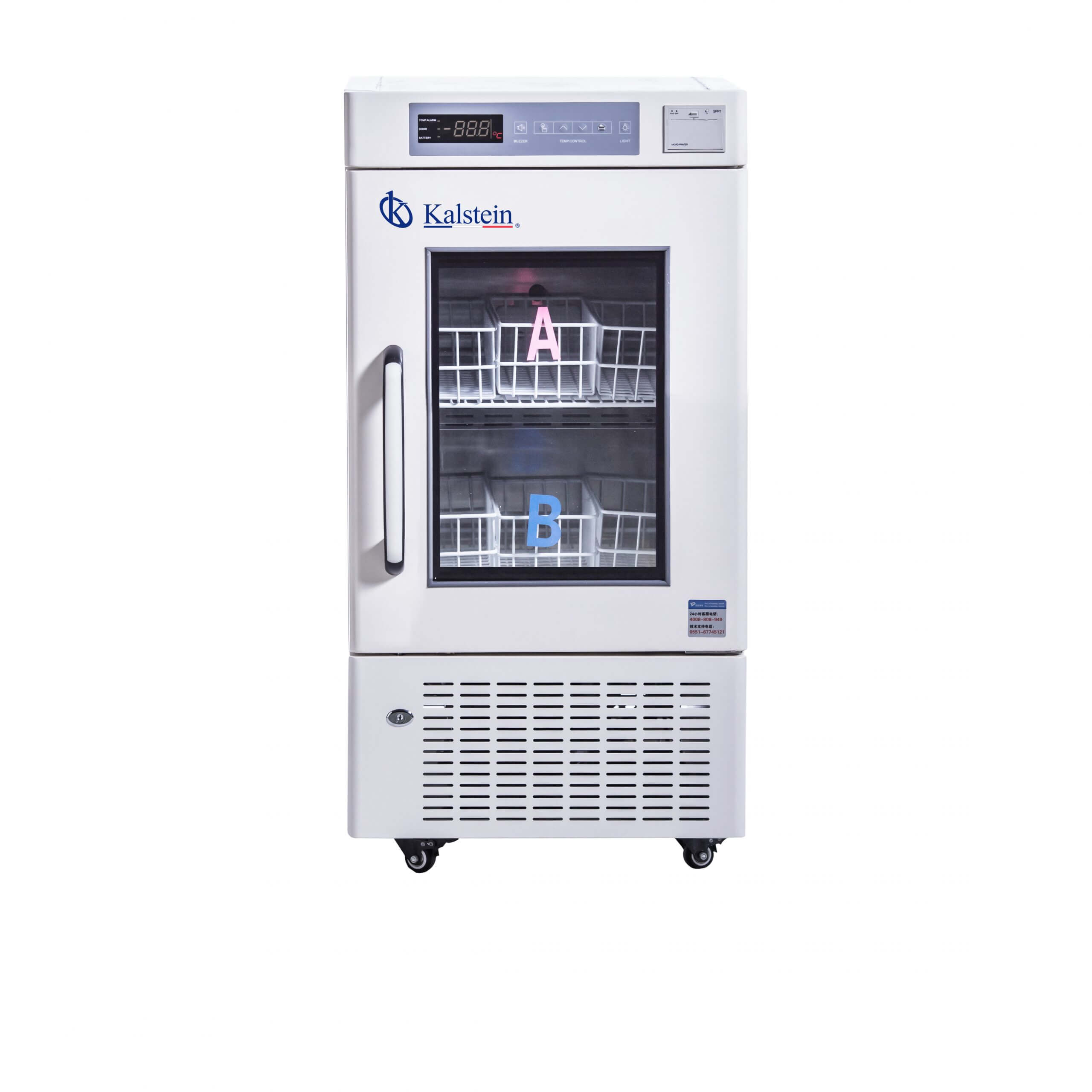
Blood Bank Refrigerators: Common Mistakes and How to Avoid Them in Daily Operation 2026
What is it used for in 2026
Blood bank refrigerators are vital in the healthcare sector, particularly in blood banks, hospitals, and laboratories. They are designed to store blood products at controlled temperatures between 2°C to 6°C, ensuring their viability for transfusions and medical use. These refrigerators maintain the integrity of blood components, including red blood cells, platelets, and plasma, which are crucial for patients in need of transfusions.
History and evolution of the technology
The evolution of blood bank refrigeration technology has progressed significantly since the first crude methods of preserving blood. Early systems relied on ice and basic coolers, which posed challenges in maintaining optimal temperatures. With advancements in microprocessor technology, modern blood bank refrigerators now include digital temperature controls and alarms to prevent temperature fluctuations. This evolution ensures that blood products can be stored safely and efficiently, reflecting a commitment to patient safety and quality care.
How to use it step by step
Using a blood bank refrigerator effectively involves several key steps:
- Initial Setup: Ensure the refrigerator is placed in a stable environment away from direct sunlight and heat sources.
- Temperature Calibration: Calibrate the temperature settings according to the manufacturer’s specifications, typically between 2°C to 6°C.
- Loading Blood Products: Place blood bags in designated shelves without overcrowding, allowing for airflow.
- Regular Monitoring: Check the digital display frequently to confirm stable temperature conditions and ensure alarms are functional.
- Emergency Protocols: Familiarize yourself with emergency procedures in case of power failure or temperature violations.
Best techniques and protocols
Implementing best practices is crucial for optimal operation:
- Use calibrated monitoring devices to ensure temperature accuracy.
- Establish a routine for inspecting the seals and door mechanisms to prevent temperature loss.
- Maintain a detailed log for all entries and exits of blood products, including dates and handling personnel.
- Train staff regularly on equipment operation and emergency response procedures.
Practical applications by laboratory type
Different laboratory settings utilize blood bank refrigerators in various capacities:
- Hospitals: Store blood for transfusion services, ensuring immediate availability.
- Blood Donation Centers: Preserve collected blood until it can be processed and tested.
- Research Laboratories: Maintain samples for studies on blood diseases and treatments.
Regulations, standards and certifications
Blood bank refrigerators must adhere to strict regulations set forth by agencies such as the Food and Drug Administration (FDA) and the American Association of Blood Banks (AABB). Compliance with these standards ensures the safety and efficacy of blood storage, requiring regular inspections and certifications to maintain operational integrity.
Comparison with alternative technologies
While blood bank refrigerators are specialized for blood storage, alternative technologies such as ultra-low temperature freezers and cryogenic storage systems serve specific needs in the medical field. Ultra-low freezers are suited for long-term storage of biological samples, while cryogenic systems are essential for preserving stem cells and other delicate cellular products. Each technology has its advantages and limitations based on the requirements for storage duration and temperature control.
Comparison of available models
| Model | Best for | Key specs | Recommended use case |
|---|---|---|---|
| YR05091 | General blood storage | Temperature range: 2-6°C, Digital display, 2 shelves | Suitable for small to medium blood banks. |
| YR05092 | Medium blood storage | Temperature range: 2-6°C, Digital display, 4 shelves | Ideal for medium-sized hospitals. |
| YR05094 | Large blood storage | Temperature range: 2-6°C, Digital display, 12 shelves | Best suited for large blood banks. |
| YR05098 | Long-term frozen storage | Temperature range: -10 to -25°C, Digital display | Useful for storing plasma and reagents. |
| YR05292 | High-capacity blood storage | Temperature range: 4±1°C, 12 stainless steel drawers | Designed for high-volume blood processing labs. |
Common mistakes and how to avoid them
Several operational errors can compromise the effectiveness of blood bank refrigerators:
- Overloading the refrigerator: This can restrict airflow and lead to temperature fluctuations. Always follow the recommended load capacity.
- Ignoring alarms: Failure to respond to alarms can result in compromised blood integrity. Ensure that staff is trained to act promptly.
- Poor placement of blood products: Storing blood in the incorrect zones can lead to temperature variances. Follow guidelines for proper placement.
- Neglecting maintenance: Regular maintenance checks are essential to ensure functionality. Schedule routine inspections and calibrations.
Maintenance, calibration and good practices 2026
To prolong the lifespan of blood bank refrigerators, adherence to maintenance protocols is crucial:
- Check and replace door seals regularly to maintain temperature.
- Calibrate temperature monitors at least once a month.
- Clean the interior and exterior surfaces to prevent contamination.
- Document maintenance activities and monitor any changes in operations.
Cost-benefit analysis 2026
Investing in a quality blood bank refrigerator offers significant returns in patient safety and operational efficiency. While initial costs may be high, the long-term benefits include reducing waste due to temperature violations, ensuring patient satisfaction with timely transfusions, and compliance with healthcare regulations. These factors contribute to overall cost savings and enhanced reputation for healthcare facilities.
Frequently asked questions
What should I consider when choosing a blood bank refrigerator?
Consider factors such as storage capacity, temperature control features, reliability, and compliance with health regulations. Assess the specific needs of your laboratory, including the volume of blood products you handle.
How often should I calibrate the blood bank refrigerator?
Calibration should be performed at least once a month or more frequently based on operational demands. Regular checks help ensure accurate temperature readings and compliance with safety standards.
What is the ideal temperature range for blood storage?
The recommended temperature range for blood storage is between 2°C to 6°C. Maintaining this range is crucial for preserving blood viability.
How can I monitor the temperature effectively?
Utilize digital temperature displays with alarm systems to monitor conditions. Implement backup monitoring systems to provide redundancy in case of primary system failure.
What maintenance is required for blood bank refrigerators?
Regular maintenance includes checking door seals, cleaning interiors, calibrating temperature controls, and documenting maintenance activities to ensure optimal performance.
How can I prevent common operational mistakes?
Train staff thoroughly on proper protocols, create clear operational procedures, and utilize checklists to avoid overloading and ensure compliance with best practices.
Where can I find the best blood bank refrigerators for my laboratory?
Explore available models to find one that meets your specific needs in terms of capacity, features, and compliance with industry standards.
If you are looking for a fusion of innovation and quality, you have come to the right place. At Kalstein, we offer you the luxury of exploring our exclusive catalog of laboratory equipment. We manufacture every device to the highest standards of excellence. Our intuitive and seamless online purchasing channels are designed for your convenience, securing the most competitive prices. Hesitate no longer — we bring science to life, it is time to become part of our community.