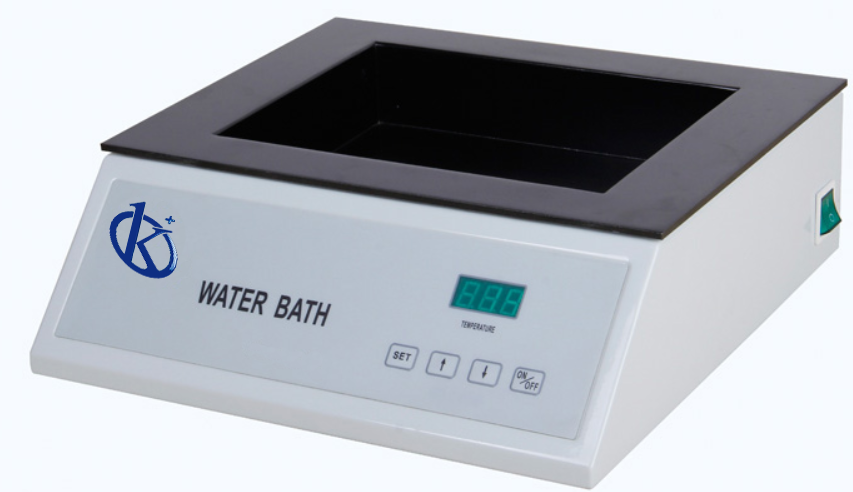
Ensuring Biosafety in Tissue Water Baths: Protocols and Operator Safety
Tissue water baths serve crucial roles in laboratory environments, particularly in the field of pathological anatomy where accurate temperature control and safe handling of specimens are paramount. As laboratories evolve, ensuring operator safety and adherence to biosafety protocols becomes increasingly critical. This article discusses essential biosafety measures and compares various tissue water bath models, focusing on their features that enhance operator protection and compliance with safety protocols.
Understanding Biosafety Protocols for Tissue Water Baths
Biosafety protocols are designed to minimize the risk of exposure to biohazardous materials during laboratory procedures. For tissue water baths, compliance with safety guidelines is essential not only for operator safety but also for maintaining the integrity of specimens. The protocols typically involve the use of Personal Protective Equipment (PPE), appropriate waste disposal methods, and regular equipment maintenance checks to prevent cross-contamination and ensure the proper functioning of devices.
Key Elements of Biosafety in Laboratories
1. **Personal Protective Equipment (PPE)**: Operators should wear gloves, lab coats, and safety goggles when handling samples in a tissue water bath to minimize exposure to potentially harmful substances.
2. **Decontamination Protocols**: Regular cleaning and decontamination of the tissue water bath surfaces are necessary to prevent contamination. This includes adherence to National Institutes of Health (NIH) guidelines and local regulations.
3. **Training and Awareness**: Continuous training for laboratory personnel on biosafety protocols ensures compliance and promotes a culture of safety within the laboratory environment.
Specific Protocols and Their Impact on Operator Safety
Establishing specific biosafety protocols not only protects operators but also enhances workflow efficiency. Protocols should outline procedures for sample handling, temperature monitoring, and equipment calibration.
Sample Handling Protocols
When using tissue water baths, it is crucial to establish protocols for safe sample handling. This includes proper labeling, secure storage, and clear communication among laboratory staff regarding the handling of sensitive samples.
Temperature Monitoring and Control
Maintaining precise temperature control in tissue water baths is essential for accurate test results. Models like the YR449 and YR451 feature automatic temperature regulation, which enhances safety by reducing the risk of overheating and specimen damage.
Regular Equipment Calibration
Calibrating equipment at regular intervals ensures that temperature readings are accurate and reliable. Implementing a calibration schedule that observes ISO 17025 standards can significantly enhance the reliability of results and minimize risks associated with temperature fluctuations.
Comparison of Available Models
| Model | Temperature Range | Control Precision | Best for | Price (USD) |
|---|---|---|---|---|
| YR449 | RT to 90℃ | ±1℃ | General tissue processing | 400.00 |
| YR451 | 0 - 85℃ | ±1℃ | Routine laboratory tasks | 800.00 |
| YR452 | RT - 75℃ | ±1℃ | Advanced tissue analysis | 950.00 |
Common Mistakes and How to Avoid Them
When working with tissue water baths, several common mistakes can jeopardize both safety and laboratory efficiency. Here are key errors to avoid:
1. **Inadequate Training**: Ensure all personnel are well-trained in the operation of tissue water baths to prevent misuse and accidents.
2. **Neglecting Maintenance**: Regular maintenance is essential for ensuring the longevity and safety of equipment. Schedule routine checks to avoid equipment failures.
3. **Ignoring Manufacturer Guidelines**: Always follow the manufacturer’s instructions for optimal performance and safety of the equipment.
Frequently Asked Questions
What are the key biosafety protocols for using tissue water baths in labs?
Key biosafety protocols include using PPE, adhering to decontamination procedures, and ensuring proper training for personnel. Models like YR449 facilitate safe operation by providing reliable temperature control.
How does temperature accuracy impact safety in tissue water baths?
Temperature accuracy directly influences sample integrity and operator safety. The YR451 model ensures accurate control with a precision of ±1℃, reducing risks associated with overheating.
What are the most common mistakes when operating a tissue water bath?
Common mistakes include inadequate training, neglecting maintenance, and failing to follow manufacturer guidelines. Regular checks of models like YR452 can help mitigate these risks.
How can I ensure compliance with biosafety standards using a tissue water bath?
Compliance can be ensured by implementing strict biosafety protocols, conducting regular training sessions, and using equipment like the YR449 that meets necessary safety standards.
What is the recommended temperature range for tissue water baths in laboratories?
The recommended temperature range varies by model; for instance, the YR451 offers a range of 0 - 85℃, suitable for various laboratory tasks, ensuring safe handling of samples.
Why is regular maintenance important for tissue water baths?
Regular maintenance prevents equipment failures and ensures accurate temperature control, critical for laboratory results. Models like YR452 require routine checks to maintain optimal performance.
What features should I look for in a tissue water bath to enhance operator safety?
Look for features like automatic temperature control, easy-to-read digital displays, and robust construction. The YR451 model, for example, includes LED lighting for real-time monitoring, enhancing safety.
How does the choice of a tissue water bath model impact laboratory operations?
The choice of model impacts accuracy, efficiency, and safety. Selecting a model like the YR449 with reliable performance ensures smooth laboratory operations and enhances overall safety.
If you are looking for a fusion of innovation and quality, you have come to the right place. At Kalstein, we offer you the luxury of exploring our exclusive catalog of laboratory equipment. We manufacture every device to the highest standards of excellence. Our intuitive and seamless online purchasing channels are designed for your convenience, securing the most competitive prices. Hesitate no longer — we bring science to life, it is time to become part of our community.