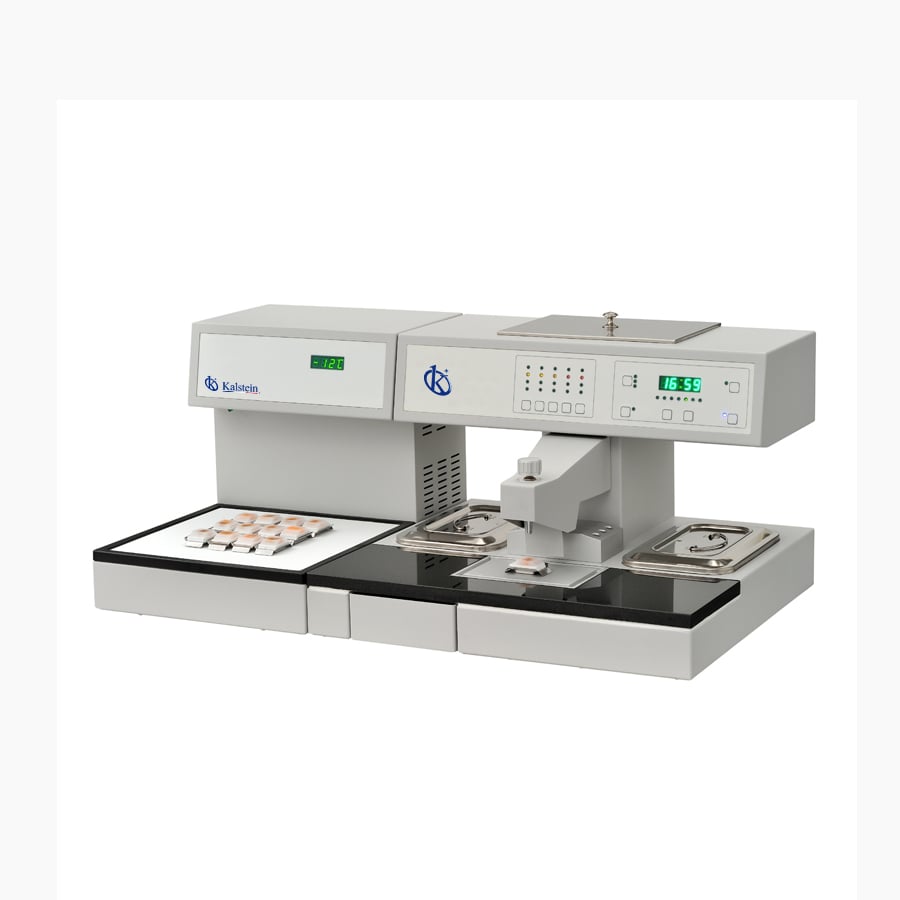
Ensuring Biosafety in Tissue Embedding Systems: Key Protocols and Operator Safety
In the realm of pathological anatomy, ensuring biosafety is paramount, especially when using tissue embedding systems. These laboratory devices are essential for processing tissue samples for histological analysis, but they also pose specific risks to operators and the environment. This article delves into key biosafety protocols and safe handling practices specifically related to various models of tissue embedding systems.
Understanding the Importance of Biosafety Protocols
With the increasing complexity of laboratory work, the need for stringent biosafety measures is critical. The World Health Organization (WHO) and other regulatory bodies advocate for stringent biosafety protocols to prevent contamination and ensure the safety of laboratory personnel. Biosafety refers to the containment principles, technologies, and practices that are implemented to prevent unintentional exposure to pathogens and toxins. In this context, tissue embedding systems must adhere to the best practices to mitigate risks associated with the handling of biological materials.
Key Protocols for Safe Operation of Tissue Embedding Systems
The following biosafety protocols are integral to the safe operation of tissue embedding systems:
- Personal Protective Equipment (PPE): Operators must wear appropriate PPE, including gloves, lab coats, and safety glasses to protect against exposure to hazardous materials.
- Proper Ventilation: Ensure that the laboratory is well-ventilated. Fume hoods or biological safety cabinets should be used to contain any aerosols and vapors generated during tissue embedding.
- Decontamination Procedures: Regularly clean and decontaminate work surfaces and equipment with approved disinfectants. This includes the areas surrounding the embedding stations.
- Waste Management: Implement strict protocols for managing biological waste. All waste should be disposed of in biohazard bags and containers to prevent contamination.
- Training and Awareness: Regular training sessions should be conducted to ensure that all personnel are aware of the biosafety protocols and understand their importance.
Comparison of Available Models
| Model | Paraffin Chamber Capacity | Temperature Range | Best For |
|---|---|---|---|
| YR441 | 3 liters | 55 - 70℃ | Flexible scheduling and precise temperature control |
| YR447 | 4 liters | RT - 85℃ | Rapid heating and energy efficiency |
| YR439 | 3 liters | 55 - 70℃ | Ergonomic design and intuitive control |
| YR445 | 4 liters | Ambient - 85℃ | Comfortable sample processing |
| YR439-1 | ≥6 liters | TA - 85℃ | High precision and automatic controls |
| YR440B | N/A | 0 to -20℃ | Efficient cooling and environmental friendliness |
Common Mistakes and How to Avoid Them
Laboratories often overlook critical aspects of biosafety protocols when operating tissue embedding systems. Common mistakes include inadequate training of personnel, neglecting regular maintenance of equipment, and improper waste disposal methods. To avoid these pitfalls, laboratories must implement a robust training program, schedule regular equipment checks, and ensure compliance with waste management protocols. This will help mitigate risks and enhance the safety of laboratory operations.
Frequently Asked Questions
What are the best biosafety practices for operating a tissue embedding system?
The best biosafety practices include wearing appropriate PPE, ensuring proper ventilation, decontaminating surfaces regularly, and implementing strict waste management protocols. Using models like YR447 can further enhance safety with rapid heating features and precise temperature controls.
How can I ensure my tissue embedding system complies with safety standards?
To ensure compliance with safety standards, laboratories should follow established biosafety protocols, regularly train staff, and document safety procedures. Models like YR441 offer programmable features that aid in maintaining consistent operating conditions, which can help in compliance.
What types of PPE should be used when operating tissue embedding systems?
When operating tissue embedding systems, operators should use gloves, lab coats, and safety glasses to protect against exposure to hazardous materials. Models such as YR439 are equipped with ergonomic designs that promote safe handling while wearing PPE.
How often should tissue embedding systems be decontaminated?
Tissue embedding systems should be decontaminated after each use and regularly throughout the day, especially in high-use environments. Performing these protocols ensures systems like the YR445 remain safe and effective for laboratory personnel.
What common hazards are associated with tissue embedding systems?
Common hazards include exposure to hazardous chemicals, thermal burns from hot surfaces, and contamination from biological samples. Proper training and the use of models like YR440B, which provides environmental benefits, can help mitigate these risks.
How can training improve biosafety in laboratory settings?
Training improves biosafety by ensuring that all personnel understand the risks associated with their work and know how to implement safety protocols effectively. Regular training sessions can enhance safety practices when using tissue embedding systems like the YR447.
What factors should I consider when selecting a tissue embedding system?
Factors to consider include the capacity of the paraffin chamber, temperature range, ergonomic features, and programmability. Models such as YR439-1 offer high precision and full programmability, making them suitable for demanding laboratory environments.
How does proper waste management contribute to laboratory safety?
Proper waste management minimizes the risk of contamination and exposure to hazardous materials in the laboratory. Implementing strict waste protocols is crucial when using tissue embedding systems to ensure a safe working environment.
If you are looking for a fusion of innovation and quality, you have come to the right place. At Kalstein, we offer you the luxury of exploring our exclusive catalog of laboratory equipment. We manufacture every device to the highest standards of excellence. Our intuitive and seamless online purchasing channels are designed for your convenience, securing the most competitive prices. Hesitate no longer — we bring science to life, it is time to become part of our community.