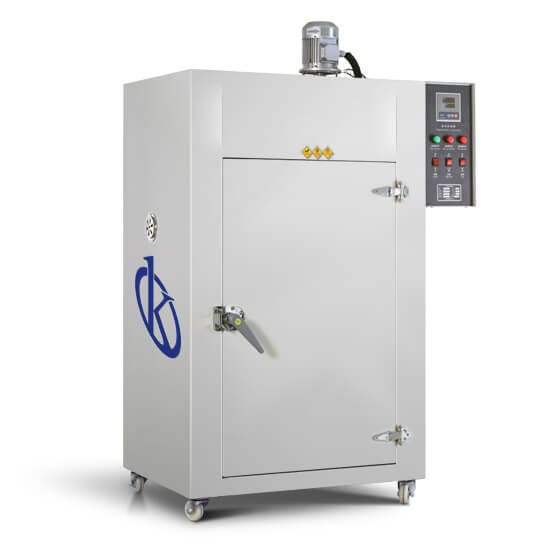
How to Ensure Biosafety and Safe Operator Handling in Industrial Ovens
Industrial ovens play a critical role in various laboratory and industrial applications, including material drying and heat treatment. Ensuring biosafety and safe handling is paramount to protect operators from potential hazards. This article examines essential biosafety protocols and best practices in operator management for industrial ovens, focusing on various models available in the market.
Understanding Biosafety in Industrial Ovens
Biosafety protocols are designed to minimize the risk of exposure to biohazardous materials and ensure a safe working environment. In the context of industrial ovens, this involves understanding the nature of the materials being processed and the potential hazards associated with them.
Key aspects of biosafety in industrial ovens include the design of the equipment, proper operator training, and the implementation of safety measures such as personal protective equipment (PPE) and emergency procedures. Industrial ovens must be equipped with features that enhance safety, such as double-layer doors, temperature control systems, and user-friendly interfaces.
Operator Handling Protocols
Safe operator handling is fundamental to maintaining a safe workplace. Proper training and strict adherence to protocols reduce the likelihood of accidents and improve operational efficiency. Operators should be trained on specific handling instructions, including how to safely load and unload materials, monitor temperature settings, and recognize potential hazards.
Regular safety drills and assessments are essential. Operators should be familiar with emergency shutdown procedures, potential hazards, and the correct use of PPE. Incorporating ergonomic practices into operator training can also help prevent injuries associated with repetitive movements and heavy lifting.
Comparison of Available Models
| Model Code | Temperature Control | Capacity (Liters) | Power (Kilowatts) | Best For |
|---|---|---|---|---|
| YR05256-A | Microcomputer Control | 300 | 4-6 | Batch production, industrial applications |
| YR05257-1-A | Microcomputer Control | 864 | 8-12 | Heavy industrial use, continuous operation |
| YR05258-SS | Microcomputer Control | 300 | 4-6 | Electronics, jewelry coating |
| YR05259-1-SS | Microcomputer Control | 864 | 8-12 | High-capacity drying, industrial applications |
Common Mistakes and How to Avoid Them
Several common mistakes can compromise biosafety and operator safety in industrial ovens. One frequent error is neglecting regular maintenance and calibration of the equipment, which can lead to malfunction and hazardous situations. It is crucial to establish a routine maintenance schedule and adhere to it strictly.
Another mistake is insufficient operator training. Failing to provide comprehensive training on safety procedures and equipment handling can result in accidents. To avoid this, ensure that all operators undergo thorough training and that refresher courses are offered regularly.
Specific Biosafety Considerations for Each Model
When selecting an industrial oven, consider its biosafety features. For instance, the YR05256-A offers intelligent temperature control that minimizes overheating risks, making it suitable for sensitive materials. The YR05257-1-A features a double-layer door that helps maintain safety while managing high temperatures.
The YR05258-SS and YR05259-1-SS models are ideal for applications requiring a robust safety framework. Their stainless steel builds enhance cleanliness and reduce contamination risks, making them preferable for industries requiring stringent biosafety protocols.
Implementing Decontamination Protocols
Decontamination protocols are essential in maintaining a safe environment. After using industrial ovens, operators should follow established procedures to clean and sanitize the equipment. This may include routine checks for residue buildup and the implementation of specific cleaning agents suitable for the oven's materials.
Incorporating decontamination procedures as part of the standard operating protocol ensures that equipment remains safe to use and minimizes the spread of contaminants across different batches.
Monitoring and Reporting Hazards
Monitoring potential hazards within the laboratory environment is crucial. Operators must be equipped with the knowledge and tools to identify risks before they become significant issues. Establishing a reporting system for operators to document any anomalies or hazardous conditions is vital for maintaining a safe work environment.
Regular audits and safety inspections also play a role in identifying and mitigating risks associated with industrial oven operations.
Frequently Asked Questions
What are the important biosafety measures for using industrial ovens?
Important biosafety measures for using industrial ovens include proper ventilation, routine maintenance, and extensive operator training. Equipment like the YR05257-1-A, with dual-layer doors and advanced temperature control, enhances safety and compliance with biosafety standards.
How can I ensure operator safety while handling industrial ovens?
Ensuring operator safety involves training staff on proper handling protocols, using PPE, and implementing safety measures like emergency shutdown procedures. Equipment such as the YR05258-SS is designed to facilitate safe operations with its user-friendly controls.
What decontamination protocols should be followed for industrial ovens?
Decontamination protocols should include cleaning the internal surfaces, removing residues, and using suitable cleaning agents. Models like the YR05259-1-SS can be cleaned easily due to their stainless steel build, minimizing contamination risks.
How often should industrial ovens be maintained for safety compliance?
Industrial ovens should be maintained regularly, typically every six months, to ensure they operate safely and efficiently. For example, following a strict maintenance schedule for the YR05256-A can prevent potential malfunctions and hazards.
What PPE is recommended for operators using industrial ovens?
Recommended PPE includes heat-resistant gloves, safety goggles, and lab coats to protect operators from thermal and chemical hazards. Proper PPE is essential when working with models like the YR05257-1-A, which operates at high temperatures.
What features should I look for in an industrial oven for laboratory use?
Look for features such as precise temperature control, safety locks, and robust internal materials. The YR05258-SS, for instance, offers intelligent control and a durable design, making it suitable for laboratory settings requiring high safety standards.
How can I report safety hazards related to industrial oven operations?
Establish a reporting system within your organization to document and address safety hazards. Operators should be encouraged to report any issues with equipment like the YR05256-A to ensure immediate corrective actions are taken.
What is the best industrial oven for biosafety compliance?
The best industrial oven for biosafety compliance is one that meets relevant safety standards and includes features like temperature control and durable materials. Models such as the YR05259-1-SS are designed with safety in mind, making them ideal for sensitive laboratory applications.
If you are looking for a fusion of innovation and quality, you have come to the right place. At Kalstein, we offer you the luxury of exploring our exclusive catalog of laboratory equipment. We manufacture every device to the highest standards of excellence. Our intuitive and seamless online purchasing channels are designed for your convenience, securing the most competitive prices. Hesitate no longer — we bring science to life, it is time to become part of our community.