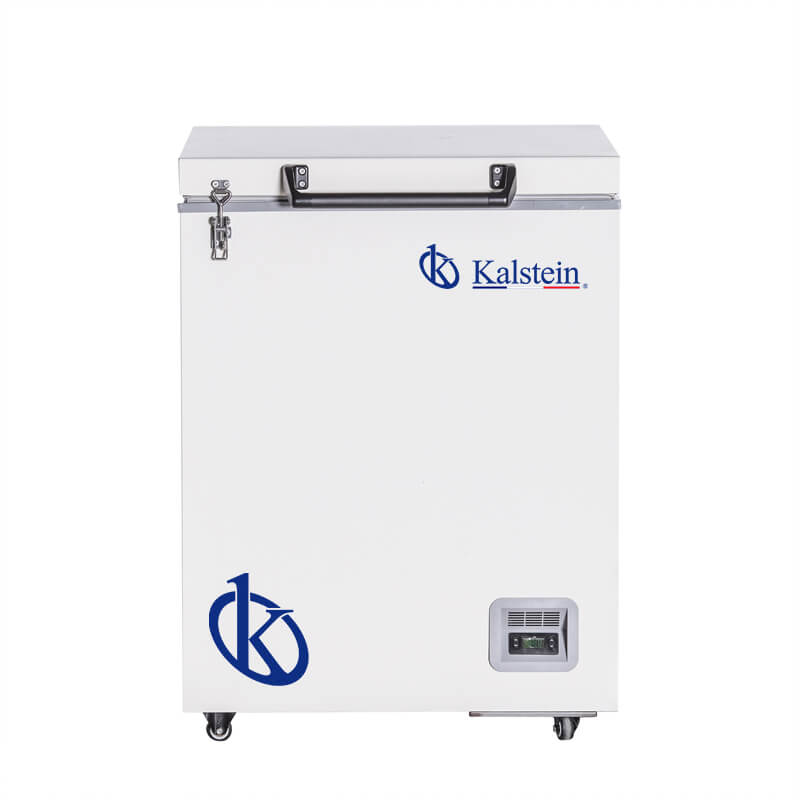
Biosafety Protocols and Safe Operator Management: A Comprehensive Guide to Chest Freezers
In laboratory environments, maintaining biosafety protocols and ensuring safe operator management are crucial, especially when utilizing chest freezers for storing sensitive biological materials. This guide focuses on key considerations and protocols that laboratory professionals need to implement to safeguard their work environment while employing chest freezers effectively.
Understanding Biosafety Protocols in Chest Freezer Use
Biosafety protocols are designed to protect laboratory personnel, the environment, and the community from exposure to potentially harmful biological agents. The implementation of these protocols becomes essential when using chest freezers for storing biological specimens, including vaccines, cell cultures, and infectious materials. Adherence to biosafety levels (BSLs) is necessary, which ranges from BSL-1 to BSL-4, depending on the pathogens handled.
Importance of Operator Safety Management
Operator safety management involves establishing guidelines and practices that minimize risk during chest freezer operation. This includes training personnel to handle specimens and equipment safely, wearing appropriate personal protective equipment (PPE), and following standard operating procedures (SOPs) related to freezer usage.
Key Biosafety Protocols for Chest Freezer Handling
Implementing key biosafety protocols specific to chest freezers is vital. Laboratories must establish a designated area for freezer placement, ensuring that it is easily accessible yet secure. Regular training sessions should be conducted to educate staff about potential risks and the importance of maintaining optimal storage conditions.
Assessing Risk Factors in Chest Freezer Use
Risk assessment is crucial for understanding the hazards associated with using chest freezers. Factors to assess include the type of biological materials stored, potential for spillage or contamination, and equipment failure. Establishing a risk matrix can help identify and prioritize risks, facilitating the development of mitigation strategies.
Comparison of Available Models
| Model | Temperature Range (°C) | Cooling Method | Alarm Features | Best For |
|---|---|---|---|---|
| YR05102 | -40 to -10 | Direct cooling | Multiple alarms for temperature failures | General laboratory use |
| YR05103 | -40 to -10 | Direct cooling | Multiple alarms for temperature failures | Medical facilities |
| YR05104 | -40 to -20 | Direct cooling | Multiple alarms for temperature failures | Research labs |
| YR05314 | -86 to -40 | Direct cooling | High and low temperature alarms | Pharmaceutical storage |
| YR05313 | -86 to -40 | Direct cooling | High and low temperature alarms | Small laboratories |
| YR05315 | -60 to -25 | Direct cooling | Temperature alarms | Biomedical applications |
Common Mistakes and How to Avoid Them
Laboratory professionals often make mistakes that can compromise biosafety and operational efficiency. Common issues include overloading freezers, neglecting regular maintenance, and failing to conduct routine temperature checks. By establishing a schedule for regular inspections and ensuring that freezers are not overloaded, labs can maintain safe storage conditions.
Implementing Maintenance Protocols
Regular maintenance of chest freezers is a critical component of operator safety and equipment longevity. Labs should establish a maintenance log that includes routine checks for door seals, temperature calibration, and alarm functionality. Following manufacturer guidelines for maintenance can prevent equipment failure and ensure optimal performance.
Training and Education for Staff
Training staff on biosafety protocols related to chest freezers is essential. This training should encompass the correct usage of PPE, emergency procedures for spills, and understanding the importance of maintaining required temperature ranges for stored materials. Regular refreshers can reinforce knowledge and ensure compliance.
Frequently Asked Questions
What are the key biosafety protocols for operating chest freezers?
Key biosafety protocols for operating chest freezers include adhering to BSL guidelines, ensuring proper ventilation, and using appropriate PPE. Models such as YR05102 and YR05314 have safety features that help maintain temperature integrity, crucial for storing biological materials safely.
How should I manage operator safety when using a chest freezer?
Managing operator safety involves training personnel on proper handling procedures, using the right PPE, and implementing strict SOPs. Utilizing models like the YR05315, which have multiple alarm functionalities, enhances safety during operation.
What are the risks associated with chest freezer use in laboratories?
Risks associated with chest freezer use include potential freezer failure, spills of hazardous materials, and improper temperature management. Regular maintenance, such as that recommended for the YR05303, is essential for mitigating these risks.
How can I ensure compliance with biosafety standards when using chest freezers?
Ensuring compliance with biosafety standards involves following established protocols, conducting regular audits, and using models equipped with alarm systems, such as the YR05104. These practices help maintain safe storage conditions and adhere to regulations.
What maintenance practices should I implement for chest freezers?
Effective maintenance practices include regular temperature monitoring, cleaning door seals, and conducting inspections of alarm systems. Models like the YR05314 require systematic checks to ensure they function correctly and maintain safety standards.
How do I select the right chest freezer model for laboratory use?
Choosing the right model involves assessing the specific needs of your laboratory, including storage capacity, temperature range, and alarm features. For example, the YR05315 is ideal for biomedical applications due to its adjustable temperature range and safety locks.
What training should laboratory staff receive for using chest freezers?
Laboratory staff should receive training in biosafety protocols, emergency spill response, and proper handling techniques for biological materials. Regular training sessions should include information on equipment features, such as those found in the YR05103.
How can I prevent common mistakes while using chest freezers?
Preventing common mistakes involves establishing clear protocols, regular training, and maintenance schedules. Ensuring that models like the YR05102 are not overloaded and that temperature checks are routine can significantly enhance safety and compliance.
If you are looking for a fusion of innovation and quality, you have come to the right place. At Kalstein, we offer you the luxury of exploring our exclusive catalog of laboratory equipment. We manufacture every device to the highest standards of excellence. Our intuitive and seamless online purchasing channels are designed for your convenience, securing the most competitive prices. Hesitate no longer — we bring science to life, it is time to become part of our community.