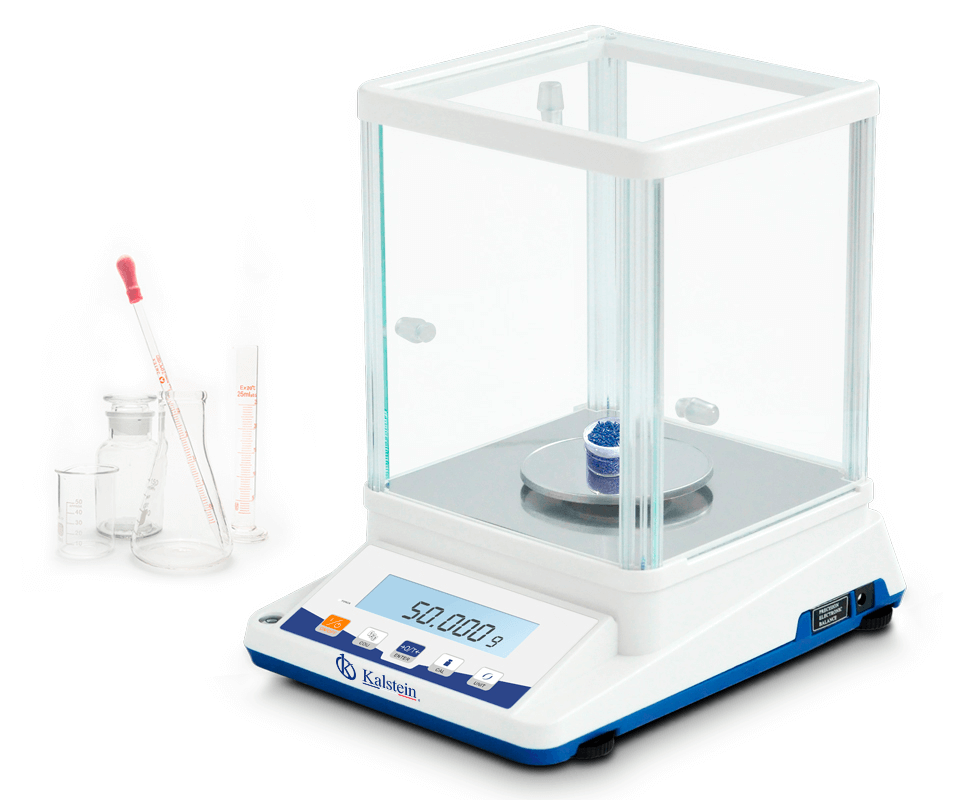
How to Ensure Biosafety Protocols and Safe Operator Handling in Precision Balances
In laboratory settings, precision balances are vital tools that require strict adherence to biosafety protocols and safe handling practices. This article examines how to effectively implement these protocols to protect laboratory personnel and maintain the integrity of experimental results. With a focus on various models of precision balances, we will discuss specific safety features, handling techniques, and compliance with current biosafety regulations.
Understanding Biosafety Protocols for Precision Balances
Biosafety protocols are essential guidelines designed to protect laboratory workers, the environment, and the integrity of research. These protocols include risk assessments, standard operating procedures (SOPs), and the proper use of personal protective equipment (PPE). When working with precision balances, it is crucial to ensure that these protocols are not only understood but also actively implemented.
Precision balances, like the YR05584 and YR05585, provide features that help users adhere to biosafety protocols, such as overload alarms and external calibration options, which ensure accurate measurements even in potentially hazardous environments. Training laboratory staff on these features and their importance is a fundamental step in fostering a culture of safety.
Identifying Risks Associated with Precision Balances
Identifying the risks associated with the use of precision balances is a critical aspect of biosafety. Common risks include exposure to hazardous chemicals, biological materials, and physical injuries from improper handling. For instance, balance models like the YR05586 come with a minimal weighing function, designed to handle small quantities of substances safely. Each laboratory should conduct a thorough risk assessment to identify specific hazards related to their operational context.
Additionally, establishing clear SOPs for handling sensitive materials on precision balances is key. The YR05587, for example, includes features that help minimize contamination risks, such as dust covers and easy-to-clean surfaces. Training sessions focusing on these safety features can significantly reduce the likelihood of accidents.
Implementing Personal Protective Equipment (PPE) Requirements
The use of PPE is a non-negotiable component of laboratory safety. Depending on the materials being handled, appropriate PPE may include gloves, lab coats, goggles, and face shields. When working with precision balances, wearing PPE can prevent exposure to harmful substances and protect against contamination. For example, when using the YR05588, which is suitable for weighing various chemicals, ensuring that all laboratory personnel are properly equipped with PPE is essential.
Training programs should emphasize the importance of PPE and include training on how to properly wear and maintain it. Regular audits and reminders can reinforce compliance with PPE requirements and improve overall safety in the lab.
Establishing Decontamination Protocols
Decontamination protocols are critical for maintaining a safe laboratory environment. These protocols should outline methods for cleaning and disinfecting precision balances after use, especially when handling hazardous materials. The YR05589, with its stainless steel pan, allows for easy cleaning, reducing the risk of cross-contamination.
Establishing a clear schedule for decontamination and providing appropriate cleaning agents can help ensure that all balances remain safe for use. Laboratory staff should be trained on these protocols to ensure consistency and effectiveness.
Comparison of Available Models
| Model | Max Capacity (g) | Readability (g) | Recommended Use |
|---|---|---|---|
| YR05584 | 110 | 0.001 | General lab use with ISO compliance |
| YR05585 | 210 | 0.001 | Pharmaceutical applications |
| YR05586 | 310 | 0.001 | Microbalancing tasks |
| YR05587 | 610 | 0.001 | High-precision measurements |
| YR05588 | 2100 | 0.01 | Chemical analysis |
| YR05589 | 3100 | 0.01 | Routine laboratory tasks |
Common Mistakes and How to Avoid Them
In laboratory settings, common mistakes can undermine biosafety efforts when using precision balances. One frequent error is neglecting to calibrate balances regularly, which can lead to inaccurate measurements. Balances such as the YR05584 and YR05585 are equipped with external calibration options, making it easy to maintain accuracy. Ensure that calibration schedules are adhered to and documented properly.
Another mistake is improper handling of hazardous materials. Laboratory personnel should be trained on the correct procedures for loading and unloading samples on balances like the YR05586, as well as the importance of following the manufacturer’s guidelines. Regular training sessions and reminders can help reinforce best practices.
Frequently Asked Questions
What are the biosafety protocols for using precision balances in labs?
Biosafety protocols for using precision balances include risk assessments, proper use of PPE, and decontamination processes. Models like YR05588 have features that facilitate safe handling, making compliance easier for lab personnel.
How often should precision balances be calibrated for safety compliance?
Precision balances should be calibrated regularly to ensure safety and accuracy. Models like YR05587 offer external calibration options, which are essential for maintaining compliance with safety standards in laboratory environments.
What PPE is necessary when handling hazardous materials on precision balances?
Essential PPE includes gloves, lab coats, and safety goggles when handling hazardous materials using precision balances, such as the YR05586. Proper training on PPE usage is crucial for maintaining safety in the laboratory.
How can I prevent contamination when using precision balances?
Preventing contamination can be achieved through regular decontamination and proper handling procedures. For example, using models like YR05589 that are easy to clean can minimize contamination risks in the lab.
What training should be provided for using precision balances safely?
Training should cover biosafety protocols, proper handling techniques, and the features of specific models like YR05584. Regular training sessions can improve safety compliance and operational efficiency.
Which precision balance models are best for high-precision measurements?
Models like YR05587 are designed for high-precision measurements and can handle delicate weighing tasks effectively while adhering to safety protocols within the laboratory.
If you are looking for a fusion of innovation and quality, you have come to the right place. At Kalstein, we offer you the luxury of exploring our exclusive catalog of laboratory equipment. We manufacture every device to the highest standards of excellence. Our intuitive and seamless online purchasing channels are designed for your convenience, securing the most competitive prices. Hesitate no longer — we bring science to life, it is time to become part of our community.