How to ensure biosafety protocols and safe operator management when using micro-spectrophotometers?
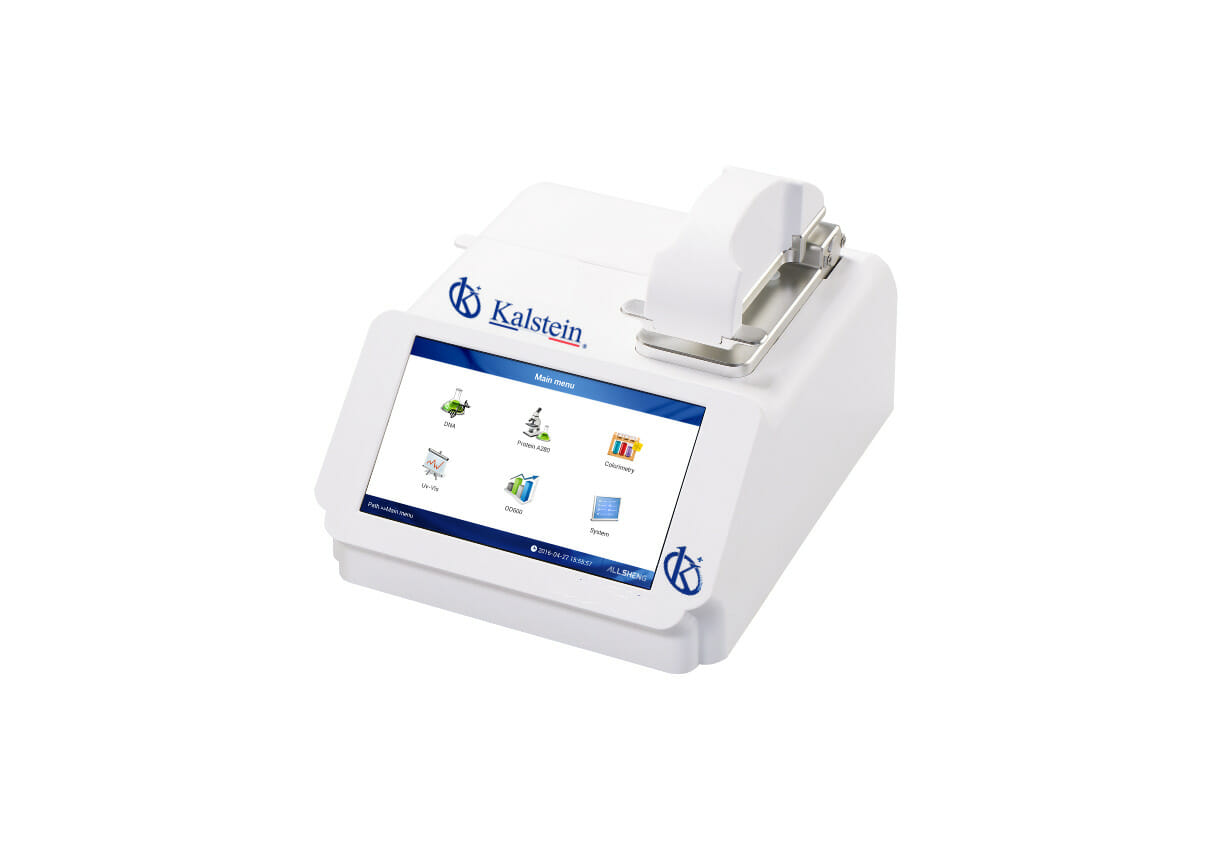
Ensuring biosafety and safe operator practices in laboratories using micro-spectrophotometers is critical for maintaining a safe working environment. As these instruments are often utilized for sensitive applications involving nucleic acids and proteins, it is essential to establish and follow stringent biosafety protocols. This article delves into the specifics of biosafety management, assessing risks associated with micro-spectrophotometer use, and highlights key models available in the market that align with these protocols.
Biosafety Management in Micro-Spectrophotometry
Biosafety management encompasses practices that protect laboratory staff, the environment, and the integrity of biological samples. When working with micro-spectrophotometers, laboratories must consider biological safety levels (BSL) that dictate certain safety measures based on the material being analyzed. Models like the YR06033-1 and YR06035, which can handle small sample volumes (2 μl), also enhance safety by reducing potential exposure to hazardous materials.
Identifying Hazards and Assessing Risks
Laboratories must identify potential hazards associated with micro-spectrophotometer operations, such as exposure to UV light and handling of biological samples. Risk assessment matrices can help categorize and prioritize these hazards, ensuring that appropriate mitigation strategies are in place. For instance, utilizing personal protective equipment (PPE) and implementing aerosol containment measures when analyzing bacterial samples can significantly reduce exposure risks.
Best Practices for Operator Safety
Operator safety is paramount when using micro-spectrophotometers. Laboratories should establish protocols for safe handling of samples and waste disposal. Training operators to use equipment like the YR06034, which requires minimal sample handling, can reduce the risk of contamination and exposure. Additionally, maintaining a clean workspace and using appropriate biosafety cabinets for processing samples are essential steps in safe laboratory practices.
Common Biosafety Protocol Violations and Their Prevention
Common violations in biosafety protocols include improper disposal of biohazardous waste and neglecting PPE guidelines. Regular training sessions and audits can help prevent these violations. Additionally, implementing a checklist for biosafety compliance can aid laboratory staff in adhering to established protocols when operating micro-spectrophotometers.
Comparison of Available Models
| Model | Wavelength Range | Sample Size (μl) | Best for |
|---|---|---|---|
| YR06033-1 | 200-800 nm | 0.5-2 | Nucleic acids, proteins, bacterial growth |
| YR06034 | 260-280 nm | 1-2 | DNA and RNA purity assessment |
| YR06035 | 200-800 nm | 0.5-2 | Advanced nucleic acid detection |
Common mistakes and how to avoid them
When working with micro-spectrophotometers, common mistakes include inadequate maintenance and improper calibration, which can lead to inaccurate results. To avoid these issues, laboratories should establish a regular calibration schedule and ensure that operators are trained in proper maintenance procedures. Furthermore, it's crucial to regularly update biosafety protocols as new information and technologies emerge.
Frequently asked questions
What biosafety level is required for using micro-spectrophotometers with hazardous materials?
Micro-spectrophotometers used with hazardous materials should typically operate under at least BSL-2 conditions. The YR06035, for instance, handles low sample volumes and minimizes exposure risk, making it suitable for such environments.
How can I ensure proper calibration of my micro-spectrophotometer?
Regular calibration of micro-spectrophotometers like the YR06034 is essential for accurate measurements. Laboratories should establish a calibration frequency based on usage, aiming for at least monthly calibrations to comply with best practices.
What PPE is recommended when operating micro-spectrophotometers?
When using micro-spectrophotometers, operators should wear gloves, safety goggles, and lab coats. This is crucial when handling samples that may contain hazardous biological materials.
How do micro-spectrophotometers contribute to biosafety in laboratories?
Micro-spectrophotometers such as the YR06033-1 reduce sample volume requirements, which minimizes exposure to hazardous materials, thus enhancing overall lab biosafety protocols.
What steps should I take to maintain my micro-spectrophotometer?
Regular cleaning, calibration, and following the manufacturer's guidelines are key. For example, the YR06035 should be cleaned after each use to prevent cross-contamination.
How do biosafety protocols improve laboratory efficiency with micro-spectrophotometers?
Implementing biosafety protocols helps prevent contamination and ensures precise results, leading to greater reliability and efficiency in laboratory operations with models like the YR06034.
What are the consequences of ignoring biosafety protocols when using micro-spectrophotometers?
Ignoring biosafety protocols can lead to contamination, inaccurate results, and potential health hazards, emphasizing the importance of adherence in labs using equipment such as the YR06033-1.
Conclusion
Implementing strong biosafety protocols and safe operator management practices is essential when working with micro-spectrophotometers. By understanding the associated risks, regularly training staff, and utilizing the features of advanced models like the YR06035, laboratories can create a safer working environment. Always remember: safety is not just a protocol; it's an integral part of laboratory culture.
If you are looking for a fusion of innovation and quality, you have come to the right place. At Kalstein, we offer you the luxury of exploring our exclusive catalog of laboratory equipment. We manufacture every device to the highest standards of excellence. Our intuitive and seamless online purchasing channels are designed for your convenience, securing the most competitive prices. Hesitate no longer — we bring science to life, it is time to become part of our community.