How to Ensure Biosafety Protocols and Safe Operator Management for Laboratory Equipment
In laboratories, the safety of operators and compliance with biosafety protocols are paramount. This article delves into the biosafety protocols and safe operator management, particularly in the context of laboratory equipment. We will explore various models of laboratory equipment, their compliance features, and how they contribute to a safe working environment.
Understanding Biosafety Levels and Their Importance
Biosafety levels (BSL) are crucial in defining the containment measures necessary for working with pathogenic microorganisms. The levels range from BSL-1, suitable for work with well-characterized agents not known to cause disease in healthy adults, to BSL-4, which involves dangerous pathogens. Knowing the appropriate BSL for your laboratory setting ensures that the right precautions are in place to protect both operators and the environment.
Essential Biosafety Protocols for Laboratory Equipment
Implementing biosafety protocols is fundamental in any laboratory. Key protocols include the use of personal protective equipment (PPE), proper waste disposal methods, and decontamination procedures. Utilizing laboratory equipment that complies with these protocols is vital. Regular equipment maintenance and operator training are also essential components in ensuring safety.
Key Features of Safe Laboratory Equipment
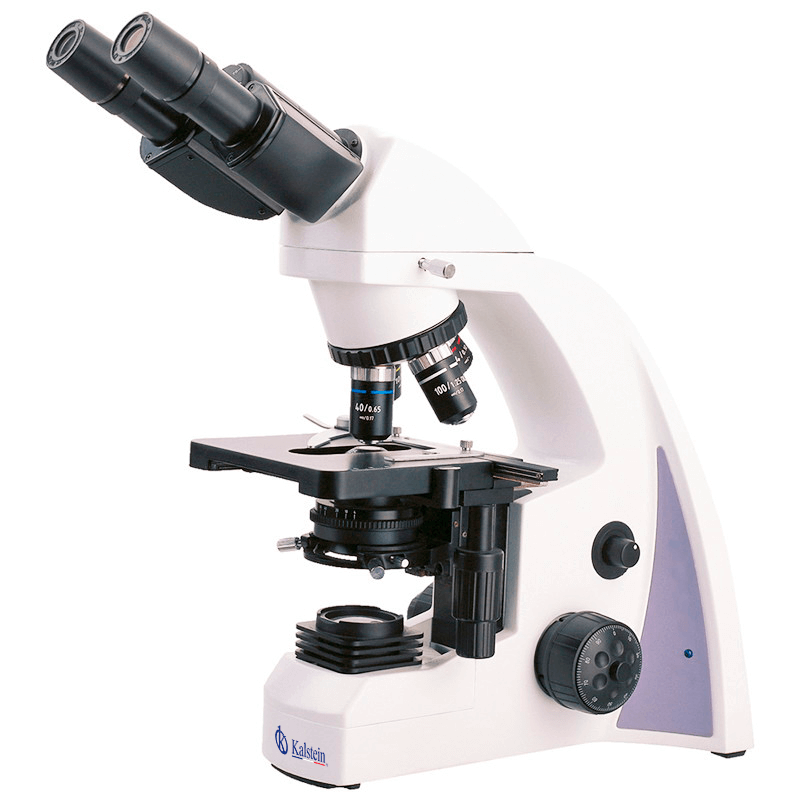
Laboratory equipment must incorporate features that enhance safety. These include user-friendly interfaces, built-in safety alarms, and ergonomic designs that reduce the risk of accidents. Equipment such as the Laboratory Microscope YR0237-0-1 and Fluid Handling Pipettes YR03731-1 offer such features, promoting a safer operational environment.
Training and Operator Management
Operator training is a critical aspect of laboratory safety. Regular training sessions help reinforce the importance of adhering to biosafety protocols and using laboratory equipment safely. Additionally, creating a culture of safety within the laboratory can help minimize risks and ensure all personnel are aware of the necessary protocols.
Emergency Procedures and Risk Assessment
Having clear emergency procedures in place is essential for any laboratory. This includes establishing protocols for spills, exposure to hazardous materials, and equipment failures. Conducting regular risk assessments helps identify potential hazards associated with laboratory equipment, allowing for proactive measures to be taken.
Comparison of Available Models
| Model Code | Type | Key Features | Best For |
|---|---|---|---|
| YR0237-0-1 | Laboratory Microscope | Binocular head, wide-field eyepieces, adjustable condenser | General laboratory use, research studies |
| YR0237-1 | Laboratory Microscope | High-quality optics, easy calibration, user-friendly | Education, clinical labs |
| YR03731-1 | Fluid Handling Pipette | Low operational force, sterilizable, ergonomic design | Precision liquid handling in various applications |
Common Mistakes and How to Avoid Them
A common mistake in laboratories is neglecting regular maintenance of equipment. This can lead to malfunctions that compromise safety. Additionally, underestimating the need for proper PPE can increase the risk of exposure to hazardous materials. Implementing a routine schedule for equipment checks and ensuring that all personnel understand the importance of PPE can help mitigate these risks.
Frequently Asked Questions
What are the best practices for biosafety in laboratory settings?
Best practices include adhering to biosafety levels, using appropriate PPE, and ensuring proper waste disposal. For example, the Laboratory Microscope YR0237-0-1 is designed with safety features that enhance compliance with these practices, making it suitable for various laboratory environments.
How can I enhance operator safety while using laboratory equipment?
Enhancing operator safety can be achieved by providing comprehensive training and ensuring the use of equipment with built-in safety features. The Fluid Handling Pipettes YR03731-1, for instance, are designed for ergonomics and minimal operational force, promoting safer handling in the lab.
What should I consider when selecting laboratory equipment for biosafety compliance?
When selecting laboratory equipment, consider its compliance with necessary biosafety standards, built-in safety features, and ease of use. Models like the Laboratory Microscope YR0237-1 are tailored for safety, making them ideal for biosafety compliance in laboratory settings.
How often should laboratory equipment be maintained for safety?
Laboratory equipment should be maintained regularly, ideally every six months, or according to the manufacturer's guidelines. This ensures functionality and safety, particularly for models such as the Fluid Handling Pipettes YR03731-2, which require precise calibration.
What are the risks of not following biosafety protocols in laboratories?
Not following biosafety protocols can lead to exposure to hazardous materials, contamination of samples, and increased liability for the facility. Ensuring that all equipment, such as the Laboratory Microscope YR0237-1-1, meets safety standards can help mitigate these risks.
How do I implement an effective biosafety training program for my lab?
An effective biosafety training program should include an overview of biosafety levels, equipment usage, and emergency procedures. Periodic refresher courses can also help reinforce these protocols. Utilizing safe models like the Fluid Handling Pipettes YR03731-3 can contribute to a safer training environment.
What documentation is necessary for biosafety compliance in laboratories?
Documentation includes training records, maintenance logs, and risk assessments. Keeping detailed records helps ensure compliance and aids in audits. It is crucial for labs utilizing equipment like the Laboratory Microscope YR0237-0-1 to maintain accurate documentation for safety and compliance.
How can I assess the effectiveness of safety protocols in the lab?
Assessing the effectiveness of safety protocols can be done through regular audits, incident reports, and feedback from laboratory personnel. Using models like the Laboratory Microscope YR0237-1 can help in implementing effective safety protocols due to its user-friendly design and compliance features.
If you are looking for a fusion of innovation and quality, you have come to the right place. At Kalstein, we offer you the luxury of exploring our exclusive catalog of laboratory equipment. We manufacture every device to the highest standards of excellence. Our intuitive and seamless online purchasing channels are designed for your convenience, securing the most competitive prices. Hesitate no longer — we bring science to life, it is time to become part of our community.