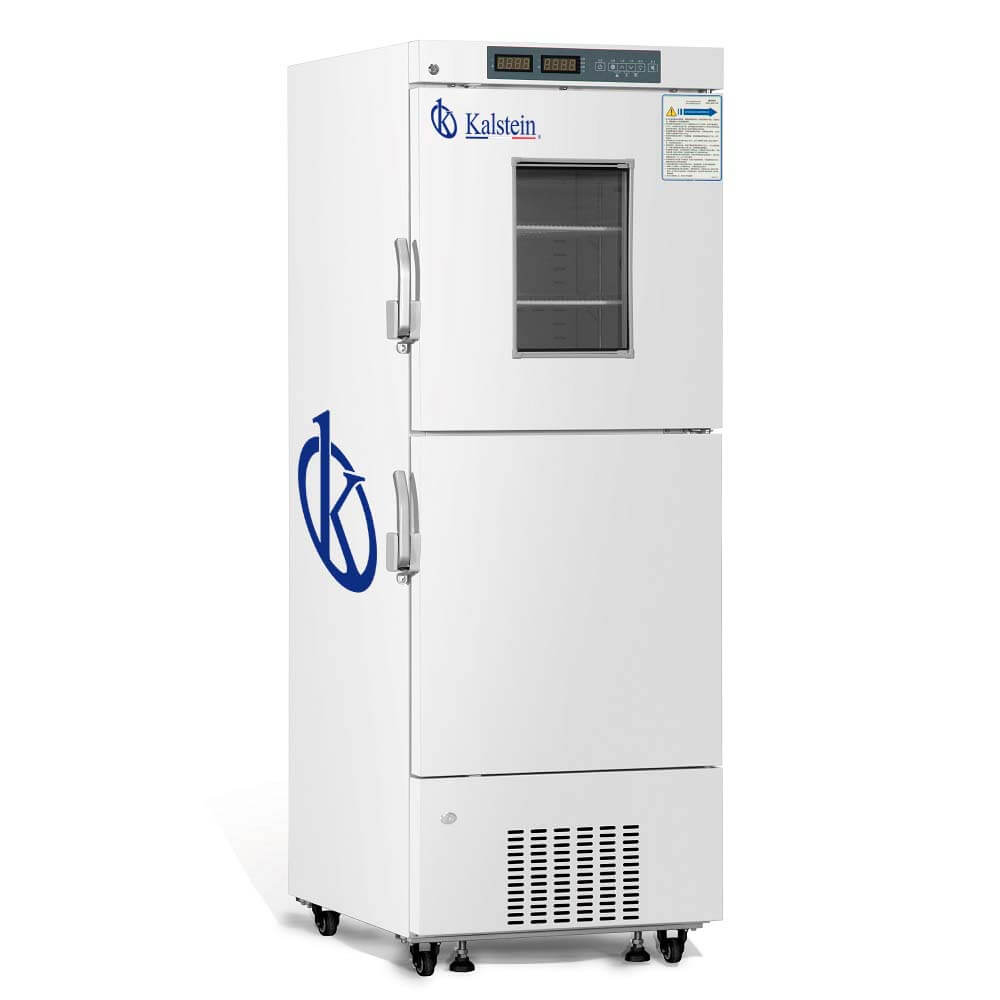
Ensuring Biosafety in the Use of Combined Freezers: Best Practices and Model Comparison
In laboratory environments, the importance of biosafety protocols cannot be overstated. This is particularly true when utilizing combined freezers, which are essential for storing biological materials such as plasma, vaccines, and other sensitive specimens. Understanding how to manage these devices safely while adhering to biosafety standards is crucial for laboratory operators and researchers alike.
The Role of Combined Freezers in Biosafety
Combined freezers are designed with dual compartments, allowing for versatile storage at different temperatures. In laboratories, they are vital for maintaining the integrity of samples and preventing contamination. Implementing effective biosafety protocols ensures that operators remain protected from potential hazards associated with biological materials.
Key Biosafety Protocols for Combined Freezer Use
1. **Personal Protective Equipment (PPE)**: Operators should always wear appropriate PPE, including gloves, lab coats, and goggles, while handling specimens stored in combined freezers.
2. **Regular Maintenance**: Scheduled maintenance of the combined freezers is essential to prevent breakdowns that could jeopardize stored materials. Regular checks help ensure that the devices operate within specified temperature ranges.
3. **Decontamination Protocols**: Prior to maintenance or repairs, ensure that decontamination protocols are followed to minimize exposure to potentially hazardous biological materials.
4. **Aerosol Containment**: When handling volatile substances, ensure that procedures are in place to contain aerosols, which can pose a risk of inhalation.
Comparison of Available Models
| Model | Storage Capacity | Temperature Range (Freezer) | Cooling Method | Best For |
|---|---|---|---|---|
| YR05320 | 368L | -20℃ to -40℃ | Direct cooling | Storing plasma and biological samples |
| YR05321 | Varied | -10℃ to -25℃ | Direct cooling | Blood stations and laboratory use |
| YR05321-1 | Varied | 2℃ to 8℃ (upper), -10℃ to -25℃ (lower) | Direct cooling | Laboratory environments requiring independent temperature control |
Common Mistakes and How to Avoid Them
One common mistake is neglecting routine checks on temperature settings and alarm systems. Ensuring that the freezer operates within the designated temperature range is critical. Additionally, operators sometimes overlook proper labeling of stored materials, which can lead to confusion and cross-contamination. Maintaining accurate records of inventory and usage can help mitigate these risks.
Best Practices for Laboratory Operators
To enhance safety and efficiency in laboratory settings, operators should regularly review biosafety training programs. Familiarizing themselves with the specific models they use, such as the YR05320 or YR05321, and their unique features can further optimize biosafety practices. Systems like these often have built-in alarms that alert users to temperature fluctuations, which is essential for preserving specimen integrity.
Frequently Asked Questions
What are the best biosafety practices for using combined freezers in labs?
Implementing biosafety practices such as wearing PPE, following decontamination protocols, and ensuring regular maintenance can significantly enhance safety when using combined freezers like the YR05320.
How can I ensure my combined freezer maintains the correct temperature?
Regularly check the temperature settings and alarm systems of your combined freezer. Models like the YR05321 have digital displays that make monitoring temperature easier.
Which combined freezer model is best for storing plasma and biological samples?
The YR05320 is particularly suitable for storing plasma and biological samples due to its temperature range of -20℃ to -40℃, ensuring proper preservation.
What should I include in a biosafety protocol for combined freezers?
Your biosafety protocol should include PPE requirements, decontamination procedures, and regular maintenance schedules for models like the YR05321-1.
How often should I maintain my combined freezer?
It is recommended to perform maintenance checks on your combined freezer quarterly or after significant usage to ensure optimal performance, especially for models such as the YR05320.
What kind of PPE is needed when handling materials from combined freezers?
Operators should wear gloves, lab coats, and safety goggles when handling materials from combined freezers to minimize exposure risks.
How can I prevent cross-contamination in combined freezers?
Ensure all samples are clearly labeled and organized within the freezer to prevent cross-contamination. Regular inventory checks will also help maintain organization and safety.
What temperature ranges should I look for in a combined freezer for laboratory use?
Look for combined freezers that offer a temperature range of at least -20℃ to -40℃ for optimal storage of sensitive biological materials, like the YR05320 model.
If you are looking for a fusion of innovation and quality, you have come to the right place. At Kalstein, we offer you the luxury of exploring our exclusive catalog of laboratory equipment. We manufacture every device to the highest standards of excellence. Our intuitive and seamless online purchasing channels are designed for your convenience, securing the most competitive prices. Hesitate no longer — we bring science to life, it is time to become part of our community.