Biosafety Cabinets: Applications in Research, Biotechnology and Academia 2026
What is it used for in 2026
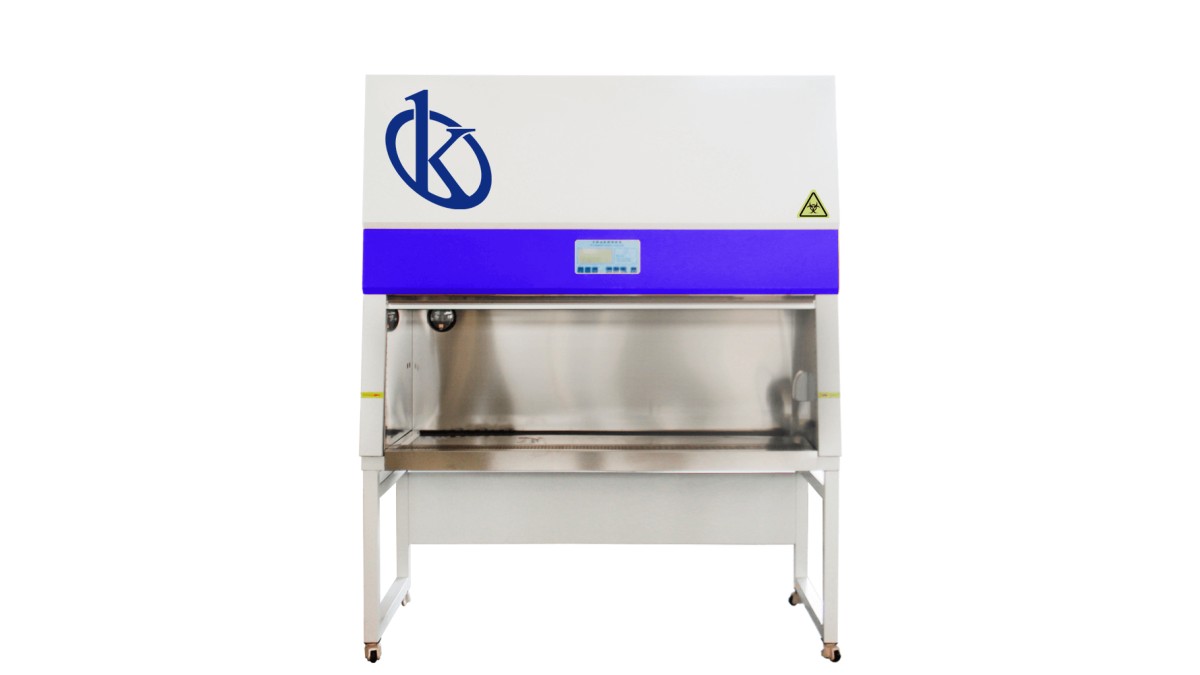
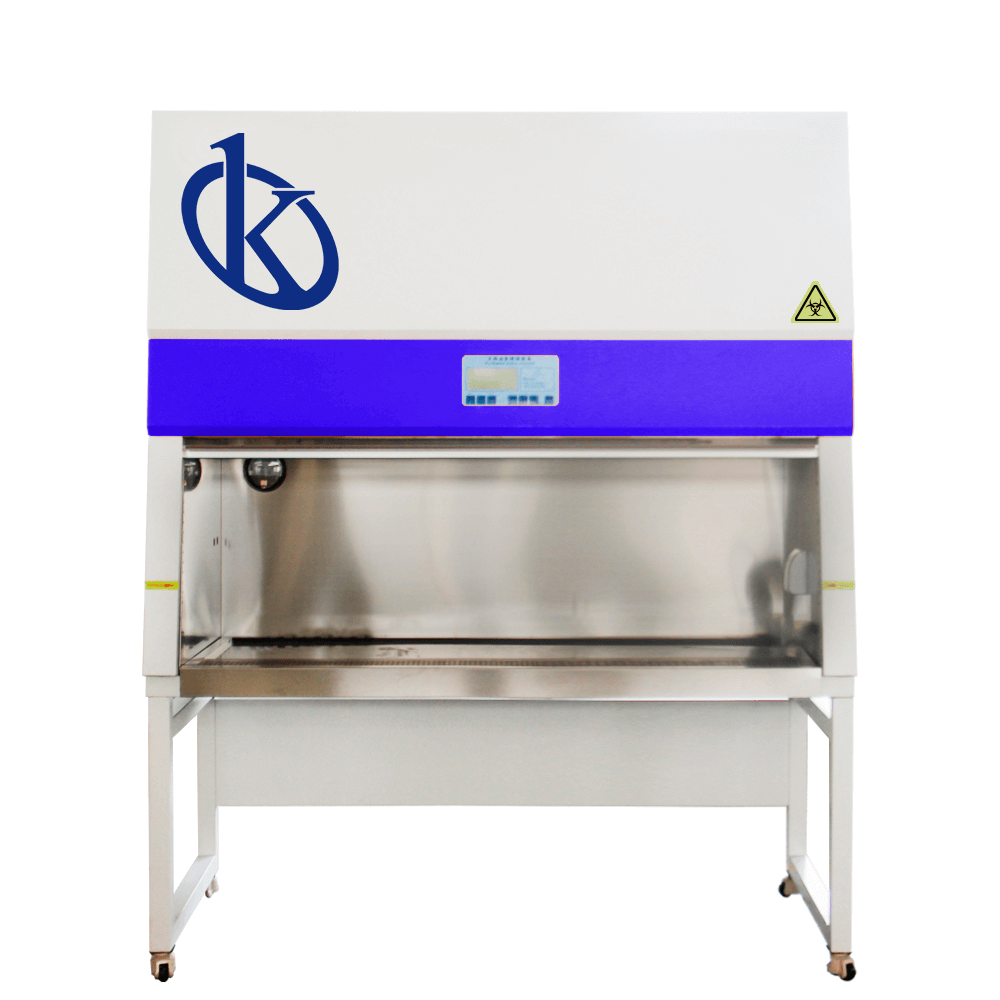
Biosafety cabinets play a critical role in laboratory environments, particularly in research, biotechnology, and academic settings. They provide a sterile environment that prevents contamination during experiments involving hazardous materials, pathogens, or sensitive biological samples. These cabinets are designed to protect both the user and the environment from exposure to harmful agents while ensuring the integrity of the work being conducted.
In 2026, the applications of biosafety cabinets have expanded significantly, owing to advancements in technology and increasing awareness of laboratory safety standards. They are widely used in areas such as microbiology, virology, genetic engineering, and pharmaceutical development. As the demand for safe working conditions grows, understanding the applications of biosafety cabinets becomes paramount for laboratory professionals.
History and evolution of the technology
The concept of biosafety cabinets originated in the early 20th century as a response to the need for safer laboratory practices. The first designs were rudimentary and focused primarily on protecting the operator from harmful exposure. Over the decades, advancements in materials, airflow dynamics, and filtration technologies have transformed biosafety cabinets into sophisticated equipment that not only protects the user but also ensures sample integrity.
By the 1970s, the introduction of HEPA filters marked a significant leap in biosafety cabinet efficiency. This development enabled the safe handling of hazardous microorganisms, leading to their widespread adoption in biological research laboratories. The evolution continued with the introduction of Class II biosafety cabinets, which offer a balanced airflow system for both personnel and environmental protection.
How to use it step by step
- Preparation: Before using the biosafety cabinet, ensure that all necessary materials are gathered and that the workspace is clean. Remove any unnecessary items from the cabinet.
- Power On: Turn on the biosafety cabinet at least 10-15 minutes prior to use to allow the airflow and HEPA filters to stabilize.
- Check Alarms: Ensure that all alarm systems are functioning correctly. This may include airflow alarms and filter integrity checks.
- Positioning: Adjust the height of the glass sash to the recommended level for optimal airflow and safety.
- Work within the Cabinet: Place materials within the cabinet without obstructing airflow. Always work at least 6 inches inside the cabinet to maintain a sterile environment.
- Decontamination: After use, decontaminate the work surface and all materials before removing them from the cabinet.
- Power Off: Follow the proper shutdown procedures after use, ensuring that all materials are safely removed.
Best techniques and protocols
Utilizing best practices when operating a biosafety cabinet is essential for ensuring safety and efficacy. Key techniques include:
- Maintain a clean workspace by routinely disinfecting surfaces.
- Use appropriate personal protective equipment (PPE) such as gloves and lab coats.
- Minimize movement and avoid sudden airflow disruptions while working in the cabinet.
- Implement proper waste disposal protocols for hazardous materials.
- Regularly inspect and maintain the biosafety cabinet, including filter changes and performance checks.
Practical applications by laboratory type
Biosafety cabinets have specific applications based on laboratory types:
- Microbiology Laboratories: Essential for culturing bacteria and viruses while preventing contamination.
- Biotechnology Firms: Used for genetic engineering and development of biopharmaceuticals.
- Academic Research: Critical for teaching and research in microbiology, genetics, and molecular biology.
- Pharmaceutical Companies: Necessary for drug development and testing, ensuring safe handling of compounds.
Regulations, standards and certifications
Compliance with established regulations and standards is vital for laboratory safety. Key standards include:
- NIH Guidelines: Provide foundational safety requirements for handling biohazardous materials.
- ANSI/NSF 49: Sets performance standards for biosafety cabinets, ensuring they meet safety and operational criteria.
- ISO 14644: Addresses cleanliness standards in controlled environments.
Comparison with alternative technologies
While biosafety cabinets are a primary method for maintaining safety in laboratory settings, there are alternative technologies such as fume hoods and glove boxes. Fume hoods protect users from hazardous vapors but do not provide the same level of biological containment. Glove boxes offer a sealed environment for handling hazardous materials but are often more complex and expensive. In contrast, biosafety cabinets combine ease of use with effective biological containment, making them the preferred choice for many laboratory applications.
Comparison of available models
| Model | Best for | Key specs | Recommended use case |
|---|---|---|---|
| YR05704 | General laboratory use | Class 100, 400W, 170KG | Research involving non-volatile agents |
| YR05705 | Higher volume applications | Class 100, 500W, 210KG | Biological research with increased airflow requirements |
| YR05706 | Advanced biological applications | Class 100, 600W, 250KG | Handling of multiple samples in a sterile environment |
| YR0090-A | Small laboratory spaces | Class 100, 600W, 140KG | Ideal for teaching purposes and small-scale research |
| YR05270 | High-security biological applications | ISO Class 5, 2750.00 USD | Pharmaceutical development |
| YR05271 | Advanced cleanroom environments | ISO Class 5, 2940.00 USD | Complex biological assays and testing |
Common mistakes and how to avoid them
Many laboratory professionals make mistakes when using biosafety cabinets, which can compromise safety and efficacy. Common mistakes include:
- Neglecting to check alarms: Always confirm that alarms are functional before starting work.
- Overloading the workspace: Avoid placing too many items in the cabinet that can obstruct airflow.
- Inadequate decontamination: Ensure all surfaces are properly disinfected after use to prevent contamination.
- Incorrect sash height: Always maintain the recommended sash height for optimal airflow.
Maintenance, calibration and good practices 2026
Regular maintenance and calibration of biosafety cabinets are essential to ensure their effective operation. Key practices include:
- Schedule routine inspections and filter changes based on manufacturer recommendations.
- Calibrate airflow settings annually to ensure compliance with safety standards.
- Document all maintenance activities for compliance and operational efficiency.
Cost-benefit analysis 2026
Investing in a biosafety cabinet entails significant upfront costs, but the long-term benefits far outweigh these expenses. Key advantages include:
- Protection against contamination reduces the risk of failed experiments and costly reworks.
- Compliance with safety regulations avoids potential fines and legal repercussions.
- Increased laboratory efficiency through minimized downtime and optimized workflows.
Ultimately, the cost-benefit analysis supports the value of investing in high-quality biosafety cabinets for research and laboratory settings.
Frequently asked questions
What should I consider when choosing a biosafety cabinet?
When selecting a biosafety cabinet, consider the type of work being conducted, the level of containment required, available space, and the cabinet's compliance with safety standards.
How often should I perform maintenance on my biosafety cabinet?
Regular maintenance should be performed at least once a year, or more frequently based on the cabinet's usage and manufacturer's guidelines.
What are the key differences between Class I and Class II biosafety cabinets?
Class I biosafety cabinets provide personnel protection but do not offer product protection. Class II biosafety cabinets protect both personnel and the product from contamination through HEPA filtration and controlled airflow.
Can I use a biosafety cabinet for all types of biological work?
Not all biosafety cabinets are suitable for every type of biological work. It's essential to select a model that meets the specific safety requirements of the materials being used.
What is the optimal sash height for working in a biosafety cabinet?
The optimal sash height is typically between 6 to 8 inches, depending on the model and manufacturer's recommendations, to ensure proper airflow and protection.
How do I know if my biosafety cabinet is functioning properly?
Regular performance testing, including airflow velocity checks and filter integrity assessments, is necessary to ensure that the biosafety cabinet is functioning as intended.
Where can I find more information or request a quote for biosafety cabinets?
You can visit our catalog to explore our range of biosafety cabinets and request a quote for your specific needs.
If you are looking for a fusion of innovation and quality, you have come to the right place. At Kalstein, we offer you the luxury of exploring our exclusive catalog of laboratory equipment. We manufacture every device to the highest standards of excellence. Our intuitive and seamless online purchasing channels are designed for your convenience, securing the most competitive prices. Hesitate no longer — we bring science to life, it is time to become part of our community.