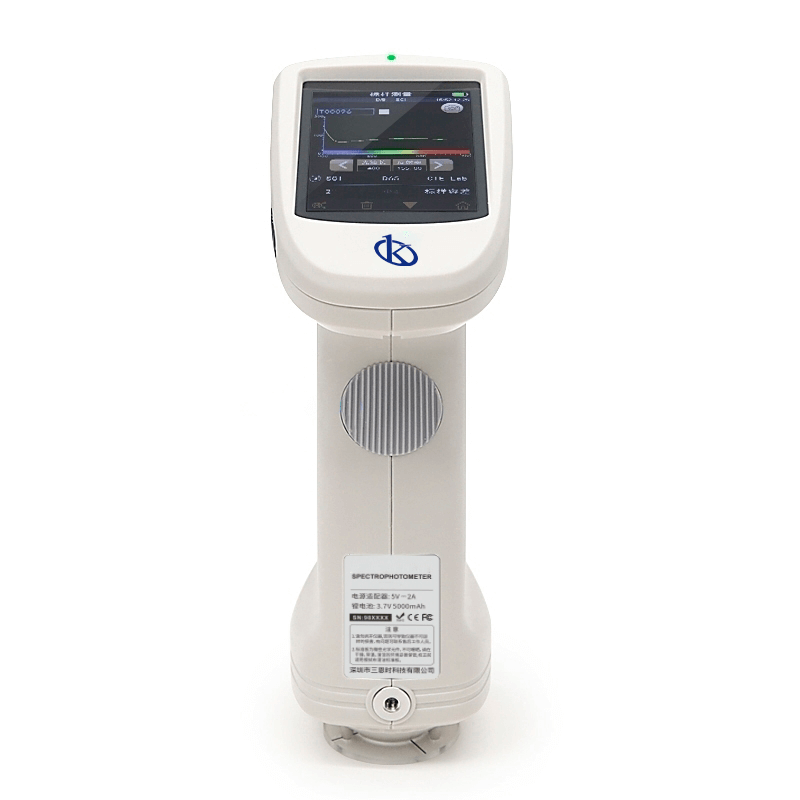
Biological Safety Protocols and Safe Operator Management for Handheld Spectrophotometers
In laboratories where handheld spectrophotometers are utilized, ensuring the safety of operators and compliance with biological safety protocols is paramount. This article delves into the essential protocols that guide the safe operation and handling of these devices, focusing on various models and their roles in maintaining a secure laboratory environment.
Understanding Biological Safety Protocols
Biological safety protocols are designed to mitigate risks associated with handling biological materials and hazardous substances. The protocols encompass a range of practices, including personal protective equipment (PPE), decontamination procedures, and risk assessment methodologies that are crucial for laboratories using handheld spectrophotometers.
Laboratories are typically classified into different biosafety levels (BSLs) which dictate the safety measures required based on the pathogenicity of the materials being handled. Compliance with these protocols not only protects personnel but also ensures the integrity of the results obtained through instruments such as handheld spectrophotometers.
Personal Protective Equipment (PPE) Requirements
Personal protective equipment is a critical component of biological safety protocols. For operators using handheld spectrophotometers, appropriate PPE should include gloves, lab coats, face shields, and eye protection. This equipment helps reduce exposure to hazardous materials that may be encountered during spectrophotometric analyses.
Specific PPE requirements may vary depending on the type of material being tested. For instance, when working with chemical reagents, it is advisable to use chemical-resistant gloves to prevent skin contact. Regular training on the correct use of PPE is essential for ensuring operator safety.
Decontamination Protocols for Handheld Spectrophotometers
Decontamination protocols are vital in preventing cross-contamination and ensuring laboratory safety. When using handheld spectrophotometers, operators must adhere to stringent cleaning guidelines. These guidelines often involve the use of disinfectants that are effective against a broad spectrum of pathogens.
For instance, it is recommended that surfaces and equipment be decontaminated after each use, especially when dealing with biological samples. Establishing a schedule for routine maintenance and decontamination is crucial for sustaining equipment performance and laboratory safety.
Risk Assessment Matrices
Conducting a risk assessment is an integral part of developing effective biological safety protocols. A risk assessment matrix helps identify potential hazards associated with the use of handheld spectrophotometers and evaluates the level of risk involved.
To construct a risk assessment matrix, laboratories should consider factors such as the type of samples being analyzed, the potential for exposure, and the effectiveness of existing safety measures. Regular reviews and updates to the matrix ensure that protocols remain relevant and enhance safety practices.
Comparison of Available Models
| Model | Key Specifications | Best for | Biosafety Compliance |
|---|---|---|---|
| YR05493 | 3 measurement openings; D/8 geometry; complies with multiple standards | Color measurement in various industries | ISO 7724-1, ASTM E1164 |
| YR05494 | 3 measurement openings; stable performance; double openings for precise analysis | Quality control in textiles and automotive | GB/T 3978, ISO 7724-1 |
| YR05495 | Single custom opening; effective in multiple industries | Fine color measurement in ceramics | ISO 7724-1, ASTM E1164 |
| YR05496 | 45/0 measurement system; high-end color management software | Comprehensive color matching studies | CIE No.15, GB/T 3978 |
| YR05499 | Compact design with upgraded features; LED light sources | Portable color matching in field conditions | CIE LAB, ISO 7724-1 |
Common Mistakes and How to Avoid Them
Laboratories often face challenges that can compromise safety and compliance when using handheld spectrophotometers. One common mistake is the inadequate training of personnel on safety protocols. This can lead to improper use of PPE or failure to carry out decontamination procedures effectively.
To mitigate these risks, regular training sessions should be conducted, emphasizing the importance of adhering to biosafety protocols. Additionally, laboratories should ensure that safety equipment is readily available and properly maintained, reducing the potential for accidents.
Frequently Asked Questions
What are the critical biosafety protocols for handheld spectrophotometers?
Essential biosafety protocols for handheld spectrophotometers include the use of appropriate PPE, proper decontamination procedures, and thorough risk assessments. Models like YR05493 comply with ISO 7724-1, enhancing safety during color measurement tasks.
How can I ensure compliance with ISO 7724-1 using a handheld spectrophotometer?
To ensure compliance with ISO 7724-1, operators should regularly calibrate their handheld spectrophotometers, like the YR05494, and adhere to strict decontamination and PPE protocols to mitigate risks associated with hazardous materials.
Which handheld spectrophotometer is best for color measurement in biological samples?
The YR05496 model is particularly well-suited for biological sample analysis, thanks to its 45/0 measurement system and advanced color management software, ensuring high accuracy and compliance with relevant safety standards.
Why is personal protective equipment important for spectrophotometer operators?
PPE is vital for protecting operators from potential exposure to harmful chemicals and biological materials during spectrophotometric analyses. Proper use of PPE, such as gloves and lab coats, helps minimize health risks in the lab environment.
What are effective decontamination strategies for handheld spectrophotometers?
Effective decontamination strategies for handheld spectrophotometers involve using approved disinfectants and adhering to specific cleaning protocols after each use, which is essential for preventing cross-contamination and ensuring operator safety.
How often should risk assessments be conducted in laboratories using handheld spectrophotometers?
Risk assessments in laboratories should be conducted at least annually or whenever there are changes in the materials being analyzed or the introduction of new equipment, ensuring that protocols remain relevant and effective.
What are the benefits of using a handheld spectrophotometer in compliance with biosafety protocols?
Using handheld spectrophotometers, such as the YR05495, in compliance with biosafety protocols enhances laboratory safety by reducing exposure risks and ensuring reliable, accurate results while maintaining a secure working environment.
Conclusion
Ensuring the safety of operators while using handheld spectrophotometers requires a comprehensive understanding of biological safety protocols, the use of proper PPE, and adherence to decontamination practices. By following these guidelines and incorporating effective risk assessment matrices, laboratories can create a safer working environment.
If you are looking for a fusion of innovation and quality, you have come to the right place. At Kalstein, we offer you the luxury of exploring our exclusive catalog of laboratory equipment. We manufacture every device to the highest standards of excellence. Our intuitive and seamless online purchasing channels are designed for your convenience, securing the most competitive prices. Hesitate no longer — we bring science to life, it is time to become part of our community.