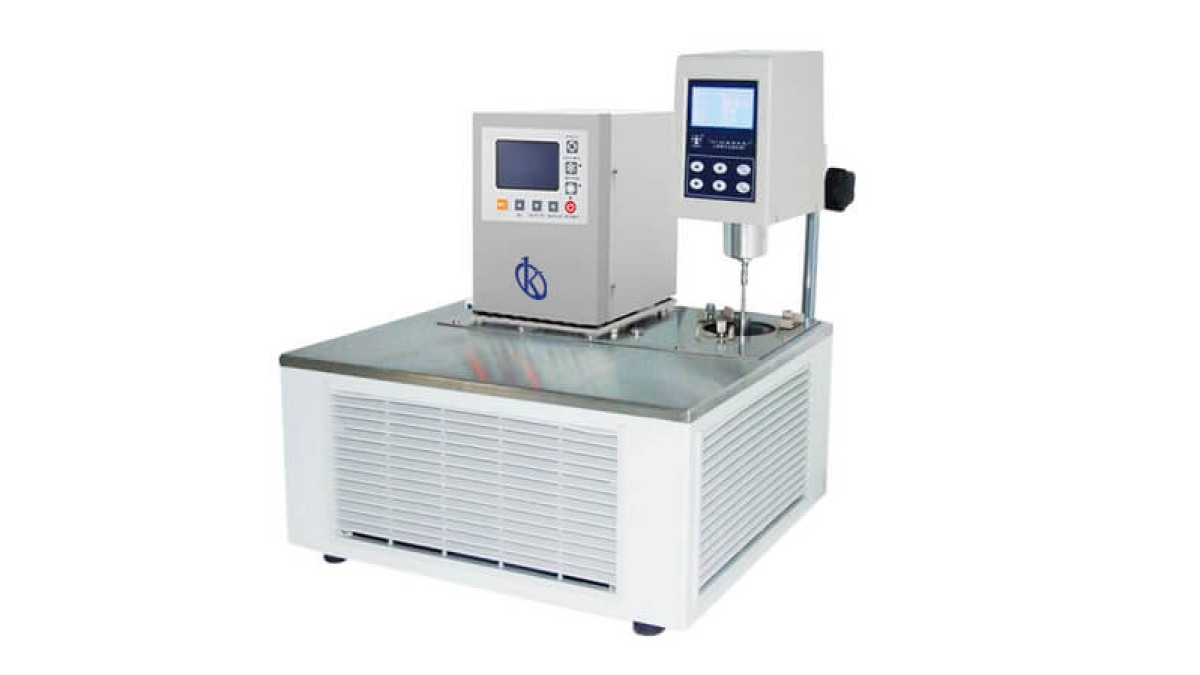
Bath Circulators: Common Mistakes and How to Avoid Them in Daily Operation 2026
Bath circulators are essential tools used in laboratories for precise temperature control. These devices find a wide application in different scientific experiments and processes. However, many laboratory professionals encounter common operational mistakes that can lead to inefficiencies or even equipment damage. This article will guide you through the various applications, best practices, and common pitfalls associated with bath circulators, ensuring that you optimize their usage in your laboratory workflow.
What is it used for in 2026
In 2026, bath circulators are primarily used for maintaining a constant temperature in various laboratory applications. Their versatility allows them to be utilized for:
- Viscometry: Providing precise temperature control for viscosity measurements.
- Chemical synthesis: Ensuring that reactions occur at controlled temperatures.
- Biological experiments: Offering stable conditions for life sciences research.
- Material testing: Assessing the thermal properties of materials under controlled conditions.
History and evolution of the technology
The technology behind bath circulators has evolved significantly since their inception. Initially, basic heating elements were used to warm water, with minimal control over temperature settings. Over the years, advancements in PID (Proportional-Integral-Derivative) control algorithms have allowed for more precise temperature regulation, minimizing fluctuations and enhancing accuracy.
Modern bath circulators now incorporate high-efficiency compressors and advanced control systems, making them suitable for a broader range of applications. Laboratories have benefited from these innovations, improving experimental reliability and reducing the incidence of errors in temperature-sensitive processes.
How to use it step by step
Using a bath circulator effectively involves several steps that ensure optimal performance:
- Setup: Place the bath circulator in a suitable location, ensuring adequate ventilation and accessibility.
- Fill the bath: Use distilled water or another suitable fluid to fill the bath up to the recommended level, avoiding overfilling.
- Connect power: Plug the unit into a secure power source, ensuring that the voltage matches the equipment requirements.
- Temperature settings: Set the desired temperature using the digital interface, ensuring to account for the specific application needs.
- Monitoring: Regularly check the LCD display for temperature stability and make any necessary adjustments.
- Cleanup: After use, carefully drain the bath, clean it, and store the equipment properly.
Best techniques and protocols
To maximize the effectiveness of your bath circulator, consider the following techniques:
- Regularly calibrate the temperature sensor to ensure accurate readings.
- Preheat the water bath before starting critical experiments to minimize lag time.
- Use appropriate fluid for your specific application, as this can affect heat transfer efficiency.
- Monitor the operating environment for external temperature influences, adjusting settings accordingly.
Practical applications by laboratory type
Bath circulators serve various laboratory types:
- Chemical laboratories: Ideal for conducting reactions requiring precise thermal control.
- Biological research facilities: Used to maintain optimal incubation temperatures.
- Material testing labs: Assist in evaluating thermal properties of new materials.
- Pharmaceutical development: Ensure consistent conditions when formulating new drugs.
Regulations, standards and certifications
When using bath circulators, it is crucial to adhere to relevant regulations and standards such as:
- ISO 9001 for quality management systems.
- ASTM standards for material testing protocols.
- FDA guidelines for pharmaceutical applications.
These regulations ensure that experiments are conducted safely and provide reliable data for research and product development.
Comparison with alternative technologies
Bath circulators are often compared to other temperature control technologies, such as:
- Water baths: Simpler, but less precise than circulators.
- Cooling jackets: Effective for specific applications but require complex setups and can be less stable.
- Refrigerated circulators: Offer similar features but typically at a higher cost and complexity.
The choice between these technologies depends on the specific requirements of the laboratory and the nature of the experiments being conducted.
Comparison of available models
| Model | Best for | Key specs | Recommended use case |
|---|---|---|---|
| YR04985 | Viscometry | Temperature range: -5 ~ 99.9°C, Resolution: 0.1°C | Precision viscosity measurements |
| YR04999 | Chemical synthesis | Temperature range: -30 ~ 100°C | Stable conditions for chemical reactions |
| YR04996 | Biological experiments | Temperature range: -5 ~ 100°C | Research in life sciences |
| YR04988 | Material testing | Temperature range: -20 ~ 100°C | Evaluating thermal properties |
| YR04989 | Pharmaceutical development | Temperature range: -30 ~ 100°C | Formulating new drug compounds |
| YR04986 | General laboratory use | Temperature range: -5 ~ 100°C | Various laboratory applications |
Common mistakes and how to avoid them
Laboratories often face several common mistakes when using bath circulators:
- Overfilling the bath: This can lead to spills and equipment damage. Always follow the manufacturer's filling instructions.
- Ignoring calibration: Failing to calibrate regularly can result in inaccurate temperature readings. Make calibration a routine part of your maintenance schedule.
- Using unsuitable fluids: Not all fluids are suitable for every application. Ensure you use the recommended fluids for optimal performance.
- Neglecting cleanliness: Residue buildup can affect performance. Regularly clean the bath and components.
Maintenance, calibration and good practices 2026
To ensure longevity and optimal performance of bath circulators, follow these maintenance practices:
- Calibrate temperature sensors monthly, using certified equipment.
- Periodically check for leaks and ensure all connections are secure.
- Clean the bath and surrounding area after each use to prevent contamination.
- Store the circulator in a dry, dust-free environment when not in use.
Cost-benefit analysis 2026
Investing in a bath circulator can be justified through several cost-benefit considerations:
- Increased accuracy leads to better research outcomes, saving time and resources.
- Reduced operational errors can prevent costly mistakes in experimental setups.
- The versatility of bath circulators allows their use across various applications, maximizing return on investment.
While the initial cost may be significant, the long-term benefits and improved efficiency make bath circulators a valuable asset in any laboratory.
Frequently asked questions
What should I consider when choosing a bath circulator?
When choosing a bath circulator, consider the temperature range, accuracy, and capacity you will need for your specific applications. Evaluate the space available in your laboratory and compare the models that fit your requirements.
How often should I calibrate my bath circulator?
It is recommended to calibrate your bath circulator at least once a month to ensure accurate temperature readings. For critical applications, more frequent calibration may be necessary.
Can I use tap water in my bath circulator?
It is advisable to use distilled or deionized water to prevent mineral buildup and ensure optimal heat transfer. Tap water may contain impurities that can affect performance and longevity.
What maintenance is required for bath circulators?
Regular maintenance includes cleaning the unit, calibrating the temperature sensor, and checking for leaks. Following the manufacturer's guidelines will help maintain optimal performance.
How do I avoid overheating in my bath circulator?
To prevent overheating, ensure that the temperature settings are appropriate for your application. Regularly monitor the system and ensure that the water level is maintained. Implementing a proper alarm system can also help mitigate this risk.
What is the best practice for draining the bath circulator?
After use, allow the circulator to cool down before draining. Follow the manufacturer’s instructions for draining to avoid any damage or spillage.
How can I ensure the longevity of my bath circulator?
To extend the lifespan of your bath circulator, conduct regular maintenance, use appropriate fluids, and store the unit properly when not in use. Following these guidelines will help maintain its efficiency and reliability.
If you are looking for a fusion of innovation and quality, you have come to the right place. At Kalstein, we offer you the luxury of exploring our exclusive catalog of laboratory equipment. We manufacture every device to the highest standards of excellence. Our intuitive and seamless online purchasing channels are designed for your convenience, securing the most competitive prices. Hesitate no longer — we bring science to life, it is time to become part of our community.