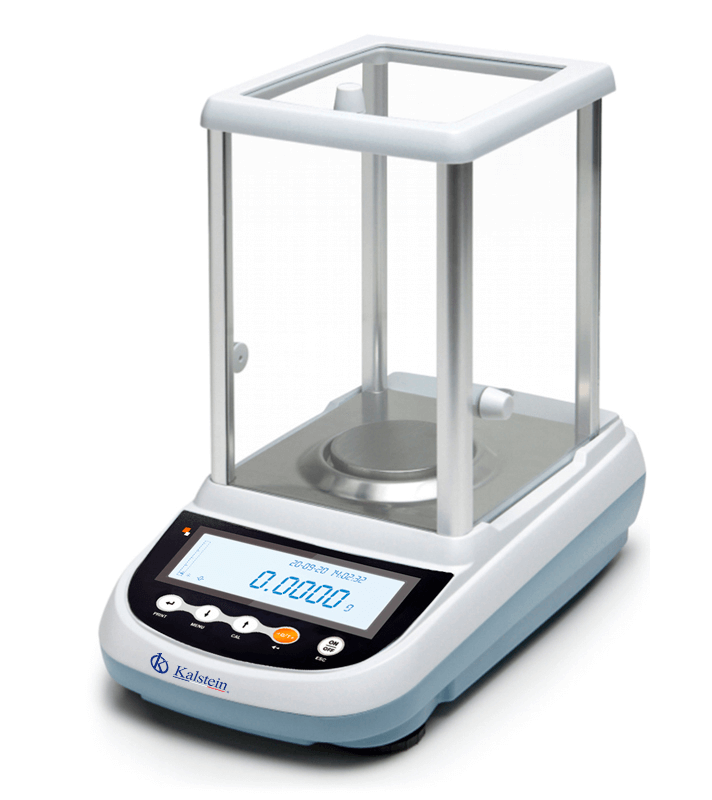
How Analytical Balances Enhance Energy Sustainability in Laboratories
In the ever-evolving landscape of laboratory technology, energy sustainability and minimizing environmental footprints have become pressing priorities. Analytical balances play a crucial role in achieving these goals by offering precision measurement capabilities while being designed to maximize energy efficiency. This article delves into the various analytical balance models available and how they can significantly contribute to energy sustainability within laboratory environments.
Understanding Energy Sustainability in Laboratory Contexts
Energy sustainability in laboratories refers to practices that reduce energy consumption and environmental impact while maintaining operational efficiency. As laboratories continue to consume significant energy, the integration of energy-efficient equipment like analytical balances becomes essential. These balances not only improve measurement accuracy but also are designed to lower energy usage through features such as automatic shut-off, low power consumption modes, and improved calibration processes that minimize waste.
Key Features of Energy-Efficient Analytical Balances
Modern analytical balances incorporate several features that enhance energy efficiency. Some key characteristics include:
- Automatic Calibration: Models like the YR05568 and YR05569 come with internal calibration functions that ensure accuracy without frequent manual intervention, reducing energy spent on recalibration.
- Low Power Consumption: Many models are designed to operate efficiently at lower power levels, resulting in substantial energy savings over time.
- Quick Stabilization Times: Balances that stabilize quickly, such as the YR05573, can decrease the time that units are powered on, thus conserving energy.
Comparison of Available Models
| Model | Capacity (g) | Resolution (g) | Price (USD) | Energy Features |
|---|---|---|---|---|
| YR05568 | 220 | 0.1 mg | 790.00 | Automatic calibration, quick stabilization |
| YR05569 | 310 | 0.1 mg | 825.00 | Energy-efficient design, low power consumption |
| YR05570 | 410 | 0.1 mg | 1080.00 | Internal calibration, rapid stabilization |
| YR05571 | 510 | 0.1 mg | 1125.00 | Automatic shut-off feature |
| YR05572 | 610 | 0.1 mg | 1240.00 | Low energy operation, efficient design |
| YR05573 | 100 | 0.0001g | 325.00 | Automatic internal calibration, eco-friendly design |
Impact of Analytical Balances on Energy Consumption
Using analytical balances that focus on energy efficiency can lead to a drastic reduction in overall laboratory energy consumption. For example, a laboratory that operates multiple balances can save hundreds of kilowatt-hours annually by selecting models that feature automatic shut-off and efficient calibration systems.
Energy Consumption Comparison by Model
| Model | Average kWh Used per Month | Annual Energy Savings Potential (kWh) |
|---|---|---|
| YR05568 | 10 | 120 |
| YR05569 | 9 | 108 |
| YR05570 | 8 | 96 |
| YR05571 | 7 | 84 |
| YR05572 | 6 | 72 |
| YR05573 | 5 | 60 |
Common Mistakes and How to Avoid Them
When integrating analytical balances into laboratory workflows, common pitfalls can undermine energy sustainability efforts. Here are some common mistakes:
- Neglecting Calibration: Failing to regularly calibrate analytical balances can lead to errors in measurements, resulting in wasted materials and energy. Ensure that you use models like YR05568 that have automatic calibration features.
- Overlooking Power Settings: Many users do not adjust power settings on their balances. Utilize balances with low energy modes to maximize energy savings.
- Ignoring Maintenance: Neglecting regular maintenance can lead to increased energy consumption. Regular cleaning and servicing can help maintain performance and efficiency.
Frequently Asked Questions
How can I measure energy savings from analytical balances in my laboratory?
To effectively measure energy savings, track the kWh consumption of your analytical balances, specifically models like YR05570, which have energy-efficient designs. Monitor usage patterns over a few months to determine the overall savings potential compared to older models.
What are the best practices for using analytical balances to reduce environmental impact?
Best practices include regular calibration using models such as YR05569, implementing energy-saving settings, and minimizing idle time. You can significantly reduce environmental impacts by ensuring that balances operate efficiently.
Which analytical balances offer the best energy-efficient features?
Models like YR05573 provide advanced energy-efficient features, including automatic calibration and eco-friendly design. These features help maintain precision while reducing energy consumption in laboratories.
How does the price of energy-efficient analytical balances compare to traditional models?
While energy-efficient models like YR05572 may have a higher upfront cost, their lower energy consumption and maintenance costs provide long-term savings. Compare the initial investment with potential savings over time to assess overall value.
What role do analytical balances play in compliance with energy regulations?
Analytical balances such as YR05568 support compliance with energy regulations by minimizing energy use and operational waste. Choosing compliant models ensures labs meet sustainability goals and adhere to regulatory standards.
How often should I calibrate my analytical balance for optimal energy efficiency?
Calibration frequency depends on usage. However, using models like YR05571 with automatic calibration features can reduce the need for frequent manual calibrations, ensuring optimal energy efficiency while maintaining accuracy.
Can using analytical balances impact my laboratory’s overall energy footprint?
Yes, using energy-efficient analytical balances such as YR05569 can significantly impact your laboratory's energy footprint. By optimizing energy use, you can contribute to broader sustainability goals within your facility.
What is the most energy-efficient model of analytical balance available?
The YR05573 is often regarded as one of the most energy-efficient models, featuring automatic calibration and low power consumption, which are essential for reducing energy use in laboratory settings.
If you are looking for a fusion of innovation and quality, you have come to the right place. At Kalstein, we offer you the luxury of exploring our exclusive catalog of laboratory equipment. We manufacture every device to the highest standards of excellence. Our intuitive and seamless online purchasing channels are designed for your convenience, securing the most competitive prices. Hesitate no longer — we bring science to life, it is time to become part of our community.