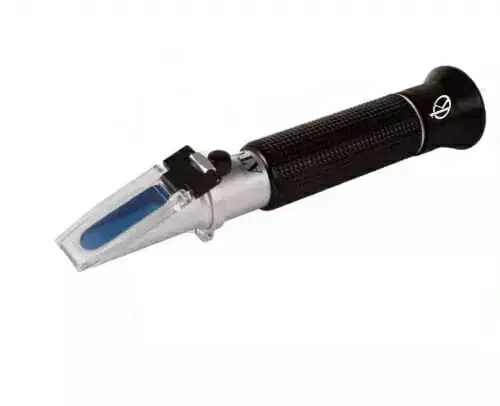
Achieving ISO/IEC Compliance in Laboratory Settings with Car Refractometers
In the laboratory environment, precision and compliance with international standards are paramount. ISO/IEC standards such as ISO 17025 outline requirements for the competence of testing and calibration laboratories. This article explores how car refractometers can assist in achieving these compliance requirements while offering versatility for various testing scenarios.
Understanding ISO/IEC Standards Relevant to Car Refractometers
ISO/IEC standards are frameworks that ensure quality and reliability in laboratory testing. For laboratories using car refractometers, compliance predominantly revolves around the ISO 17025 standard, which emphasizes the technical competence of testing laboratories. This includes calibration, validation, and proper documentation of tests conducted with refractometers.
Compliance and Calibration Procedures
Calibration is essential for maintaining ISO/IEC compliance. Each car refractometer model, such as the YR05916 or YR05917, must undergo regular calibration checks to ensure accuracy. The calibration protocol typically includes using standard solutions with known refractive indices to confirm the accuracy of measurements. Documenting these calibrations is a vital component of compliance, ensuring traceability and reproducibility of results.
Key ISO/IEC Standards Impacting Laboratory Practices
Several critical standards impact laboratory practices, including:
- ISO 17025: Specifies general requirements for the competence of testing and calibration laboratories.
- ISO 15189: Focuses on the quality and competence of medical laboratories.
- IEC 61010: Relates to the safety requirements for electrical equipment used in measurement, control, and laboratory processes.
Laboratories employing car refractometers need to incorporate these standards into their operational protocols to demonstrate compliance.
Documentation and Traceability in Compliance
Maintaining meticulous documentation is essential for demonstrating compliance with ISO/IEC standards. This includes tracking calibration records, test results, and compliance audits. Each unit of equipment, including car refractometers like the YR05918, should have a unique identifier to ensure traceability. This practice not only aids in compliance but enhances overall laboratory efficiency.
Comparison of Available Models
| Model | ISO/IEC Clauses Covered | Traceability Features | Best For |
|---|---|---|---|
| YR05916 | ISO 17025, IEC 61010 | Calibration logs, unique identifier | Automotive fluid testing |
| YR05917 | ISO 17025, IEC 61010 | Calibration logs, unique identifier | Coolant concentration testing |
| YR05918 | ISO 17025, IEC 61010 | Calibration logs, unique identifier | Windshield washer fluid testing |
| YR05919 | ISO 17025, IEC 61010 | Calibration logs, unique identifier | General automotive fluid analysis |
| YR05920 | ISO 17025, IEC 61010 | Calibration logs, unique identifier | Multi-fluid testing |
| YR05921 | ISO 17025, IEC 61010 | Calibration logs, unique identifier | Specialized automotive applications |
Common Mistakes and How to Avoid Them
Laboratories often face challenges in maintaining ISO/IEC compliance. Here are some common mistakes:
- Neglecting regular calibration checks can lead to inaccurate results.
- Inadequate documentation can hinder traceability and compliance verification.
- Failure to train staff on compliance protocols may result in unintentional breaches.
To avoid these pitfalls, regular audits, comprehensive training sessions, and strict adherence to documentation protocols are recommended.
Frequently Asked Questions
How can car refractometers help achieve ISO 17025 compliance?
Car refractometers like the YR05916 support ISO 17025 compliance by ensuring accurate measurements through proper calibration and documentation. Their design allows for easy traceability, which is crucial in meeting laboratory standards.
What are the key features of a compliant car refractometer?
A compliant car refractometer, such as the YR05918, should feature automatic temperature compensation (ATC), calibration logs, and unique identifiers for traceability. These features aid in maintaining compliance with ISO/IEC standards.
How often should I calibrate my car refractometer to remain compliant?
It is recommended to calibrate car refractometers such as the YR05917 at least once per month, or more frequently depending on usage. Regular calibration ensures ongoing accuracy and compliance with ISO 17025.
What documentation is required for car refractometer compliance?
Documentation for compliance includes calibration records, test results, and maintenance logs. Keeping thorough records for models like the YR05919 ensures traceability and adherence to ISO/IEC standards.
Which car refractometer is best for testing antifreeze concentrations in compliance scenarios?
The YR05916 is particularly well-suited for testing antifreeze concentrations, offering precise readings necessary for compliance with ISO standards. Its features ensure that testing meets regulatory requirements effectively.
How do I ensure my laboratory meets IEC 61010 standards when using car refractometers?
To meet IEC 61010 standards, ensure that car refractometers, such as the YR05920, comply with electrical safety protocols and are maintained properly to avoid hazards during testing procedures.
What are the benefits of using ATC in car refractometers for compliance?
Automatic Temperature Compensation (ATC) in car refractometers like the YR05921 enhances measurement accuracy regardless of temperature variations, which is essential for maintaining compliance with ISO standards.
Can car refractometers be integrated into a laboratory information management system (LIMS) for compliance?
Yes, many car refractometers, including the YR05918, can be integrated into a LIMS. This integration helps automate data collection, ensuring compliance with ISO/IEC documentation requirements.
If you are looking for a fusion of innovation and quality, you have come to the right place. At Kalstein, we offer you the luxury of exploring our exclusive catalog of laboratory equipment. We manufacture every device to the highest standards of excellence. Our intuitive and seamless online purchasing channels are designed for your convenience, securing the most competitive prices. Hesitate no longer — we bring science to life, it is time to become part of our community.