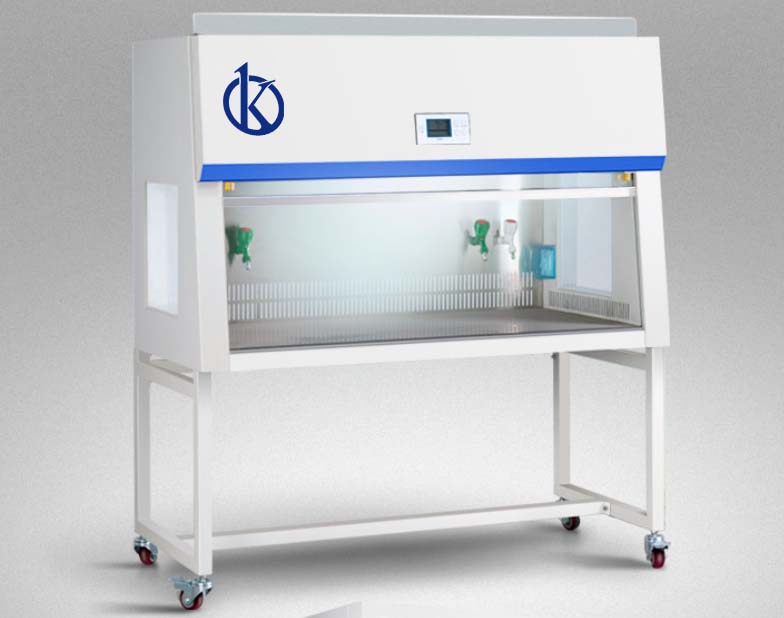
Academic Research Use Cases for Vertical Laminar Flow Clean Benches
Vertical laminar flow clean benches are essential components in laboratory setups, particularly in academic research. These specialized cabinets provide a controlled, sterile environment, facilitating reliable experimental outcomes by protecting sensitive samples from airborne contaminants. This article delves into various use cases, highlighting how these clean benches contribute to the efficiency and efficacy of university research projects.
Understanding Vertical Laminar Flow Clean Benches
Vertical laminar flow clean benches, characterized by their vertical airflow design, ensure a constant supply of filtered air, creating a sterile workspace. Unlike conventional fume hoods, these benches allow for maximum visibility and accessibility, making them ideal for delicate tasks.
Applications in Academic Research
These clean benches are invaluable in numerous academic fields:
- Biological Sciences: They are used for cell culture, microbiological studies, and other sensitive procedures requiring aseptic conditions.
- Chemistry: Researchers utilize these benches for experiments involving reactive or volatile substances, ensuring sample integrity.
- Material Science: They facilitate the handling of sensitive materials that must be protected from environmental contaminants.
Comparison of Available Models
| Model | Price (USD) | Ideal Use Case | Cleanliness Class | Dimensions (mm) |
|---|---|---|---|---|
| YR05267-1 | 1600.00 | Biotechnology and Pharmaceutical Research | ISO Class 5 | 1585×1460×735 |
| YR05734 | 240.00 | General Laboratory Use | Class 100 | 650×530×850 |
| YR05735 | 300.00 | General Laboratory Use | Class 100 | 850×530×850 |
| YR05736 | 420.00 | Biological Studies | Class 100 | 860×590×1600 |
| YR05737 | 650.00 | Advanced Research in Microbiology | Class 100 | 1310×590×1600 |
| YR05738 | 590.00 | Medical and Health Research | Class 100 | 1040×690×1600 |
Common Mistakes and How to Avoid Them
When utilizing vertical laminar flow clean benches, researchers often encounter several pitfalls:
- Neglecting Maintenance: Regular checks and filter replacements are crucial to maintain cleanroom standards.
- Improper Usage: Users should avoid overcrowding the bench, which can disrupt airflow and increase contamination risks.
- Ignoring Training: Proper training on the use of clean benches is essential to maximize their effectiveness.
Enhancing Research Productivity
Vertical laminar flow clean benches significantly increase laboratory productivity. By minimizing contamination, they enable quicker turnaround times for experiments, reducing the rework caused by failed cultures or tests. Additionally, their user-friendly design allows for efficient multitasking and sample handling.
Key Features to Consider
When selecting a vertical laminar flow clean bench for academic research, consider the following features:
- Airflow Speed: Models like the YR05267-1 offer adjustable airflow speeds, enhancing usability across different applications.
- Filtration Efficiency: Ensure the model has HEPA filters for optimal performance in sterile environments.
- Size and Configuration: The size should accommodate the specific needs of your laboratory space without compromising airflow and accessibility.
Frequently Asked Questions
What are the benefits of using a vertical laminar flow clean bench in a biology lab?
Vertical laminar flow clean benches, such as the YR05267-1, provide a sterile environment crucial for biological experiments, minimizing contamination risks and enhancing the reliability of results.
How do I maintain the cleanliness of a vertical laminar flow clean bench?
Regular filter replacement and scheduled maintenance are essential for models like the YR05734. Following the manufacturer's guidelines ensures optimal airflow and prevents contamination.
Which vertical laminar flow clean bench is best for microbiological experiments?
The YR05737 model, with its Class 100 cleanliness rating, is ideal for microbiological experiments due to its excellent filtration and airflow characteristics.
What features should I prioritize when selecting a clean bench for academic research?
Prioritize airflow speed, filtration efficiency, and internal dimensions. The YR05736 offers features that support diverse academic research applications.
Can a vertical laminar flow clean bench reduce experiment failures in a laboratory?
Yes, using models like the YR05738 can significantly reduce experiment failures by providing a contaminant-free environment, enhancing reproducibility in research.
What is the average lifespan of filters in vertical laminar flow clean benches?
Most HEPA filters in clean benches like the YR05735 last about 6 to 12 months, depending on usage frequency and environmental conditions, necessitating regular checks.
Why is proper training important for using vertical laminar flow clean benches?
Proper training ensures users understand airflow dynamics and best practices, reducing contamination risks and maximizing the effectiveness of models like the YR05736.
How can vertical laminar flow clean benches aid in research grant applications?
These clean benches enhance experimental reliability, which is crucial for successful research grant applications. Models like YR05267-1 demonstrate commitment to quality in research environments.
If you are looking for a fusion of innovation and quality, you have come to the right place. At Kalstein, we offer you the luxury of exploring our exclusive catalog of laboratory equipment. We manufacture every device to the highest standards of excellence. Our intuitive and seamless online purchasing channels are designed for your convenience, securing the most competitive prices. Hesitate no longer — we bring science to life, it is time to become part of our community.