
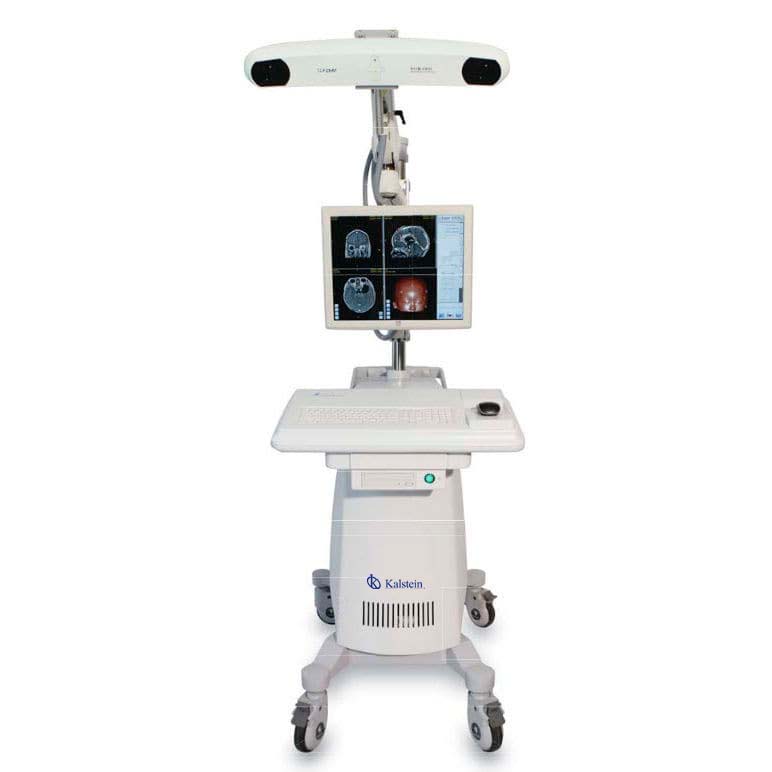
Optical Surgical Navigation: A Glimpse at Kalstein’s Excellence
As a frequent user of cutting-edge medical technology, I have often turned to Kalstein for their reliability and precision in medical devices. The Optical Surgical Navigation Systems developed by this brand are no exception. Designed to enhance the accuracy and safety of surgical procedures, these systems are at the forefront of modern medical technology.
Kalstein’s Optical Surgical Navigation Systems provide real-time imaging and virtual overlays that integrate seamlessly into complex surgical environments. The commitment to quality and innovation ensures that surgeons are equipped with tools that offer unparalleled support, transforming even the most daunting surgical tasks into streamlined procedures.
Features of the Optical Surgical Navigation Systems
The state-of-the-art features packed into these Optical Surgical Navigation Systems from Kalstein make them indispensable in the operating room. They come equipped with high-resolution imaging capabilities that allow surgeons to track instruments with pinpoint accuracy. These systems employ advanced algorithms and data processing to produce reliable, real-time updates that are crucial during intricate procedures.
The intuitive interface is another hallmark of these devices, offering an easy-to-understand user experience that minimizes the learning curve for medical professionals. Moreover, the systems include features that promote a sterile and efficient surgical environment, aligning perfectly with the demands of modern healthcare facilities.
Different Models of the Optical Surgical Navigation Systems
Kalstein understands that the needs of surgical teams can vary significantly; hence, they offer a range of models tailored to specific requirements. From compact designs optimized for smaller operating rooms to more comprehensive systems that offer extensive capabilities, there is a model that fits every setting.
These models include options with various functionalities such as enhanced 3D rendering capabilities or systems that integrate seamlessly with existing hospital infrastructure. This flexibility means that surgical teams can choose a model that meets their precise demands, maximizing both efficiency and patient outcomes.
Why Does the Optical Surgical Navigation System Have This Price?
Some might question the premium price attached to these cutting-edge navigation systems. However, the investment reflects the advanced technology and the commitment to safety and reliability that Kalstein is known for. Each component in these systems has been designed and tested rigorously to ensure it meets the highest standards of medical safety.
Additionally, the research and development behind these devices are extensive, ensuring that they are not only state-of-the-art but also future-proof. The costs also encompass the comprehensive customer support and training programs that Kalstein provides, ultimately ensuring that the investment translates into long-term value for healthcare providers.
Comparison with Similar Products from Competitors
In the competitive landscape of surgical navigation systems, Medtronic and Stryker present formidable alternatives. However, Kalstein’s offerings stand out due to their unique combination of precision, ease of use, and comprehensive support.
While Medtronic’s systems are highly advanced, they often come with a steeper learning curve, making them less accessible for quick deployment in varied surgical teams. On the other hand, Stryker offers robust technology, but their price point tends to be even higher without significantly surpassing the capabilities offered by Kalstein’s systems. Thus, Kalstein provides a balanced solution that perfectly blends innovation with practicality.
Pros and Cons of Optical Surgical Navigation
| Pros | Cons |
| High precision and accuracy | Higher initial investment |
| Real-time imaging and updates | Requires professional training |
| Seamless integration into various surgical settings | Complex maintenance needs |
| Intuitive user interface | Potential for software compatibility issues |
| Excellent customer support | Limited models available for highly specialized surgeries |
| Responsive and reliable technology | Occasional dependency on stable power supply |
| Future-proof design | |
| Assistance in reducing surgical times |
Benefits of Using These Optical Surgical Navigation Systems
Adopting these systems brings significant advantages, particularly in increasing the success rate of surgical procedures. Real-time data and imaging allow for adjustments on-the-fly, boosting surgeon confidence and enhancing patient safety. This directly contributes to improved patient outcomes and shorter recovery times.
Furthermore, by making surgeries more efficient, these systems help to minimize operating room time, which is beneficial from both a healthcare perspective and for hospital management. The systems are designed to assist across diverse surgical disciplines, from neurosurgery to orthopedics, ensuring broad applicability in any medical institution.
Additional Advantages of Optical Surgical Navigation Systems
Beyond the direct surgical benefits, these navigation systems contribute to better resource allocation within hospitals. With the reduction in surgical time and the increased accuracy, hospitals can optimize their schedules and reduce the risk of surgical complications, aligning with the goals of efficiency and reduced healthcare costs.
Moreover, the predictive algorithms embedded in these systems allow for early detection and intervention, which can be pivotal in redefining patient treatment plans and improving overall hospital performance metrics.
User Testimonials on Optical Surgical Navigation Systems
Feedback from users further cements the reliability and value of these systems. Many surgeons have reported that the real-time imaging capabilities have drastically improved their precision, especially in complex cases where millimeter accuracy is crucial.
Other users have lauded the level of support provided by the manufacturer, which includes comprehensive training and quick response times for troubleshooting. This has ensured that surgeons feel confident using the systems, even in high-pressure scenarios.
Frequently Asked Questions
What sets the Optical Surgical Navigation Systems from Kalstein apart?
The precision, user-friendly design, and exceptional support services set these systems apart from the competition.
How difficult is it to integrate these systems into existing surgical workflows?
The systems are designed for seamless integration and come with comprehensive training material to ease the transition.
Are these systems suitable for all types of surgery?
Yes, they are versatile and adaptable to a wide range of surgical specialties, making them a valuable tool in any OR setting.
What kind of support is available after purchase?
Kalstein provides extensive post-purchase support, including troubleshooting, maintenance, and updates to ensure optimal performance.
Can the systems be customized to meet specific surgical needs?
Yes, Kalstein offers various models and is open to discussing custom solutions to fit specific surgical requirements.
How does the price compare with the long-term savings?
While the initial cost may be higher, the reduction in surgical times and increased accuracy typically lead to long-term savings in healthcare costs.
Final Recommendations on These Optical Surgical Navigation Systems
For anyone in the medical field considering an upgrade to their surgical capabilities, Kalstein’s Optical Surgical Navigation Systems are a compelling choice. They strike a balance between advanced technology and usability, providing tangible benefits to both patients and healthcare providers. Investing in these systems could very well be a step toward revolutionizing surgical precision and efficiency in your practice. For more details, explore the full range of options at https://kalstein.africa/category-product/medical-line/optical-surgical-navigation/.