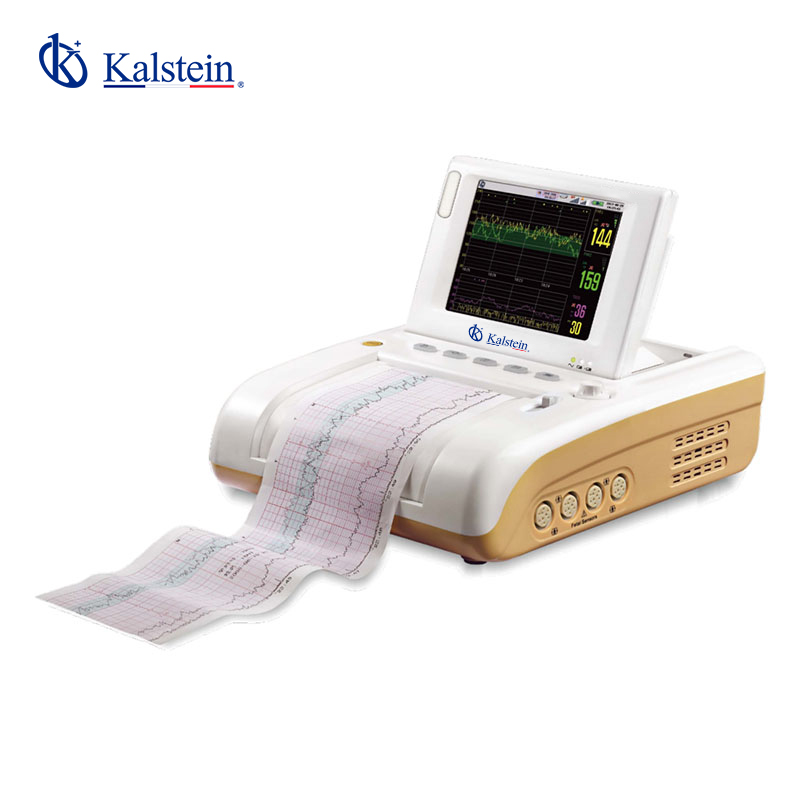
Patient And Fetal Monitor
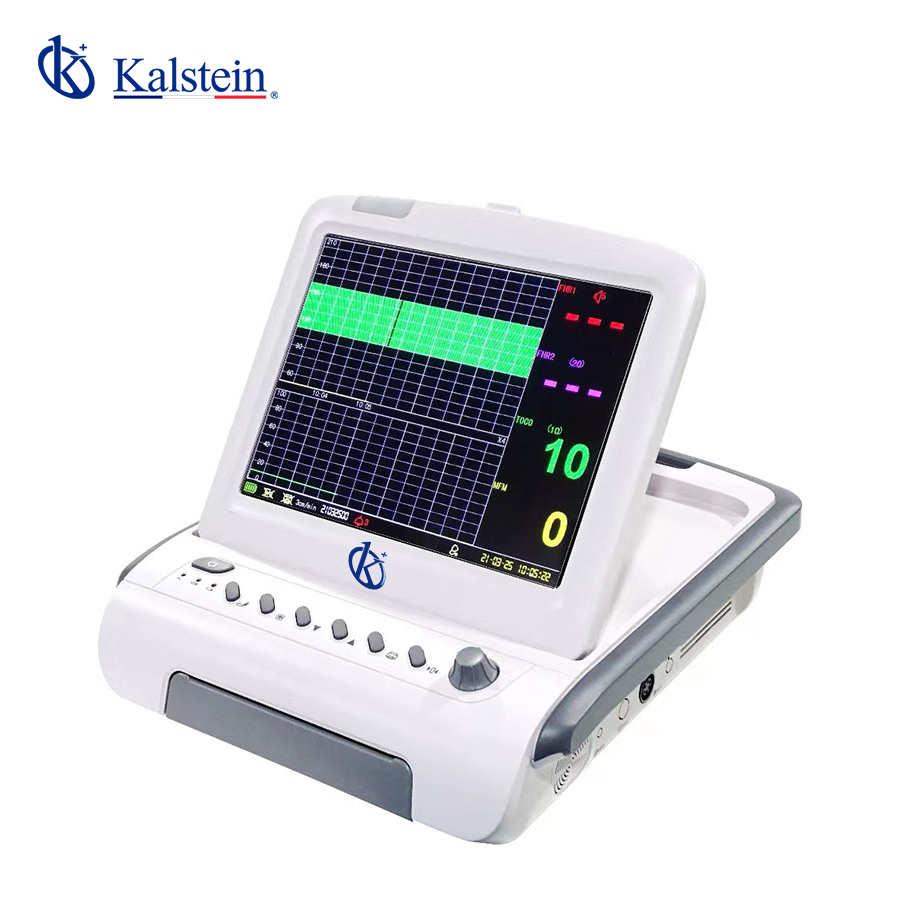
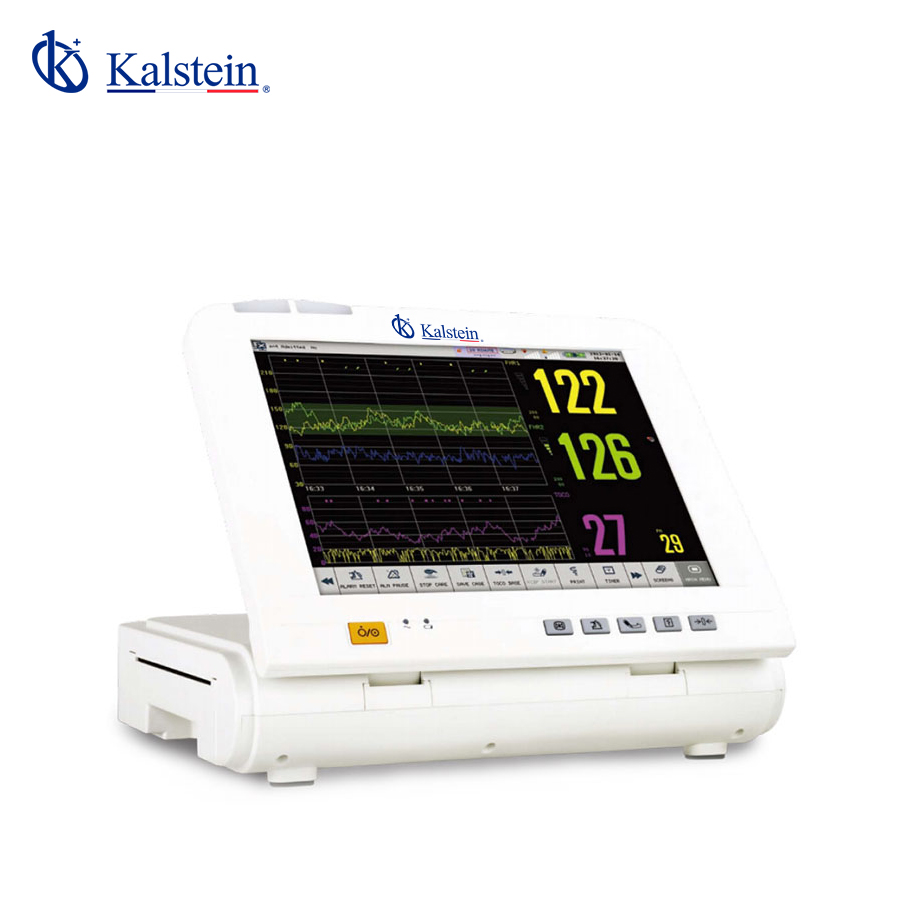
Patient and fetal monitors are essential medical devices used to continuously track the vital signs of both mother and fetus during pregnancy and labor. These devices provide real-time data on fetal heart rate, maternal contractions, oxygen saturation, and other critical parameters to ensure the well-being of both patients. Modern monitors come with digital displays, alarm systems, and data storage capabilities that aid healthcare professionals in making timely decisions.
These monitors are widely used in hospitals, clinics, and maternity centers to provide comprehensive monitoring during prenatal checkups and delivery. The ability to detect any abnormalities or distress in the fetus early on allows medical teams to intervene promptly, reducing risks and improving outcomes. Patient and fetal monitors support various modes such as external and internal monitoring tailored to clinical needs.

What You Need to Know Before Choosing a Patient and Fetal Monitor and Making an Investment
Key Factors to Consider
When considering a patient and fetal monitor, accuracy and reliability are paramount since they directly impact clinical decision-making. It is also essential to assess the device’s compatibility with hospital systems and its ease of integration into existing workflows. Features such as touchscreen interfaces, alarm systems, and clear displays improve usability and reduce operator errors.
Additional factors include the type of monitoring required — whether external fetal heart rate monitoring or internal pressure monitoring — and the presence of wireless connectivity for real-time data transmission. Durability and compliance with regulatory standards must also be verified to ensure safe and long-term use in clinical environments.

Market Price Range
Prices for patient and fetal monitors can vary widely depending on brand, model, and included features. Basic units typically start at a moderate price but may lack advanced measurement options, while premium monitors with multi-parameter tracking and advanced connectivity can reach significantly higher costs. It is advised to compare devices carefully before purchasing.
In the market, entry-level fetal monitors designed for standard tracking can be acquired at affordable rates, ideal for clinics with budget constraints. More sophisticated monitors that combine maternal vital signs and fetal data along with data management software generally fall in a mid to high price range, reflecting their enhanced capabilities and support services.

Quality-Price Ratio
The quality-price relationship for patient and fetal monitors requires balancing essential clinical functions with budget limitations. Selecting devices that offer excellent performance in key areas such as signal accuracy, patient safety alerts, and ease of maintenance at a reasonable price yields the best value.
Kalstein products are known for their robust build quality and technological innovation, which contribute to a longer operational lifespan when used and maintained correctly. Regular calibration and preventative maintenance extend device reliability, cushioned by Kalstein’s customer support and warranty service.

Expected Lifespan According to Use and Maintenance
The expected lifespan of a patient and fetal monitor varies based on usage intensity and quality of care during operation. Devices operated continuously in demanding clinical settings require more frequent servicing. Proper cleaning, software updates, and adherence to manufacturer guidelines support longevity and optimal performance.
Ensuring patient and fetal monitors undergo routine maintenance and timely repairs significantly enhances their functional lifespan, reducing unexpected failures during critical monitoring tasks. Training clinical staff on correct usage and troubleshooting further preserves the equipment’s health and reliability.

KALSTEIN PATIENT AND FETAL MONITOR
Among so many products, at Kalstein you can find the ideal patient and fetal monitor for your Clinic
If you don’t know which patient and fetal monitor to buy, consider factors like accuracy, ease of use, connectivity options, and compatibility with existing clinical systems. Selecting a monitor that offers reliable fetal heart rate tracking and maternal vital sign measurement can significantly enhance patient care during prenatal and labor stages. Kalstein monitors stand out for their advanced technology and user-friendly interfaces.

Doppler Fetal Monitor YR02180
The Doppler Fetal Monitor YR02180 is a highly versatile and advanced patient monitoring device, ideal for use in operati…

Fetal Monitor YR02190C
The Fetal Monitor YR02190C is engineered for excellence in prenatal care, featuring a vibrant 12.1-inch color TFT touch…

Patient Monitors YR02176
The Patient Monitor YR02176 is an advanced and versatile monitoring device designed to meet the demands of critical heal…

Multi-parameter Patient Monitor YR02177
The Multi-parameter Patient Monitor YR02177 is an advanced medical device designed to offer comprehensive monitoring in…
Our patient and fetal monitor best seller
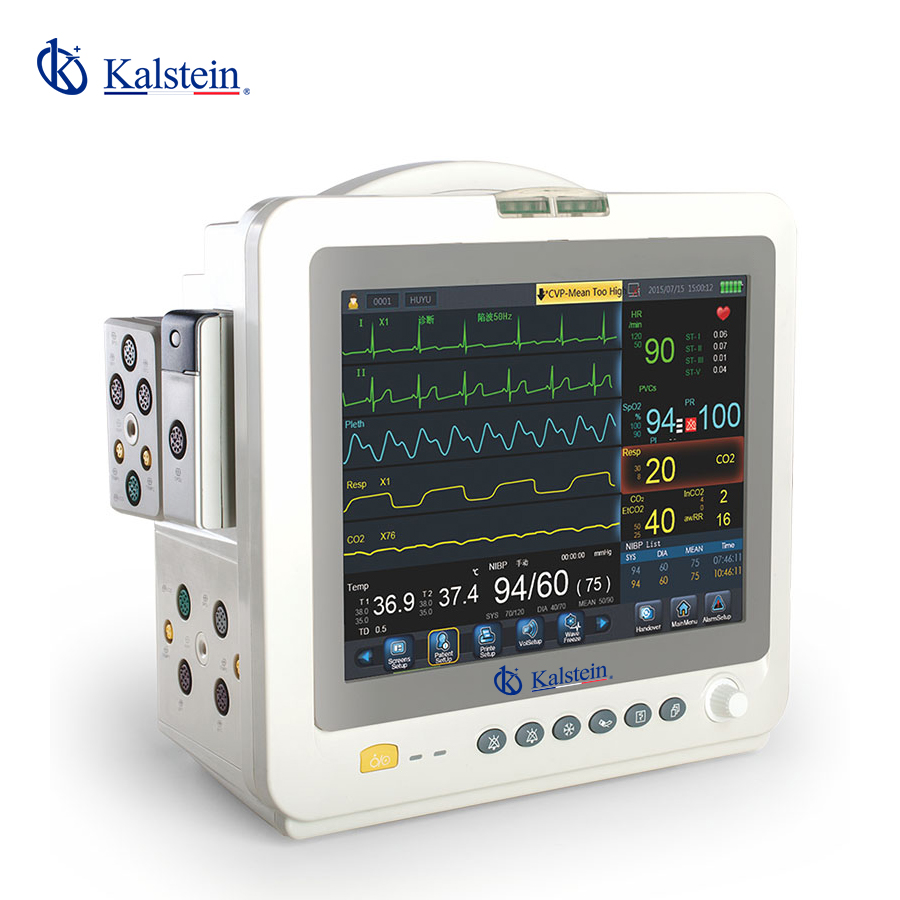
The Doppler Fetal Monitor YR02180 is a highly versatile and advanced patient monitoring device, ideal for use in operating theatres (OT) and intensive care units (ICU). With a 17-inch LCD screen and semi-modular parameters, this monitor provides comprehensive monitoring with six standard parameters, including ECG, SpO2, TEMP, NIBP, RESP, and PR/HR. This device offers optional features like a touch screen, extended ECG leads, and various mounting solutions, making it adaptable for different clinical settings and requirements.
The price range for the Doppler Fetal Monitor YR02180 in the market generally falls between $3,500 and $4,200, depending on the specific configuration and optional features selected. This competitive pricing reflects the device’s advanced capabilities and robust design, making it a smart investment for healthcare facilities looking to enhance their patient care services.
| Model | YR02180 | |
|
ECG
|
Lead mode | 5 Leads(RA,LA,LL,RL,V) |
| Connection method | I, II, III,AVR,AVL,AVF,V | |
| Lead Mode | 3 Leads (RA,LA,LL) | |
| Connection method | I, II,III | |
| Gain | x250, x500, x1000, x2000 | |
| Accuracy | ±5% | |
| Resolution | 1bpm | |
| Sensitivity | >200(uVp-p) | |
| Differential input impedance | ≥5MΩ | |
| ST segment Monitoring Range | ||
| Measure Range | -1.0~+1.0mV | |
| Measure Accuracy | -0.8mV~+0.8mV | |
|
Heart Rate
|
Measuring range | 40~240bpm |
| Accuracy | ±3bpm | |
| Resolution | 1bpm | |
| Sensitivity | >200UVp-p | |
|
Respiration
|
Method | Impedance between R-F(RA-LL) |
| Measuring Impedance Range | 0.3~3.0 MΩ | |
| Bandwidth | 0.1~2.5Hz | |
| Respiration Rate | Adult: 7~120BrPM | |
| Neo/Ped | 7~150BrPM | |
| Resolution | 1 BrPM | |
| Accuracy | ±2 BrPM | |
|
NIBP
|
Method | Oscillometric |
| Measuring Interval in AUTO Mode | 1,2,3,4,5,10,15,30,60,90,120,180,240(Min) | |
| Measuring Period in STAT Mode | 5 Min | |
| Pulse Rate Range | 40~240bpm / 40~150bpm | |
| Alarm Type | SYS, DIA, MEAN | |
| Resolution | ||
| Pressure | 1mmHg | |
|
SPO2
|
Display | Number of SPO2,waveform of capacity,Pulse |
| Measuring range | 0~100% | |
| Resolution | 1% | |
| Accuracy | 70~99% (±2%) | |
| Pulse rate range | 0~300bpm | |
|
TEMP
|
Channel | 2 |
| Measuring and Alarm Range | 0~50ºC | |
| Resolution | 0.1ºC | |
| Accuracy | 0.1ºC | |
| Actualization interval | about 1 Second. | |
| Average Time Constant | <10 Second. | |

Comprehensive monitoring improves maternal and fetal care outcomes

Patient Monitor, How To Read On A Vital Signs Monitor?
This medical equipment, needed in clinics and hospitals, is used to monitor and control the vital signs of the patient connected to the apparatus and which requ…
Ways to use a patient monitor
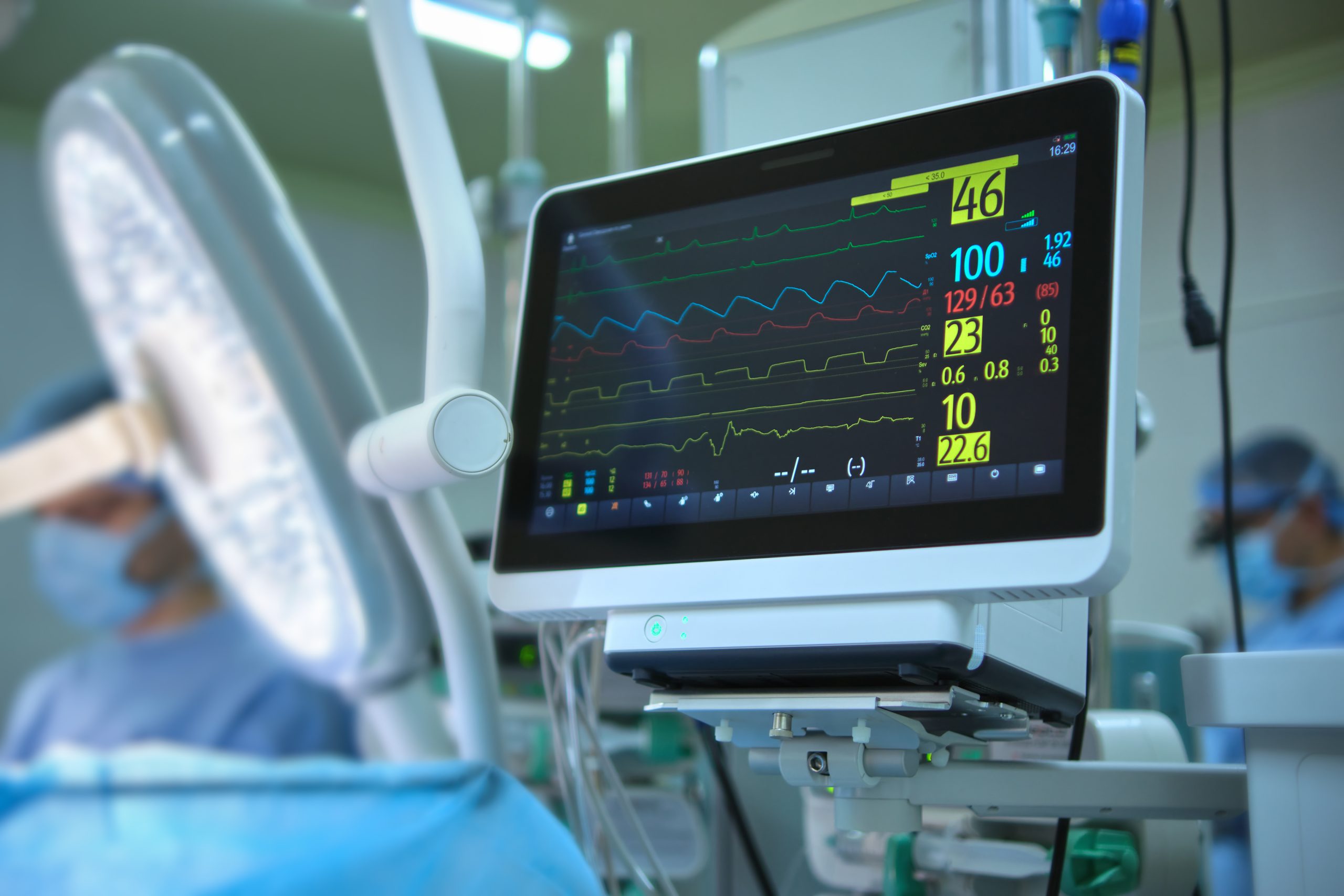
A patient monitor is an electronic device used in hospitals and clinics to monitor vital signs of patients who are in critical condition or who must undergo con…

How does an ultrasound scanner work?
An ultrasound scanner is a medical device that provides images of most soft tissues through the use of ultrasonic waves. This important device provides diagnost…
Análisis D
Lorem ipsum dolor sit amet, consectetur adipiscing elit. Suspendisse sed lectus ac felis fermentum convallis. Cras scelerisque aliquam ipsum vel aliquet. Sed rhoncus eu sapien vitae tincidunt…
Kalstein updates ensure the latest technology in monitoring systems
Guides on selecting monitors to optimize patient safety and clinical efficiency
Our detailed guides and expert recommendations help you work like a professional, ensuring the best patient care with accurate monitoring and timely interventions using Kalstein equipment
Guía #1
Lorem ipsum dolor sit amet, consectetur adipiscing elit. Suspendisse sed lectus ac felis fermentum convallis. Cras scelerisque aliquam ipsum vel aliquet…
Guía #2
Lorem ipsum dolor sit amet, consectetur adipiscing elit. Suspendisse sed lectus ac felis fermentum convallis. Cras scelerisque aliquam ipsum vel aliquet…
Guía #3
Lorem ipsum dolor sit amet, consectetur adipiscing elit. Suspendisse sed lectus ac felis fermentum convallis. Cras scelerisque aliquam ipsum vel aliquet…

Guía Principal
Lorem ipsum dolor sit amet, consectetur adipiscing elit. Suspendisse sed lectus ac felis fermentum convallis. Cras scelerisque aliquam ipsum vel aliquet. Sed rhoncus eu sapien vitae tincidunt. Vestibulum at molestie lorem. Donec accumsan placerat nisl, ac elementum dolor. Cras leo neque, cursus et sapien molestie, dignissim suscipit metus…

FAQs
The delivery time for your Kalstein product will depend on the following:
- Whether the equipment you are interested in is in stock or if it needs to be manufactured.
- The type of freight chosen, which can be air or sea.
- Equipment in stock:
– Delivery Time (Air): 15-30 days.
– Delivery Time (Sea): 45-60 days.
- Equipment not in stock:
– Delivery Time (Air): 30-60 days.
– Delivery Time (Sea): 60-90 days.
You can make your purchase through:
- By email: [email protected]
- By phone: +33 (0) 1 70 39 26 50
- E-commerce: Through Kalstein’s official website in your country.
At Kalstein, we provide our clients with inductions and technical support through new online methods. You can visit our induction videos, technical assistance, and guidance provided by the Kalstein team through our YouTube channel (Kalstein English). HERE.